
Vandaag of morgen in huis

Kwaliteit gegarandeerd

Welkomstaanbiedingen ontgrendelen: GRATIS bezorging | Tot 80% korting | Gratis 30 dagen JoyPlus-proefperiode
Download de app
The Asian noodle aisle can be overwhelming. From paper-thin vermicelli to thick, curly strands, the selection is vast. But the wrong noodle can completely ruin your carefully prepared dish. As a Product Recommendation Officer at Joybuy, I often see where things go wrong. Before you buy another package of noodles that languishes in your pantry, let's review the most common pitfalls and the key factors to consider.
Many home cooks fall into the same traps, often due to unclear packaging or marketing hype. These are the most common missteps:
To avoid these pitfalls, you only need to pay attention to a few key points. These specifications determine the texture, flavour, and suitability for your dish.
The main ingredient is the most important factor. It determines not only the taste and texture but also whether the noodle fits within specific dietary requirements.
The thickness of the noodle is not a matter of personal preference, but of functionality.
Based on these objective criteria, we have selected a number of products that suit different home cooks.
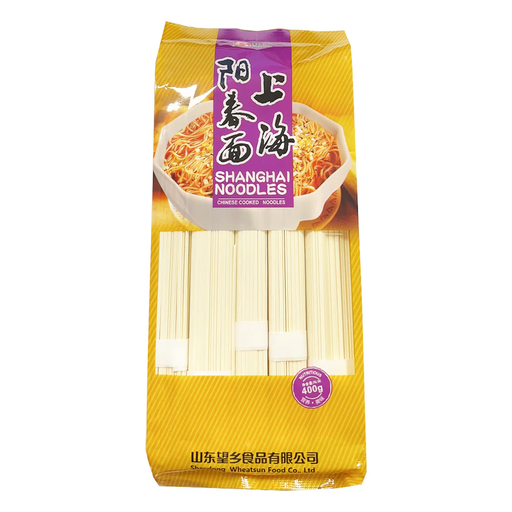
Why This Fits Their Persona: For those looking for the foundation of a classic Chinese noodle soup or a simple stir-fry. These noodles offer the authentic, smooth texture you expect, without unnecessary additives.
Avoids the pitfall of hidden ingredients. The list is short and clear: wheat flour, water, and salt. You get exactly what you expect from a traditional Chinese noodle.
Versatile in use with a quick cooking time of 3-5 minutes. Ideal for a fast, nutritious meal.
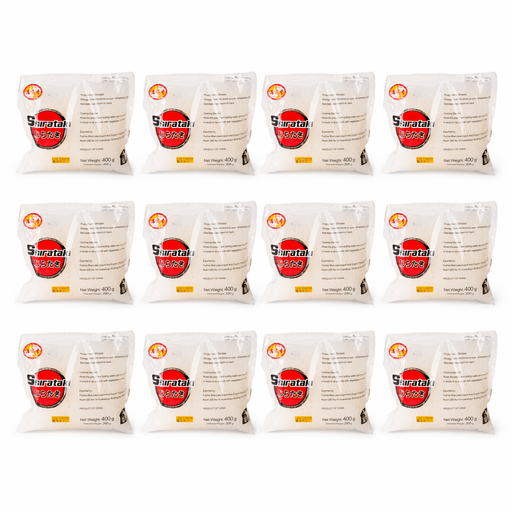
Why This Fits Their Persona: Perfect for anyone following a low-carb, keto, or calorie-restricted diet. These noodles offer the ability to enjoy a noodle dish without the carbs and calories.
This product bypasses dietary confusion. These are genuine low-carb konjac noodles with only 7 kcal and 1.7g of carbs per 100g. No vague claims, just clear facts.
Naturally gluten-free and vegan. Ready to use after rinsing, making them extremely quick to prepare.
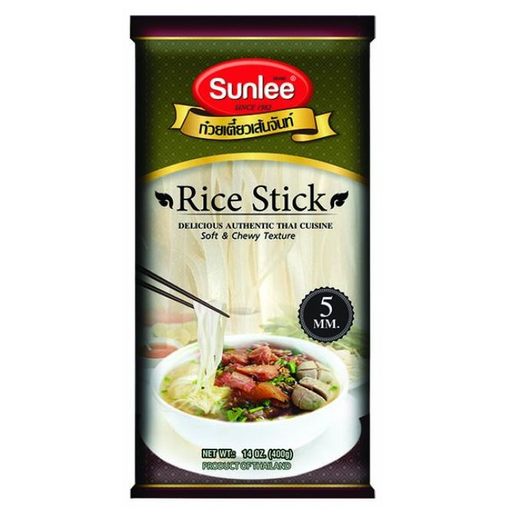
Why This Fits Their Persona: Specifically for those seeking the right noodle for Thai and Vietnamese classics. The 5mm width is the gold standard for a hearty bowl of Pho or a perfect Pad Thai.
Prevents the texture mismatch. These noodles are made from 90% rice and 10% water, which provides an authentic, resilient bite that won't turn mushy in broth or sauce.
Naturally gluten-free and free from major allergens. The noodles absorb flavours exceptionally well.
We have compiled a complete, up-to-date list of products that fully meet these strict selection criteria and local regulations.
Vermicelli is a specific, very thin type of rice noodle. The term ‘rice noodles’ is an umbrella term for noodles made from rice flour and includes a much broader range of thicknesses and shapes, such as the flat, wide noodles used for Pad Thai. All vermicelli is a type of rice noodle, but not all rice noodles are vermicelli.
A common problem with a simple solution. Always cook the noodles in a large amount of boiling water. Stir them gently right after adding them to the water. Most importantly, rinse the noodles with cold water immediately after draining, especially if you plan to stir-fry them. This stops the cooking process and washes away excess starch. Mixing in a dash of (sesame) oil also helps.
They are a functional substitute for those looking to avoid carbs and calories. However, it's important to manage your expectations. The texture is not comparable to wheat or rice noodles; they are more gelatinous and have a slight ‘bite’. They have very little flavour on their own, which can be an advantage as they perfectly absorb the taste of your sauce or broth. Always rinse them well under cold running water before use to remove the odour from the packaging liquid.
