
Vandaag of morgen in huis

Kwaliteit gegarandeerd

Welkomstaanbiedingen ontgrendelen: GRATIS bezorging | Tot 80% korting | Gratis 30 dagen JoyPlus-proefperiode
Download de app
Asian noodles vary greatly in texture, cooking time, ingredients and use. A noodle that works well in a clear soup can quickly become too soft in a stir-fry. What’s more, portion sizes and seasoning packets aren’t always suited to British eating habits.
This practical buying guide will show you what to look for when choosing Chinese noodles, Korean noodles, instant noodles, rice noodles and glass noodles. Afterwards, you’ll find several products that suit different cooking profiles.
Words like “spicy”, “authentic” or “rich in flavour” don’t tell you exactly how a product tastes. So check the ingredients and the individual sachets. A product with chilli oil, vinegar, fermented vegetables and sesame paste has a very different flavour profile to a simple noodle with stock powder.
What’s more, with some products you can use the seasoning sachets partially. That’s handy when you want to eat less spicy or less salty food.
Not every noodle is suitable for stir-frying directly in a pan. Dried noodles often need to be soaked or boiled first. Rice noodles can break if they’re cooked for too long, whereas sweet potato glass noodles keep a firm, elastic texture.
Also pay attention to the difference between instant noodles and dry basic noodles. Instant products often already contain soup, oil or toppings. With ordinary dried noodles, you create the flavour yourself.
A packet of 115 or 240 grams is quite different from a bulk pack of 1.8 or 4 kilograms. Check whether the weight refers to the dry product, the sauce or all the ingredients together. With Luosifen rice noodles, a significant part of the weight consists of stock and toppings.
Also check the storage instructions. Store opened dried noodles in an airtight container in a dry place. Use seasoning sachets and opened meal packs according to the instructions on the label.
Wheat noodles such as Lanzhou noodles, Wuhan noodles and udon noodles typically contain wheat and gluten. Check the label if you want to avoid gluten. Glass noodles are not automatically gluten-free: according to the product information, Jing Xian Fang Glass Noodles consist of 97% wheat starch and therefore contain wheat.
According to the product description, Wang Korean-Style Vermicelli consists of 99.9% sweet potato starch. The product information lists these noodles as gluten-free, but if you have an allergy, always check the current packaging and allergen declaration.
With composite meals, also look out for soya, sesame, peanuts, shellfish and sulphites. Spicy noodles with stock and toppings in particular can contain multiple allergens.
Choose the texture based on the dish:
The cooking instructions are more important than just the cooking time on the front. A’Kuan Red Oil Broad Noodle, for example, requires 5 to 6 minutes of soaking in boiling water. Wang Vermicelli requires about 20 minutes of soaking first, then 6 to 7 minutes of boiling.
With instant products, preparation is often quicker, but the meal usually contains more flavour components and sachets. According to the product information, Jin Mai Lang Lanzhou Style Noodles are ready in about 3 minutes. Luosifen products generally take more time, because you cook the rice noodles separately and then add the stock and toppings.
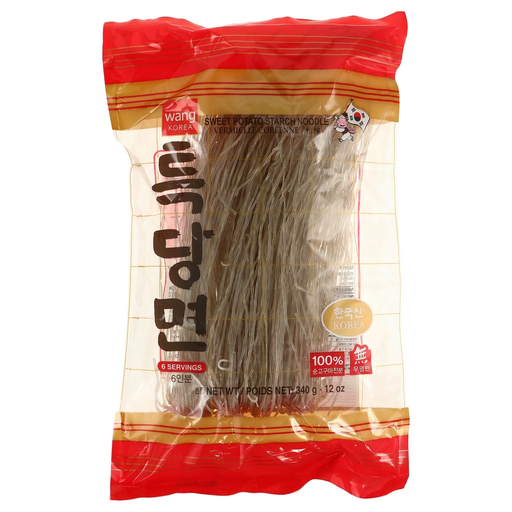
Why this suits the profile: The neutral flavour makes these glass noodles suitable for japchae, soup, salad and stir-fries. You buy one basic product for multiple recipes.
The product information clearly states the ingredients: 99.9% sweet potato starch and water. So you know exactly what texture and base you’re buying.
340 grams, suitable for multiple cooking methods and, according to the product description, gluten-free.
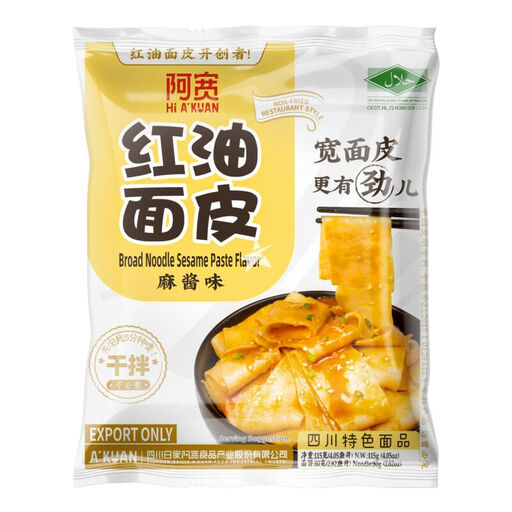
Why this suits the profile: A compact meal with broad wheat noodles, sesame paste, red chilli oil, vinegar and dried vegetables. Ideal for anyone looking for a pronounced Sichuan-style flavour.
The three flavour sachets are listed separately. So you can adjust the amount of chilli oil and vinegar to your preference.
Non-fried noodle according to the product information, preparation in 5 to 6 minutes and 115 grams per pack.
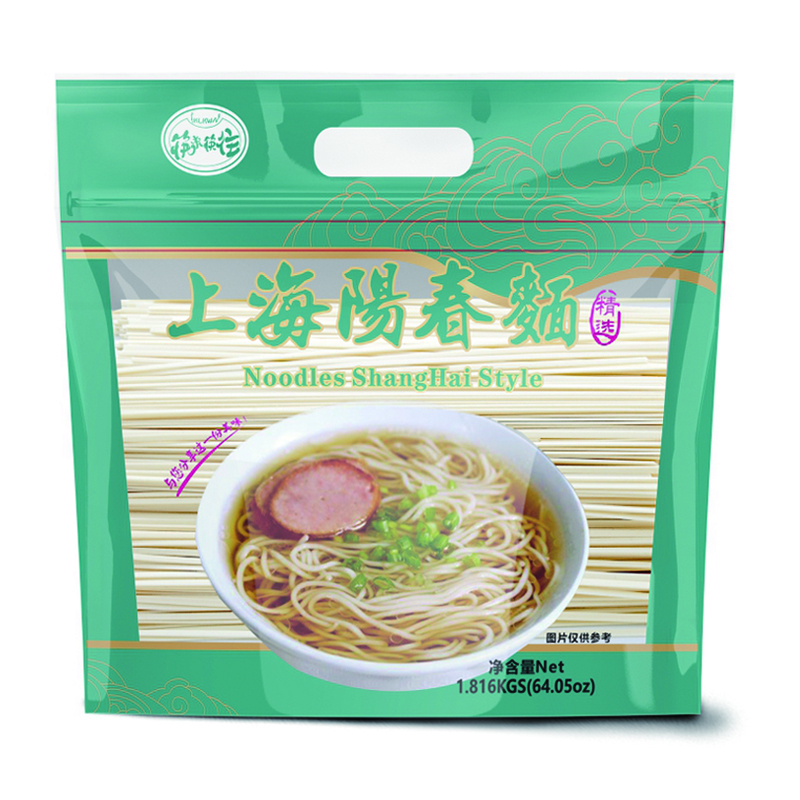
Why this suits the profile: The large pack is practical for households that regularly prepare Chinese noodles, soup, hotpot or stir-fries.
The weight and cooking method are clearly stated. You can weigh out the desired amount per meal instead of buying multiple small portions.
1.816 kilograms of dry noodles, approximately 5 minutes cooking time and suitable for soup, stir-fry, cold noodles and hotpot.
Hao Huan Luo Luosifen Rice Noodles, 270 grams, combines rice noodles with chilli oil, coriander, sour bamboo shoots, peanuts and fermented tofu. The product information advises 8 to 12 minutes of cooking and approximately 500 millilitres of water for the stock.
For stocking up or sharing with several people, there is also the HAOHUANLUO Luosifen River Snails Rice Noodles Gift Box, with six sachets of 375 grams. This extra spicy variant contains bamboo shoots, peanuts, yuba and snail flavourings, among other things. Pay attention to the listed allergens, which include molluscs, soya, wheat and peanuts.
With products that contain many loose toppings, it’s wise to check the packaging thoroughly before you order. The flavour and portion size are determined not only by the noodles, but also by the stock, oil and pickled ingredients.
We’ve put together a full, up-to-date list of products that fully meet these strict selection criteria and comply with current European safety regulations.
Udon noodles, glass noodles and firm wheat noodles are practical choices. Cook or soak them first according to the packet instructions and rinse them briefly if needed. Add them to the pan at the very end, so they’re less likely to become too soft.
Follow the best-before date on the packaging and store the product in a cool, dry place away from direct sunlight. Once opened, an airtight container is important to prevent moisture absorption. Cooked noodles and opened instant meals should be consumed immediately according to the product instructions.
No. Rice noodles are usually made from rice and water. Glass noodles can be made from sweet potato starch, wheat starch, mung bean starch or other starches, among other ingredients. So always check the ingredients list and choose the texture that suits your recipe.
