
当日/次日达

品质保障

开启新人专享福利: 全场免邮 | 低至 2 折 | 免费试用 30 天 JoyPlus 会员
下载 Joybuy
Asian noodles come in many forms: from Chinese noodles and hand-pulled noodles to Japanese udon, ramen noodles and laksa noodles. The difference isn’t just in the name. The width, cooking time, texture, shelf life and packaging all determine whether a product is right for your dish.
If you rely solely on a picture or the word “traditional”, you could end up with awkward packaging, the wrong preparation method, or a meal that’s far too salty. With these practical checkpoints, you can compare Asian noodles based on verifiable product information.
Words like “hand-pulled”, “hand-rolled” or “authentic” don’t automatically refer to a specific production method. Always check the ingredients, shape and cooking instructions. Some dried noodles are made to mimic the texture of hand-rolled noodles, while others are sold fresh or frozen.
Fresh udon and other chilled noodles often need only a short cooking time. Dried noodles usually require longer boiling and, when unopened, have a longer shelf life. Instant noodles are convenient, but they may come with seasoning or sauce sachets that are relatively high in salt. So look at the nutritional information and cooking instructions rather than just the portion size on the front.
A 1.8 kg pack suits a family, caterer or restaurant, but it’s less practical if you only eat noodles occasionally. Once opened, dried products need to be stored tightly sealed, in a cool, dry place. For fresh products, the best-before date and storage conditions are especially important. Compare the price per 100 grams and think about how many portions you’ll actually use.
The shape determines how a noodle behaves in a dish:
Always check whether the noodles need to be boiled, soaked or reheated, or can be used straight away. Bai Xiang Knife-shaved noodles, for example, require 5 to 7 minutes of boiling. According to the product information, Sunlee Yellow Chinese Noodles have a shorter cooking time of 2 to 4 minutes and can then be used in a stir-fry.
For a quick meal, instant noodles are practical. Nature’s Best Harvest Udon Instant Noodles come in 200 g portions and, according to the product description, take about 5 minutes to prepare. JINBAIWEI Udon Noodles can be heated in the microwave according to the instructions. Never eat raw flour or dough products and always follow the instructions on the packaging.
Many wheat noodles contain gluten. If you have allergies, also watch out for soy sauce, sesame, peanut, egg, fish and shellfish. Prima Taste Laksa La Mian, for example, lists wheat and shellfish as allergens. According to the product information, NongShim Big Bowl Tempura Udon Soup contains wheat and fish.
Also compare the salt content per 100 grams. With instant noodles, check whether the nutritional values apply to the dry product, the prepared meal or just the noodles. The current packaging is definitive, as ingredients, allergen information and nutritional values can change.
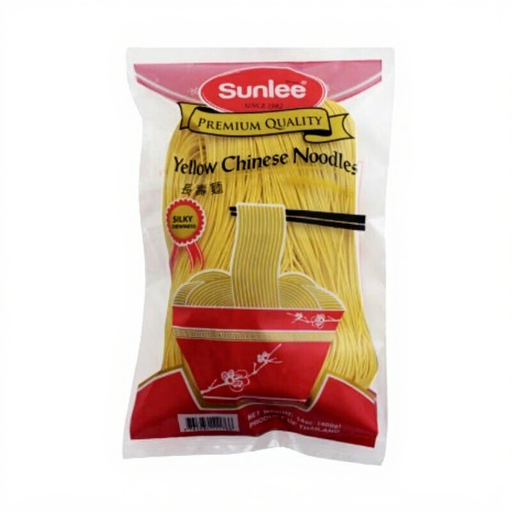
Why this fits the profile: These Chinese noodles are a versatile base for stir-fry dishes and soup, with a manageable 400 g pack.
The product information states a specific cooking time of 2 to 4 minutes, so you can easily plan your preparation.
Wheat base with water, salt and turmeric; suitable for boiling and stir-frying.
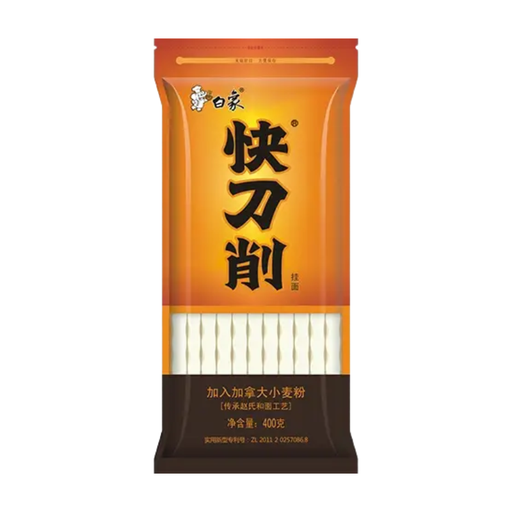
Why this fits the profile: The wide, cut shape is interesting for anyone who values texture and sauce absorption in Chinese noodles.
The product description mentions a width of 8 mm and a cooking time of 5 to 7 minutes; the choice is therefore based on specifications rather than just marketing language.
Wheat flour with konjac flour; usable in soup or with sauce.
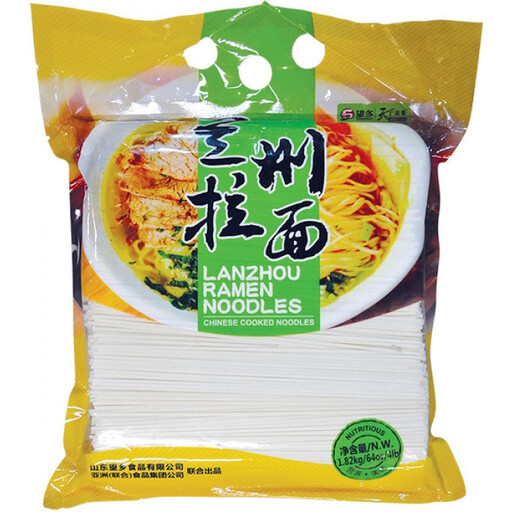
Why this fits the profile: The bulk pack is intended for households, catering or food service that regularly need noodles for soup, stir-fry or hotpot.
The quantity is clearly stated as 1.82 kg and the ingredients are limited to wheat flour, water and salt.
Dried product; suitable for stocking up and serving with broth or toppings.
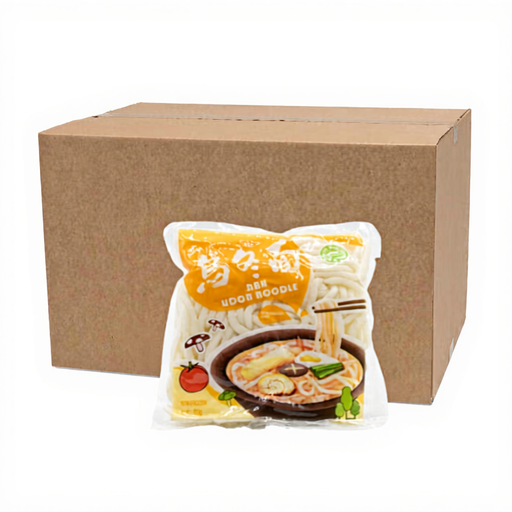
Why this fits the profile: Individual 200 g portions and a preparation time of around 5 minutes suit busy households and high-volume use.
The portion size and preparation method are clearly stated. Do check the current packaging and storage instructions yourself.
30 individual portions; suitable for boiling, stir-frying, mixing and hotpot.
We’ve put together a full, up-to-date list of products that fully meet these strict selection criteria and comply with current European safety regulations.
Chinese noodles, stir-fry noodles and udon are practical choices. Pay attention to the cooking time: boil dried noodles first, rinse them if indicated, and then add them briefly to a hot wok. This prevents them from becoming too soft.
Fresh udon is usually soft and quick to prepare, but requires more attention to shelf life and storage. Dried noodles keep for longer and are handy for stocking up. The texture varies by product, so check the ingredients and cooking instructions.
Store dried noodles in a cool, dry place away from direct sunlight. Seal the packaging well after opening or use an airtight storage container. With fresh udon, always check the packaging, date and recommended storage temperature.
