
Vandaag of morgen in huis

Kwaliteit gegarandeerd

Welkomstaanbiedingen ontgrendelen: GRATIS bezorging | Tot 80% korting | Gratis 30 dagen JoyPlus-proefperiode
Download de app
Asian noodles come in many varieties: from thick udon noodles to fine rice vermicelli and ready-to-eat instant noodles. The difference isn’t just about shape. Ingredients, cooking time, texture, allergens and packaging all determine whether a product is right for your dish.
If you rely solely on an attractive photo or a promise of “authentic flavour”, you could end up making the wrong purchase. So pay particular attention to the following pitfalls.
Not every noodle can go straight into the wok. Some dried Chinese noodles need to be boiled first, while other varieties only require a few minutes of soaking in hot water. Fresh udon noodles often need a quick heat, and instant products come with several sachets of sauce, oil and toppings.
Always check whether the packaging says: boil, soak, pour hot water over or simply reheat. This way you’ll avoid sticky, hard or overly soft noodles.
Instant noodles and ready-made sauces are convenient, but their nutritional values vary widely. For example, the product information for YuanXian Chengdu Cold Noodles states 5.5 grams of salt per 100 grams. Luobawang Luosi Noodles lists 1.3 grams of salt per 100 grams. So always use the ingredients list and nutrition table, especially if you’re ordering multiple portions.
Also watch out for allergens. Many wheat noodles contain gluten, while sauce sachets often include soya, sesame, peanuts or shellfish. “Rice noodle” doesn’t automatically mean the whole product is free from all allergens.
Thick, smooth noodles absorb sauces differently to fine vermicelli. Wide noodles suit hearty broths and rich stir-fry sauces, whereas thin rice vermicelli works well in salads, spring rolls, soups and light stir-fries.
So choose your dish first, then the type of noodle. That’s more practical than simply searching by country of origin.
For a quick meal, fresh or pre-cooked noodles are handy. According to the usage instructions, JINBAIWEI Udon Noodles can be heated in the microwave. Soubry Chinese Noodles and Soubry Chinese Egg Noodles are ready in about four minutes without lengthy boiling, according to the product description.
For stir-fries, it’s important that the noodle stays firm enough after cooking. Don’t boil dried noodles for longer than the packaging states, and rinse some varieties briefly before they go into the wok.
A pack of 200 to 250 grams is handy for a meal with vegetables, tofu, egg, meat or fish. A multi-pack or box of pots can be more economical if you eat instant noodles regularly, but check the total amount per portion.
Store dry noodles in a cool, dry place. Fresh products should be stored according to the label and usually used immediately after opening. Check the best-before date on all products.
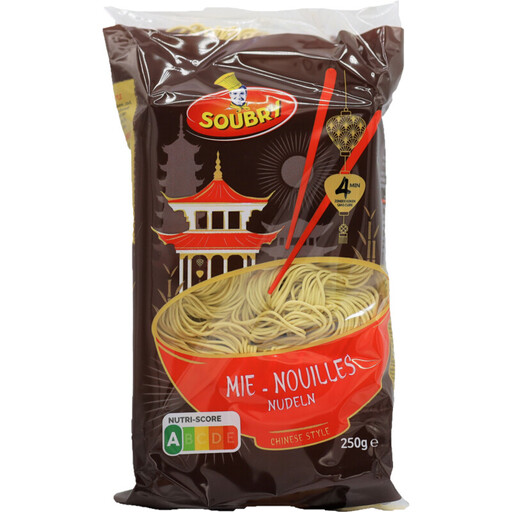
Why this fits the profile: A simple base for stir-fries with vegetables, tofu or meat. The product information states a cooking time of around four minutes.
The preparation method is clearly described and there are no separate flavour sachets that make salt intake harder to track.
250 grams per pack; wheat-based; suitable for Thai, Indonesian and Chinese stir-fries.
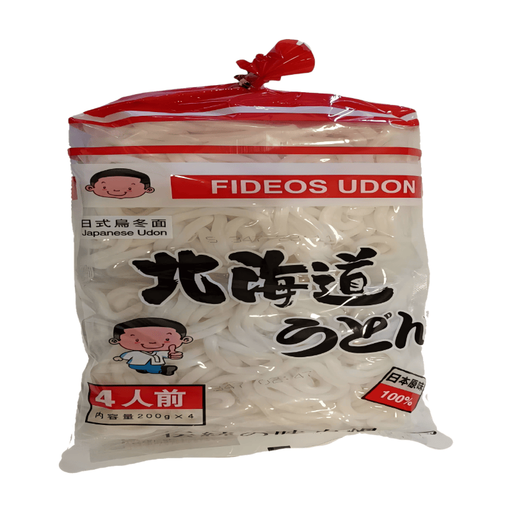
Why this fits the profile: The thick, smooth texture suits Japanese soups, hotpot and stir-fry noodle dishes.
The pack contains four 200-gram portions, so you don’t have to open a large quantity each time.
800 grams total; 3–5 minutes to cook; contains wheat and gluten; suitable for soup, stir-fry and hotpot.
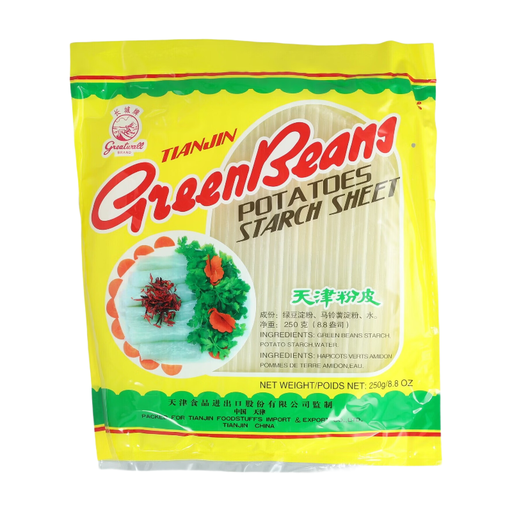
Why this fits the profile: A pantry-friendly choice for hotpot, stir-fries and cold noodle salads.
The instructions state to soak first, then boil for 2–3 minutes. That helps prevent overcooking and sticking.
Made from mung bean starch and water; according to the product information, no allergens listed; 250 grams per pack.
We’ve put together a full, up-to-date list of products that fully meet these strict selection criteria and comply with current European safety regulations.
Chinese noodles, stir-fry noodles, yakisoba noodles and udon noodles are practical choices. Look at the cooking time and choose a variety that stays firm after cooking. According to the product information, Hakubaku Yakisoba Noodle is intended for stir-frying with vegetables, meat or seafood.
Rice vermicelli is made from rice and water and usually stays light and white. Glass noodles are made from starch, for example mung bean or potato starch, and turn transparent during cooking. Always check the ingredients when allergens are a concern.
Dry Asian noodles generally have a long shelf life as long as the packaging remains sealed and stored in a dry place. The exact date is on the packaging. After opening, an airtight storage container is handy to avoid moisture and odours. Store instant noodles with sauce sachets in a cool, dry place too, but use them before the stated date.
