
Livraison le jour même et le lendemain

Qualité garantie

Débloquez vos offres de bienvenue: Livraison GRATUITE | Jusqu'à -80 % | 30 jours d'essai gratuits à JoyPlus
Téléchargez l'application
Asian noodles come in many forms: from quick instant noodles and ramen noodles to rice noodles, udon noodles and buckwheat noodles. The packaging can make a big difference in price, preparation time and flavour. Yet it’s not always clear which noodles suit a noodle soup, stir-fry or cold salad.
When buying, watch out for three common pitfalls:
The base ingredient largely determines the texture.
Wheat noodles are usually springy and firm. They are widely used for ramen noodles, Chinese noodles and stir-fry noodles. Alkaline noodles, for example, contain wheat flour, salt and an alkaline ingredient such as sodium carbonate. According to the product description, this can contribute to a resilient texture.
The Toyoung Qingtian Alkaline Noodles Thick Strips 1KG are thick Chinese noodles for stir-fries, soups and cold preparations. The pack contains 1 kg and the ingredients list includes wheat flour, salt and edible alkali. This makes them a good choice when you want to prepare several portions and make your own sauce or broth.
Rice noodles are made from rice or rice flour and often have a softer, smoother bite. They work well in stir-fries, noodle soup and dishes where the sauce takes centre stage.
Luobawang Luosi Noodles contain one portion of rice noodles and eight separate ingredient packets. According to the product description, the set includes a soup base, vegetables, chilli oil, sour bamboo shoots, vinegar, dried tofu and peanuts. Preparation takes about five minutes, but always check the current instructions on the packaging. With this product, pay extra attention to the allergens: wheat, soya, peanuts and molluscs are listed.
Japanese noodles range from thick udon to thin soba. Udon noodles are thick and soft to firm in texture and work well in broth or a stir-fry. Soba noodles, also known as buckwheat noodles, are typically thinner.
Hakubaku Cha Soba Noodles weigh 200 grams and, according to the product information, contain mainly wheat flour, with green tea and a small amount of buckwheat flour. The nutritional information states 0.007 grams of salt per 100 grams. Because the product contains wheat, it is not suitable for those who need to avoid wheat.
Don’t just look at the front of the packaging. Check the full ingredients list and the highlighted allergens. With instant noodles, there may be several sachets containing separate ingredients, such as oil, sauce, herbs and vegetables.
Common allergens in this category include:
Recipes and allergen information can change. So always use the packaging as your primary source, especially if you have an allergy or intolerance.
An instant product isn’t always just a case of adding hot water. Some varieties need to be boiled for three to six minutes. Other products need to be soaked and then drained.
Bear in mind:
For NongShim Shin Ramyun Toomba, the product information states a preparation using 550 ml of water and around four to five minutes of boiling. The pack contains 20 individual portions. The same product information lists wheat, soya, nuts, almond, oat and mustard as allergens or possible allergens. That’s relevant if you’re buying a stock for students, a family or an office.
Compare the net weight with the number of portions. A single pack of 200 or 280 grams is handy for trying a flavour. For regular cooking, packs of 500 grams, 900 grams or 1 kg are more practical.
Store dry Asian noodles according to the instructions: usually in a cool, dry place away from direct sunlight. Seal opened packs tightly. With multi-packs, it’s wise to check the best-before date and storage space beforehand. A bulk pack of noodles is only good value if you can use the product within its storage period.
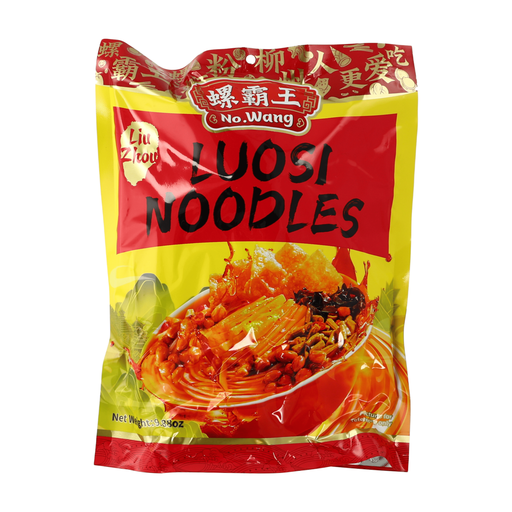
Why it fits the profile: The single portion contains several flavour components and can be prepared in around five minutes according to the product description. This lets you try a regional rice noodle variety without buying a large stock straight away.
The eight separate sachets make it clear where the flavour comes from. Do check the listed allergens, which include wheat, soya, peanuts and molluscs.
Rice noodles, soup base and several toppings in one pack; net weight 280 grams.
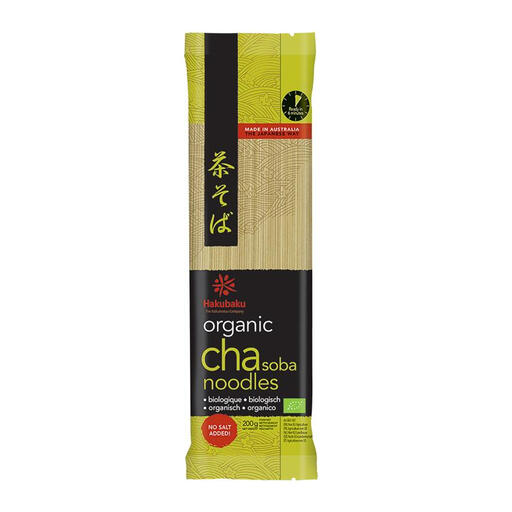
Why it fits the profile: This Japanese soba variety contains wheat flour, green tea and buckwheat flour. The short ingredients list suits shoppers who want to assess the composition carefully.
The product information specifically states 97% wheat flour, 2% green tea and 1% buckwheat flour. So don’t expect a product that is mostly buckwheat.
Suitable for cold noodle dishes; 0.9 grams of fat and 0.007 grams of salt per 100 grams according to the product information.
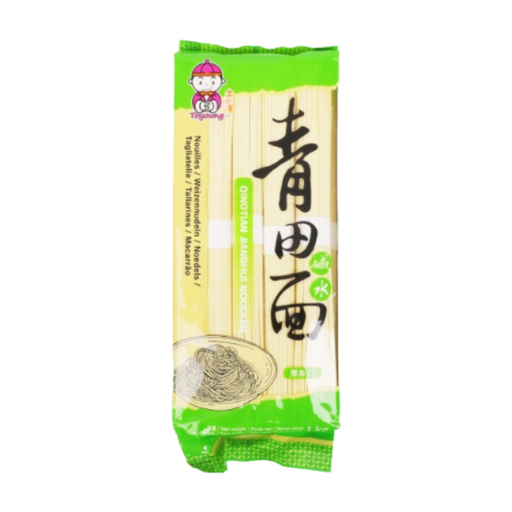
Why it fits the profile: The 1 kg bag is practical for frequent home cooks, families and professional kitchens who use Chinese noodles in soup, stir-fries or cold preparations.
The use isn’t limited to one recipe: the product information mentions stir-frying, soup and cold dishes. Do store the opened bag in a dry, sealed container.
Thick, springy noodles; 1 kg net weight; suitable for multiple cooking methods.
We’ve put together a full, up-to-date list of products that fully meet these strict selection criteria and comply with current European safety regulations.
Choose firm wheat noodles, such as thick alkaline noodles, udon noodles or stir-fry noodles. Cook them according to the pack instructions and drain them well before stir-frying with vegetables, tofu, meat or sauce. Thin noodles can become soft more quickly.
No. Some instant noodles are soaked, while others need to be boiled for a few minutes. Check the stated amount of water, temperature and preparation time. For noodle soup, you usually add the seasonings during cooking; for dry varieties, the sauce and oil are often mixed in after draining.
Unopened dry noodles can be kept until the date on the packaging, provided you store them in a cool, dry place. Once opened, they must be sealed tightly to prevent moisture and contamination. For ready-to-eat or pre-cooked noodles, always follow the manufacturer’s specific storage instructions.
