
Vandaag of morgen in huis

Kwaliteit gegarandeerd

Welkomstaanbiedingen ontgrendelen: GRATIS bezorging | Tot 80% korting | Gratis 30 dagen JoyPlus-proefperiode
Download de app
Buying Asian noodles seems straightforward – until you’re faced with a huge selection. Do you want instant noodles for a quick meal, Chinese noodles for the wok, or Japanese udon noodles for a hearty soup? The packaging often shows tempting flavour claims, but it doesn’t always tell you how long the noodles last, how many portions you get, or which allergens are present.
With this practical checklist, you can compare noodles based on verifiable information. That way, you avoid buying a large pack that doesn’t suit your cooking habits, or discovering that a spicy seasoning is too salty for everyday use.
A 1.36 kg or 2 kg pack can be handy for a family, meal prep, or regular wok cooking. But if you only eat noodles occasionally, an opened pack can sit around for a long time. Dried noodles need to be stored in a cool, dry place after opening, preferably in an airtight container.
So don’t just compare the total weight – also look at:
Spicy noodles, Korean noodles and Sichuan noodles often contain several sachets of oil, herbs and sauce. The intensity depends on how much you add. Check the label for the salt content per 100 grams and see whether the nutritional information applies to the dry product or the prepared meal.
With instant noodles, the salt content is often higher than with simple dried noodles. You can use the seasoning sachets partially and add extra vegetables, egg, tofu or chicken.
Terms like authentic Asian noodles or traditional flavour often refer to a style, recipe or origin, but they are not an official quality grade. So check the concrete product details: ingredients, country of origin, cooking time, texture and preparation method.
A product made in China might, for example, be in a Shanghai, Sichuan or Wuhan style. That’s different from where the product was actually produced.
First, choose the dish you want to make:
Pay attention to the difference between dried, pre-cooked and fried noodles. Pre-cooked udon is quick to prepare, while dry Chinese noodles usually need to boil for four to five minutes first.
The preparation time on the packaging is a practical point of comparison. Examples from the range:
Also check whether you need a pan. Some products only need a bowl of boiling water, while other noodles must be boiled and drained.
Always read the ingredients list, especially if you have allergies. Many products contain wheat and gluten. In addition, soya, sesame, peanut, milk, egg, fish and shellfish are common in seasoning sachets or as possible traces.
The product information on the website may differ from the packaging. So always check the physical label, allergen information, preparation instructions and best-before date before use.
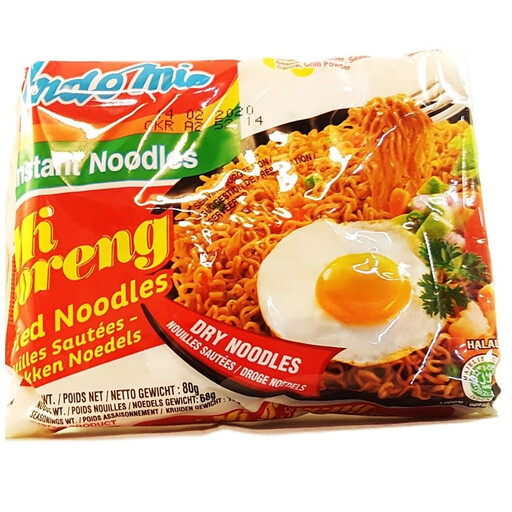
Why this fits the profile: A compact portion for students, first-timers and anyone who wants a quick meal without broth.
The 80-gram pack means you don’t have to open a large bulk pack straight away. Do check for the presence of wheat, soya, sesame and sulphites.
Prepared with seasoning, oil, sweet soy sauce and chilli sauce; intended as a dry mi goreng meal.
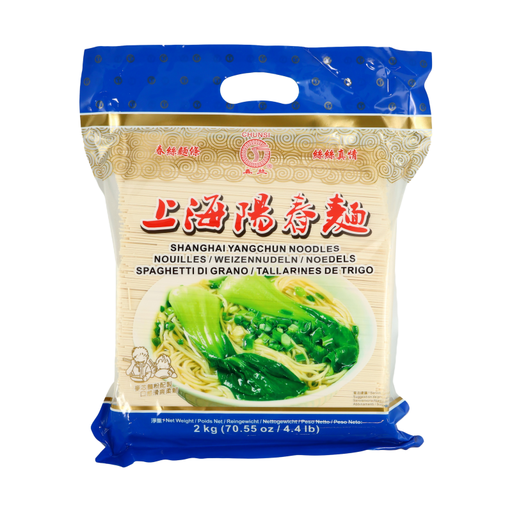
Why this fits the profile: For home cooks who want to decide their own sauce, broth and toppings, and who regularly cook for several people.
The short ingredients list makes it clear you’re mainly buying noodles, not a pre-made flavour mix.
2 kg net weight; cooking time of around four to five minutes; suitable for soup, stir-fries and cold noodle salads.
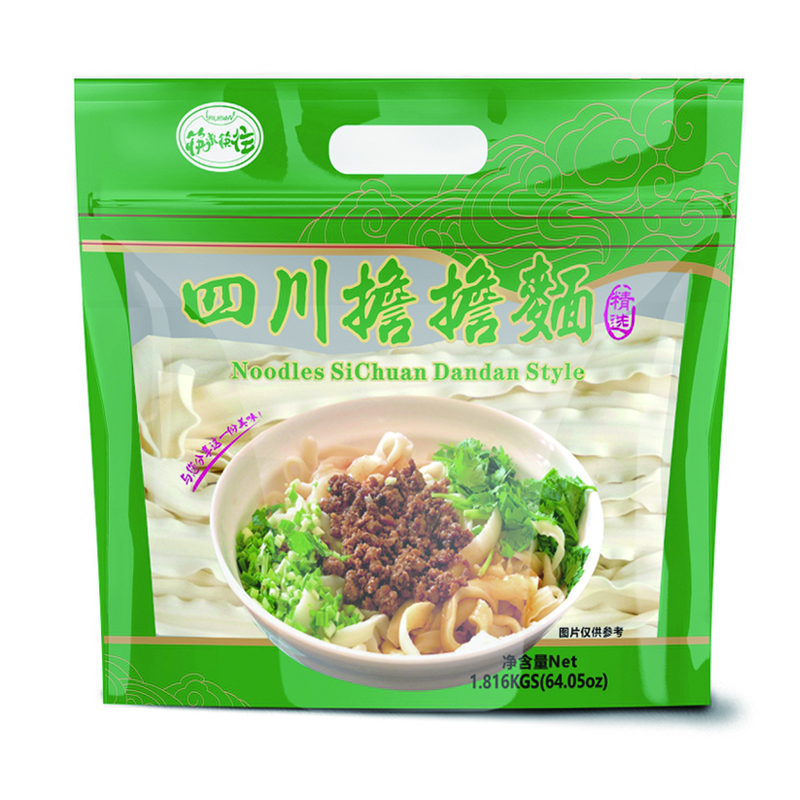
Why this fits the profile: For fans of thin, firm noodles who want to add their own spicy Sichuan sauce, broth or stir-fry sauce.
There is no pre-determined sauce in the pack. This means you control the spiciness and salt level yourself.
1.816 kg net weight; cooking time of around five minutes; suitable for soup, fried noodles, cold preparations and hotpot.
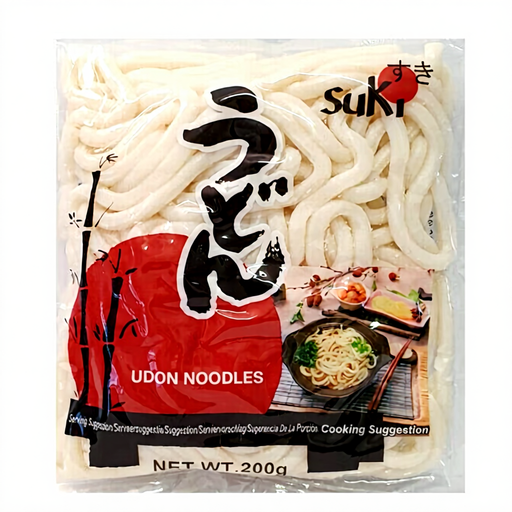
Why this fits the profile: A portion size for a quick noodle soup, stir-fry or hotpot without building up a large stock.
The preparation information notes that rinsing before cooking can reduce a slight acidity. This lets you adjust the flavour yourself.
200 grams per pack; suitable for soup, stir-fry and hotpot; contains wheat and gluten.
We’ve put together a full, up-to-date list of products that fully meet these strict selection criteria and comply with current European safety regulations.
Udon, Chinese yellow noodles and thin dried wheat noodles all work well in soup. Pay attention to the cooking time and add the noodles only when the broth is nearly ready. This stops them from going too soft. With instant noodles, you can adjust the seasoning sachets and add fresh vegetables or tofu.
Always check the best-before date on the packaging. Store opened dried noodles in a cool, dry, airtight place. A large pack of noodles is especially practical if you cook several times a month. You could divide the contents into sealable storage containers to limit moisture and odours.
Instant noodles are handy for a quick meal, but compare the nutritional values and salt content per portion. By adding vegetables, egg, pulses, tofu or meat, you can make the meal more varied. If you have allergies, always check the current packaging, because recipes and labels can change.
