
Vandaag of morgen in huis

Kwaliteit gegarandeerd

Welkomstaanbiedingen ontgrendelen: GRATIS bezorging | Tot 80% korting | Gratis 30 dagen JoyPlus-proefperiode
Download de app
Asian instant noodles are a handy option for a quick meal, whether you’re stocking up a student room, an office cupboard or your kitchen at home. At the same time, the range is huge: from Korean ramen and Samyang Buldak ramen to Indomie instant noodles and Thai instant noodles. However, a striking packet doesn’t always tell you what you’re actually buying.
Pay particular attention to these three common pitfalls:
First, look at the net weight per serving. A sachet of 55g or 60g is generally smaller than a serving of 130g or 140g. That difference determines how much you need for a meal and affects the price per portion.
For occasional use, packs of five or six are practical. If you often make noodle soup, spicy noodles or a quick lunch, you might consider a noodle multipack or bulk pack. For an office, student house or catering environment, boxes of 20, 30 or 40 servings are more efficient to store, as long as the best-before date matches your consumption.
Not every ramen is a noodle soup. Pay attention to the product type:
Indomie Mi Goreng, for example, is a dry stir-fry variant with sweet soya sauce, seasoning oil and chilli powder. Paldo Bibim Men, according to the product description, is eaten cold with a sweet and spicy sauce. If you’re specifically looking for Japanese ramen, you need to check whether it’s a soup variant or a dry preparation.
Korean ramen often has firm, springy noodles and distinctive seasonings. Samyang Buldak ramen, according to the product description, combines chicken flavour with a spicy sauce. The Carbonara variant adds a creamy powder mix. The term “carbonara” here refers to a flavour style of the instant product, not that it’s prepared in the same way as a traditional pasta dish.
For a milder choice, Ottogi Jin Ramyun Mild is an option with a broth base and a gentler flavour description. If you’re after a sharper broth, look at Ottogi Jin Ramyun Spicy or Paldo Hwa Ramyun. Thai instant noodles from MAMA are available in chicken and prawn flavours, among others, with aromatic broths.
Also check the ingredients list. “Vegetarian” or “vegetable flavour” doesn’t automatically mean every variant is suitable for every diet. The product information for Indomie Vegetable, for instance, mentions wheat and celery; the current packaging remains the deciding factor. According to Samyang’s own information, the Carbonara variant contains milk and soya, among other things. So use the product label information as your definitive source.
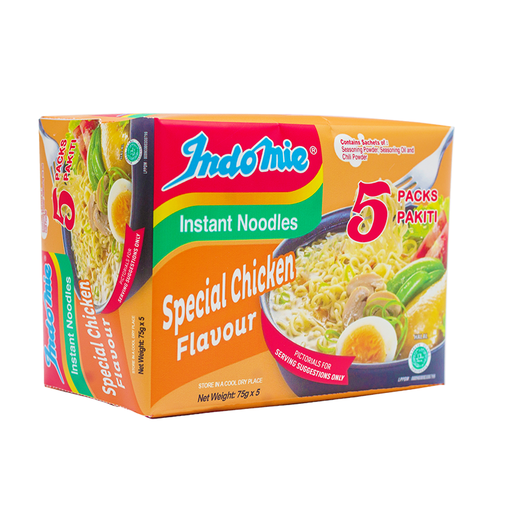
Why this fits the profile: A pack of five servings is manageable if you want to try Indomie instant noodles first without buying a large box straight away.
The number of sachets and the weight per sachet are clearly stated, making it easier to compare the price per serving.
Five servings of 75g each, chicken seasoning and a compact pack for storing at home or in the office.

Why this fits the profile: This multipack is aimed at fans of a robust Korean flavour, creamy sauce and a generous portion.
The packaging states ten individual servings of 130g each. The product information also lists gluten, soya and milk as allergens.
Ten servings, thick wheat noodles and a combination of spicy chicken and carbonara flavour.
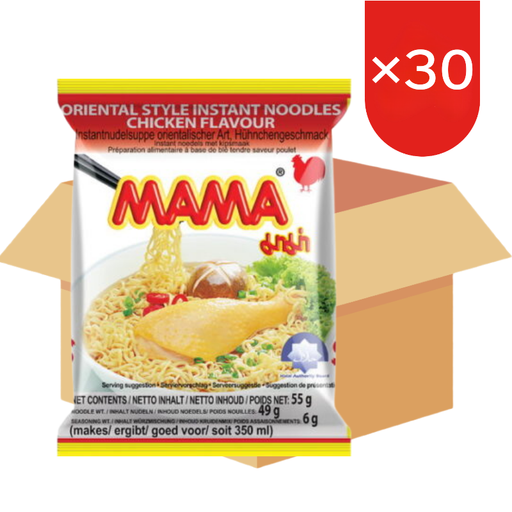
Why this fits the profile: The box of thirty servings is practical for families, offices, student houses and small-scale catering.
It’s a fixed bulk pack with identical 55g servings. This means you know in advance how much stock you’re receiving.
Thirty individual sachets, Thai style, chicken broth and easy to store at room temperature.
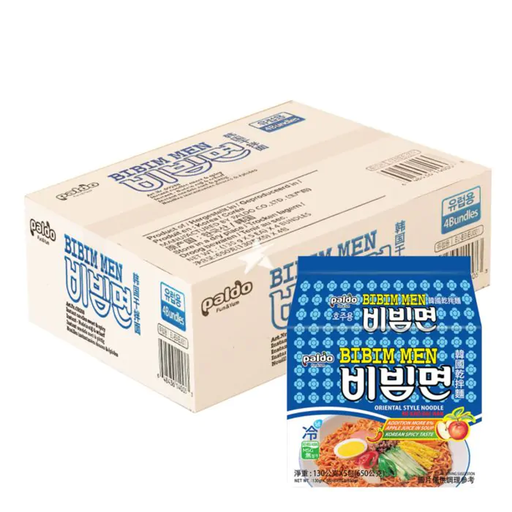
Why this fits the profile: Ideal for anyone looking for a different preparation to noodle soup and who enjoys a sweet and spicy Korean sauce.
The preparation method is clear: boil for four minutes, rinse with cold water, then mix in the sauce and vegetable flakes.
Twenty servings of 130g each and a cold Bibim Men preparation without broth.
We’ve put together a full, up-to-date list of products that fully meet these strict selection criteria and comply with current European safety regulations.
Store instant noodles in a cool, dry place, out of direct sunlight and away from heat and moisture. Check the packaging for damage and don’t use any sachets that are torn. The best-before date is on the product itself; with imported foods, the date or additional information may vary from pack to pack.
When preparing, follow the instructions on the label. With stir-fry noodles, it’s important not to leave too much cooking water behind, otherwise the sauce will be thin. Feel free to add vegetables, egg, tofu or chicken, but first check whether the basic variant already contains allergens. For children or people who aren’t used to spicy food, it’s better to choose a milder version and start with less sauce if the preparation method allows.
No. Korean ramen is available in mild broth variants, such as Ottogi Jin Ramyun Mild, but also as very spicy Buldak or other chilli versions. Look at the product description, ingredients and preparation instructions rather than just the colour of the packaging.
The exact shelf life is stated on the packaging. Unopened sachets generally last longest when stored in a dry place that isn’t too warm. Check the packaging before use and always follow the manufacturer’s date and storage information.
No. A variant with vegetable flavour can still contain ingredients or flavourings of animal origin. So check the ingredients list and any vegetarian labelling on the current packaging. If in doubt, the product label information is the deciding factor.
