
Vandaag of morgen in huis

Kwaliteit gegarandeerd

Welkomstaanbiedingen ontgrendelen: GRATIS bezorging | Tot 80% korting | Gratis 30 dagen JoyPlus-proefperiode
Download de app
Asian instant noodles are handy for a quick lunch, a student meal or for stocking up your cupboard. Yet Korean ramen, Japanese instant noodles, Indonesian mie goreng and Thai instant noodles differ greatly in flavour, preparation and portion size.
If you only look at a flashy packet or a low price, you might be in for a surprise. The three most common pitfalls are:
Whether you’re at home, in the office or on the go, the packaging determines how much convenience you get.
Always follow the instructions on the label. Preparation time can vary from around three to five minutes depending on the product.
A portion of 60 to 80 grams is different from a packet of 130 to 145 grams. So don’t just look at the number of packets, but also at the net weight per portion.
For a household or office, a bulk pack of ramen can be practical. For occasional use, five individual portions are often easier to manage. A box of 40 packets, like some Samyang varieties, also requires enough dry, cool storage space.
Check the current packaging before buying, especially if you have an allergy or intolerance. Many Asian instant noodles contain wheat and gluten. In addition, soya, sesame, celery, fish, milk and other allergens are common. Product information on a website may differ from the label; the packaging is what counts.
Also look out for differences in salt, energy and fat per 100g. These values aren’t always directly comparable when one product is shown dry and another prepared. A product with a separate sachet of seasoning sometimes gives you more control over the amount of flavouring, but only if you don’t automatically add it all.
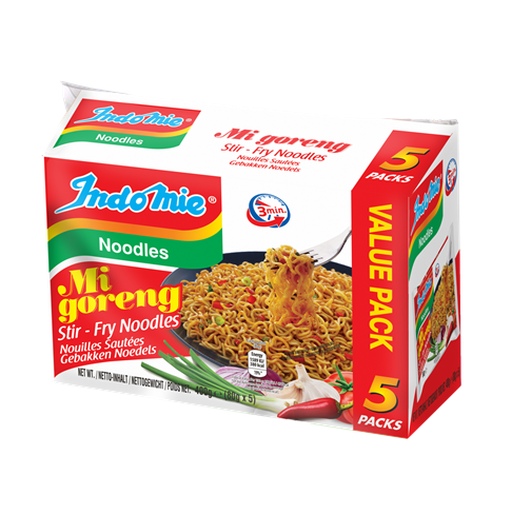
Why this fits the profile: This pack contains five 80g portions, making it easy to manage for anyone wanting to try Indonesian mie goreng without buying a large box straight away. The noodles are served without broth and are ideal for a quick meal at home or in the office.
The number of portions and the weight per packet are clearly stated. The sauce, oil and seasonings are added separately, so you can adjust the flavour to your liking.
Five individual portions, dry stir-fry preparation and an ingredients list clearly showing wheat, soya and sesame.
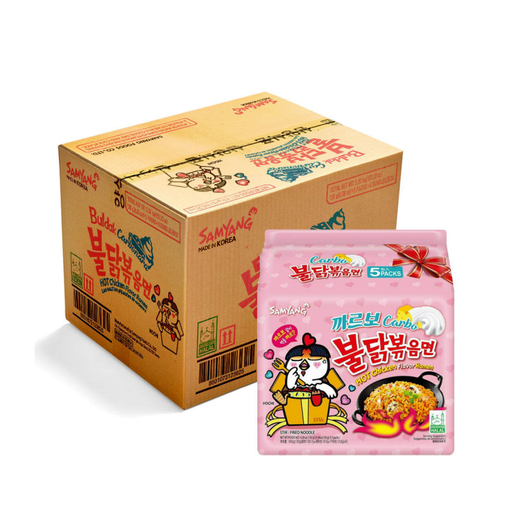
Why this fits the profile: These Korean ramen are designed for fans of a bold combination of spicy chicken and a creamy carbonara flavour. The box contains 40 packets of 130g and suits households or groups who eat ramen regularly.
The preparation method states how much water to leave in and when to add the sauce. This makes it clear that it’s a stir-fry variety, not a regular soup noodle.
40 portions per box, 130g per portion and a sauce based on chilli, soya and chicken flavour according to the product information.
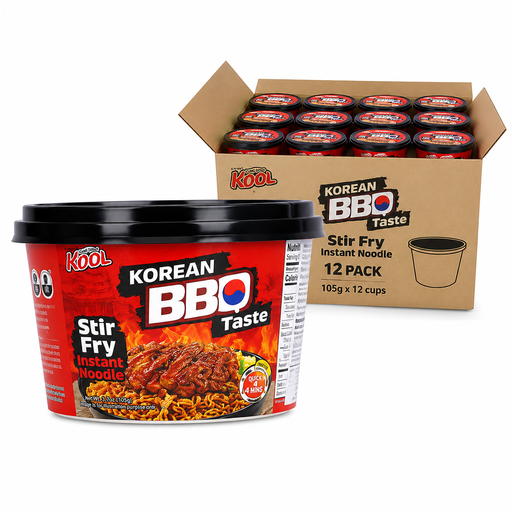
Why this fits the profile: The twelve individual instant noodle cups are handy for an office, student house, family or store cupboard. You don’t need a pan; each cup requires around 300ml of hot water.
The portions are individually packed and the preparation steps are designed for hot water. This makes using them more predictable outside the kitchen.
Box of 12 cups weighing 105g each, 2–3 minutes waiting time and a Korean-BBQ-inspired stir-fry sauce according to the product description.
We’ve put together a full, up-to-date list of products that fully meet these strict selection criteria and comply with current European safety regulations.
If you’re looking for Japanese instant noodles, you might want to look for a milder soy sauce or teriyaki flavour. The Nissin Soba Teriyaki Instant Fried Noodles are a dry wok-style variety; according to the product information, the noodles are made from wheat and not buckwheat, despite the name soba.
For Thai flavours, there’s MAMA Instant Noodles Pork Flavor 30*60g (Box). This box contains 30 portions of 60g and is prepared with hot water according to the instructions. Again, check for wheat, soya and sesame in the allergen information.
If you want to put together a meal yourself, Sum & Sam Wok Noodles - 248 g offer a more neutral base. Add vegetables and a sauce, and compare the price of the individual pack with a ready-made instant meal.
The shelf life varies by product and batch. Always check the date on the packaging and store the noodles in a cool, dry place away from direct sunlight. Seal an opened pack tightly, and eat a prepared portion straight away.
No. Korean ramen are available as soup noodles, stir-fry noodles and varieties with cheese or creamy flavour. With products containing chilli, habanero or “hot chicken”, it’s wise to add the sauce gradually. Check the ingredients list and preparation method.
That depends on the price per portion, the net weight and how much you’ll actually use. Divide the total price by the number of portions, then check the best-before date. A bulk pack is especially practical when several people eat instant noodles regularly.
