
Vandaag of morgen in huis

Kwaliteit gegarandeerd

Welkomstaanbiedingen ontgrendelen: GRATIS bezorging | Tot 80% korting | Gratis 30 dagen JoyPlus-proefperiode
Download de app
Asian instant noodles are handy for a quick lunch, a simple dinner or a late-night snack. Yet an attractive packet can sometimes be misleading. A large bowl doesn’t automatically mean a large portion, a flavour name like ‘beef’ doesn’t always indicate a lot of meat, and ‘authentic’ tells you little about the preparation or ingredients.
With these checks, you can compare Korean instant noodles, Japanese ramen and Chinese noodles based on the information that actually appears on the product page or packaging.
Names such as beef noodles, chicken pho noodles or tonkotsu ramen often refer to the flavour profile. That doesn’t necessarily mean there’s a large amount of meat, chicken or pork broth present. So always check the ingredients list. There you’ll see whether the product uses, for example, extract, flavouring, herbs or a seasoning powder.
With the Namdong Beef Jjigae Noodles, the soup base includes beef extract, among other things. The combination is complemented by red pepper, garlic, onion and a liquid chilli sauce. That gives a much clearer picture than just the name ‘beef jjigae’.
A bowl that’s ready in three or four minutes can be practical, but the preparation method varies. Some products need to be boiled and then drained. Others are simply covered with boiling water and left to steep in the bowl. With noodles that come with several sachets, the order can affect the final result.
Also pay attention to the amount of water required. The Namdong packet uses 400 ml of boiling water and a steeping time of four minutes. The Shanxi knife-cut multipacks, for example, require 550 ml of water and preparation in a pan. So a kettle alone isn’t always enough.
An instant noodle multipack can be good value if you eat the product regularly. But do compare the total weight and the number of portions. A pack of twelve small sachets isn’t directly comparable to five portions of 110 or 118 grams.
Dry noodles generally have a long shelf life, but the exact date is on the packaging. Store them in a cool, dry place away from direct sunlight. Don’t use a damaged packet.
The noodle largely determines how the meal feels:
Watch out for allergens. Many varieties contain wheat and gluten. Other common mentions include soya, sesame, buckwheat, peanut or milk. Always check the current packaging, especially if you have an allergy or intolerance.
First decide what type of meal you’re after:
The Chicken Pho Wok Bowl is an example of a drained product in a 6-pack. Each bowl contains 76 grams. That makes it suitable for stocking up at home, but the portion is smaller than that of various Chinese knife-cut varieties.
Nutritional values are usually given per 100 grams. So don’t just compare the numbers, but also the net weight of one portion. For example, the Namdong Beef Jjigae Noodles state 6.3 grams of salt per 100 grams. The Shanxi Spicy Beef multipack lists 27.2 grams of salt per 100 grams in the product information provided. Such differences make it important to check the label yourself and, if necessary, not add all the sauce or oil components.
The sachets also give you control over the flavour. With spicy noodles, add only part of the chilli sauce first if you want to adjust the intensity.
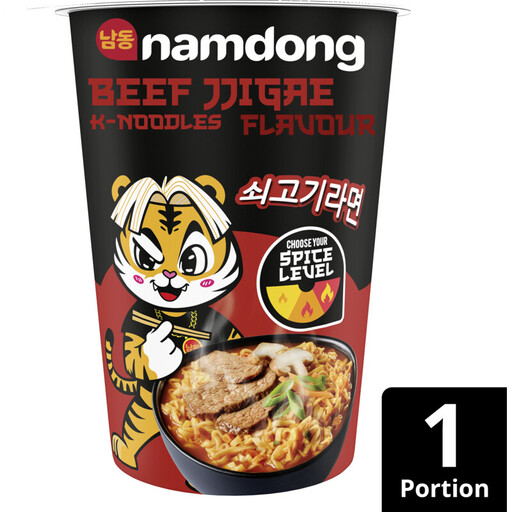
Why this fits the profile: A single Korean instant noodle packet is an easy way to try a spicy beef flavour without committing to a multipack. Preparation requires 400 ml of water and around four minutes of steeping time.
The product information separately lists the soup base, liquid sauce and vegetable flakes. Allergens such as wheat and soya are also stated.
Single 83g portion, South Korean origin and a combination of dried vegetables, soup and sauce sachets.
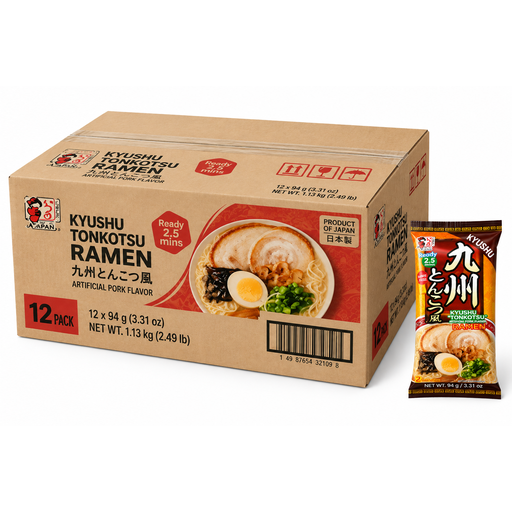
Why this fits the profile: If you eat Japanese ramen regularly, twelve packets give you a stock for several meals. The Kumamoto style combines a creamy soup base with garlic flavour, according to the product description.
The packaging includes a clear portion indication of 174 grams per packet and an ingredients list with wheat, soya and sesame.
Multipack of twelve, Japanese origin and room to add your own toppings such as spring onion, egg or chashu.
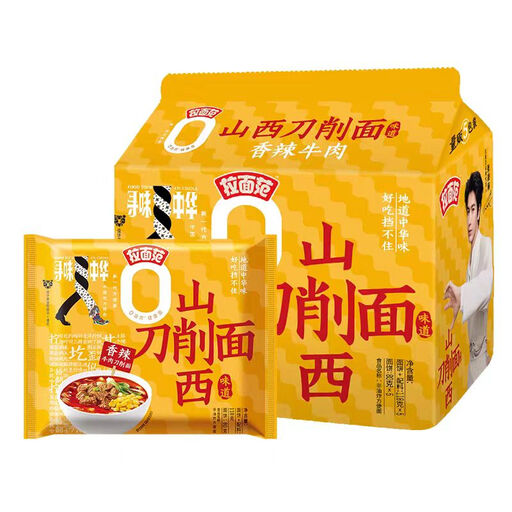
Why this fits the profile: This cup version is practical for work, study or a quick meal without needing a pan. The wide knife-cut noodles are prepared with boiling water in around four minutes.
The product information states 110 grams net weight, four separate components and allergens such as wheat, soya and sesame.
Cup packaging, wide noodles, spicy beef flavour and separate sauce, powder, vinegar and vegetable components.
We’ve put together a full, up-to-date list of products that fully meet these strict selection criteria and comply with current European safety regulations.
An instant product is often intended as a base, not a complete meal with fresh vegetables and protein. You can supplement the bowl with, for example, pak choi, spring onion, egg, tofu, chicken or mushrooms. Only add these ingredients if they are properly heated and fit within the usage instructions.
With dry Bai Xiang knife-shaved noodles, boiling is necessary: the product information mentions five to seven minutes in one litre of water. That’s clearly different from a bowl noodle soup that only needs to steep. So check before you buy whether you need a pan, a colander or just boiling water.
Yes, many varieties are ready within three to five minutes. The required time, amount of water and preparation method vary by product. Always check the instructions on the packaging.
The best-before date is on the packaging. Store the product in a cool, dry place away from direct sunlight. After opening, seal any loose sachets properly and store them according to the instructions.
Spiciness varies by brand and recipe. Products with chilli sauce, Sichuan pepper or Pixian chilli paste, such as some Shanxi spicy beef varieties, generally have a pronounced, aromatic heat. Add the sauce sachet gradually if you want to control the intensity yourself.
