
Vandaag of morgen in huis

Kwaliteit gegarandeerd

Welkomstaanbiedingen ontgrendelen: GRATIS bezorging | Tot 80% korting | Gratis 30 dagen JoyPlus-proefperiode
Download de app
When you’re buying Asian fish sauce and fish seasonings, you’ll quickly find dozens of bottles, seasoning packs and ready-to-use fish products lined up side by side. The differences aren’t just about the brand or the packaging. Origin, fish content, salt level, allergens and preparation method all determine whether a product is right for your dish.
A Thai fish sauce for som tam, for example, works very differently from a Chinese sauce for steamed fish. A sauce for grilled fish is often sweeter and thicker. With these checks, you can avoid a bad buy and more easily choose between Chinese, Thai, Vietnamese and Japanese varieties.
Words like “seafood”, “fish flavour” or “authentic taste” don’t make it clear what the sauce is for. So always check the preparation instructions. A sauce designed to be poured over steamed fish isn’t automatically suitable as a marinade or stir-fry sauce.
Examples:
With fish sauce, the percentage of fish or anchovy is a useful point of comparison. Thanh Ha Fish Sauce, for example, states 35% Stolephorus commersonnii, while Healthy Boy Fermented Fish Sauce contains 70% fermented anchovy according to the product description. Maeboonlam lists a fermented fish sauce as the main ingredient with a share of 93%.
A higher fish percentage doesn’t automatically mean the flavour will suit everyone. Fermented Thai fish sauce can be powerful and salty. For a mild dressing or a first try, a sauce with a gentler flavour profile may be more practical.
Fish, soya, wheat, sesame, mustard and shellfish are common ingredients in fish sauces and fish seasonings. Always read the current label, especially with mixed packs.
Also pay attention to the salt content:
These figures aren’t directly comparable because of the different units, but they do show why you need to add them in measured amounts.
The origin gives you a first clue about how to use it, but always check the ingredients and instructions. A Chinese fish sauce or steamed-fish soy sauce is usually tailored to light fish dishes with ginger and spring onion. A Thai fish sauce is widely used in marinades, dips and salads. A Vietnamese fish sauce can serve as a base for nước chấm or as a salty seasoning in noodle dishes.
A Japanese fish sauce is less common as a general table condiment. Japanese sauces for eel, such as kabayaki sauce, are usually sweet, syrupy and soya-sauce based.
Don’t just look at “fish sauce” on the front. Check:
With mixed products, the seasoning may also contain oil, chilli, pickled vegetables or herbs. That’s the case, for example, with a pickled cabbage fish seasoning, which is generally intended for a soup or stew with fish.
A large bottle is only good value if you use fish sauce regularly. For occasional cooking, a smaller bottle or a portion pack may be more convenient. Pay attention to the storage instructions:
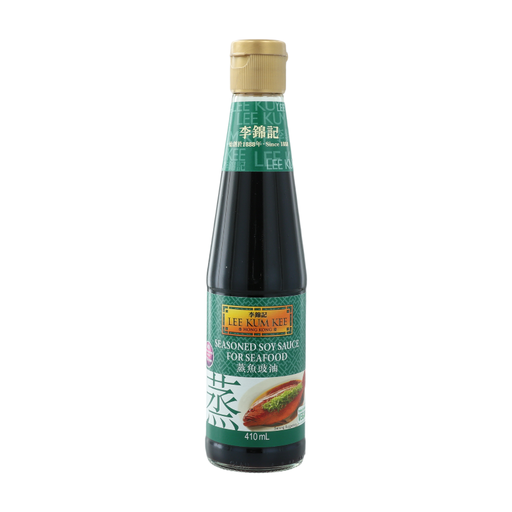
Why it fits this profile: This ready-to-use sauce is designed for steamed fish and seafood. You don’t need to mix your own combination of soy sauce, sugar and aromatics.
The use is clearly stated: heat and pour over steamed fish. So the bottle doesn’t rely on complicated recipe adjustments.
410ml volume, ready to use and, according to the ingredients, based on soya, wheat, sugar and yeast extract.
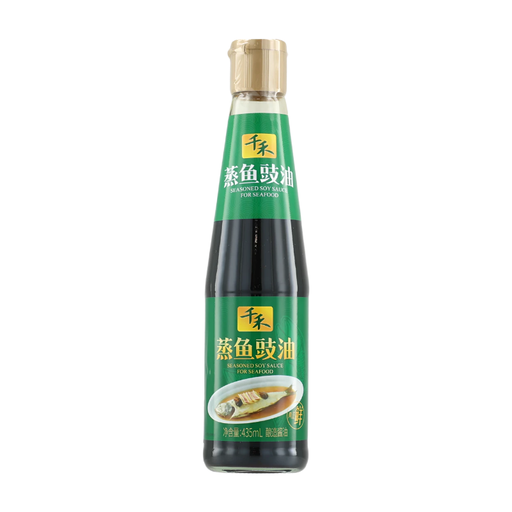
Why it fits this profile: Ideal if you want one sauce for steamed fish, prawns, shellfish and light stir-fry dishes.
The product description mentions multiple uses and gives the 435ml volume. Do check the relatively high salt content of 16.4g per 100ml.
Brewed soy sauce with 24% non-GM defatted soya beans according to the product information; contains soya and wheat.
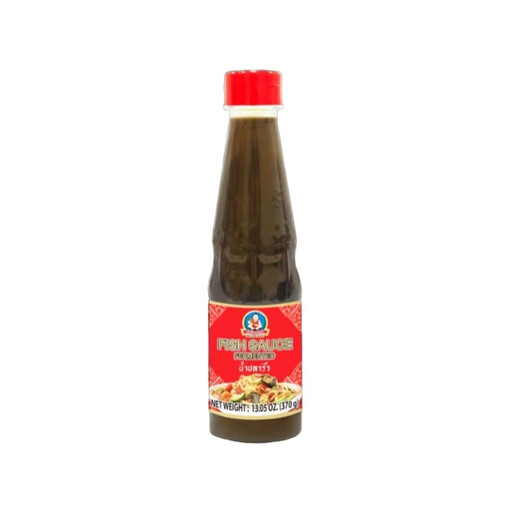
Why it fits this profile: Aimed at home cooks who want a pronounced Thai flavour for dishes such as som tam and Isan cuisine.
The product description clearly states that this is a fermented anchovy sauce. So you know it’s not a neutral dipping sauce.
370g, according to the product information made with 70% fermented anchovy, rice and salt. Refrigerate after opening.
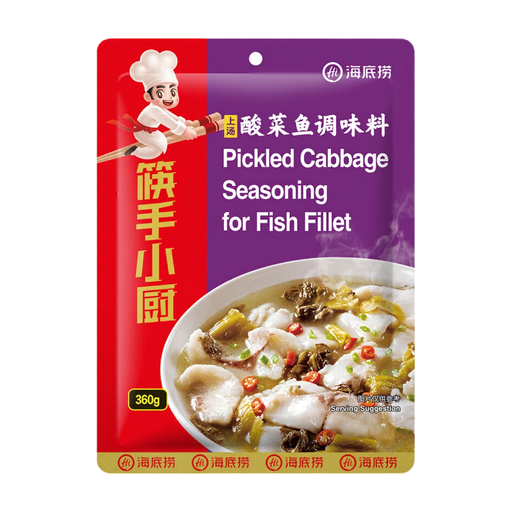
Why it fits this profile: A practical choice if you want to make a Sichuan-style fish dish without weighing out individual pickled vegetables, chilli and spices.
The pack contains a sauce sachet and a sachet of pickled mustard greens. The use and required preparation are therefore clearly defined.
360g volume, intended for suan cai yu; according to the label contains soya, wheat, mustard and sesame.
Not every purchase has to be a cooking base. For a quick lunch, tuna in tomato sauce and sardines in tomato sauce are useful in rolls, salads, pasta or rice. Pescamar Tuna in Tomato Sauce comes in three tins of 80g. John West MSC Sardines In Tomato Sauce contains 74% sardines according to the product information and can be used on bread, in pasta or as a snack.
For between meals, Asian fish snacks such as Jin Zai Small Fish or Jin Zai Deep-Sea Mini Fish are practical thanks to their individual packaging. Do check the allergens on these products: both varieties contain fish and soya; the product information also mentions wheat.
For a sweet Japanese finish, try SONOKO Eel Sauce or Daisho Grilled Eel Sauce. These sauces suit eel, rice, sushi and grilled fish. Because of their sugar content, they’re best used as a glaze or finishing sauce, not as a neutral fish sauce.
We’ve put together a full, up-to-date list of products that fully meet these strict selection criteria and current European safety regulations.
Choose a sauce that explicitly states it’s for steamed fish or seafood. Lee Kum Kee Steam Fish Soy Sauce and Qianhe Steamed Fish Soy Sauce are examples of ready-to-use Chinese sauces. Heat the sauce according to the label and add ginger and spring onion if you like.
It varies from product to product. Store the bottle as directed on the packaging, seal it tightly and refrigerate the product when instructed. Mixed seasoning packs and fish snacks often have stricter instructions after opening than pure fish sauce.
No. Fish sauce is a liquid, salty seasoning made from fish or fermented fish. A fish seasoning mix may contain oil, chilli, pickled vegetables, herbs and flavour enhancers, and often needs to be cooked in. So always check whether the product is ready to eat or needs preparation first.
