
Same-day & Next-day Delivery

Quality Guaranteed

Unlock Your Welcome Offers: FREE Delivery | Up to 80% OFF | Free 30-day JoyPlus trial
Download the APP
Buying Asian dumplings seems straightforward – until you’re faced with a freezer full of options. Whether you’re after frozen dumplings for a quick meal, Japanese gyoza for the frying pan, or ha kau dumplings for a dim sum evening, the filling, cooking method, allergens and pack size will determine whether your purchase suits your needs.
Watch out for three common pitfalls:
Don’t just look at the flavour name – read the ingredients list and the amount of filling. Some products state the percentage of meat, vegetables or prawns. For example, Freshasia Shrimp Dumpling contains 45% prawn in the filling, according to the product information. BML Shrimp Gyoza lists 34.90% prawn, along with chives, cabbage and shiitake.
For a family, a pack of 600 to 800 grams can be practical. If you’re serving dumplings as a snack or side dish, 300 to 500 grams may be enough. Larger packs, such as 2 × 1 kg, are better suited to regular use or feeding a bigger group.
Many Chinese dumplings, Japanese gyoza and Korean gyoza contain wheat, soya and sesame. Shrimp dumplings also often contain crustaceans and sometimes fish. Always read the current packaging, especially if you have an allergy or intolerance.
Examples from product information:
Brand information about flavour or authenticity is the brand’s own description. Judge the product on verifiable details such as ingredients, net weight, origin and cooking instructions.
Most frozen dumplings can be cooked straight from the freezer. Thawing can make the dough softer and more likely to tear. Always follow the label, but these methods are common:
For example, Ben’s Crystal Shrimp Dumplings can be steamed for around seven minutes or microwaved for three to four minutes at 650 watts, according to the product information. bibigo Korean BBQ Gyoza Vegan takes about seven minutes in the pan or around eight minutes steamed, as per the instructions.
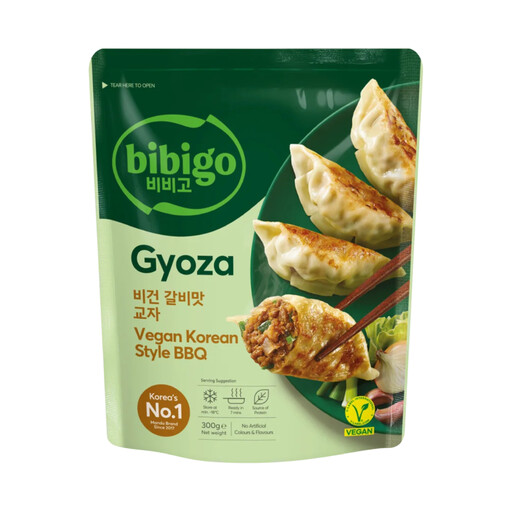
Why this fits the profile: A compact pack for anyone wanting to try Korean gyoza without buying a large bulk supply. The product information mentions pan-frying in around seven minutes or steaming.
The ingredients list clearly states the vegetable filling and allergens. Do check the packaging if you need to avoid wheat, soya or sesame.
300 g pack; vegan recipe according to the product details; suitable for pan-frying and steaming.
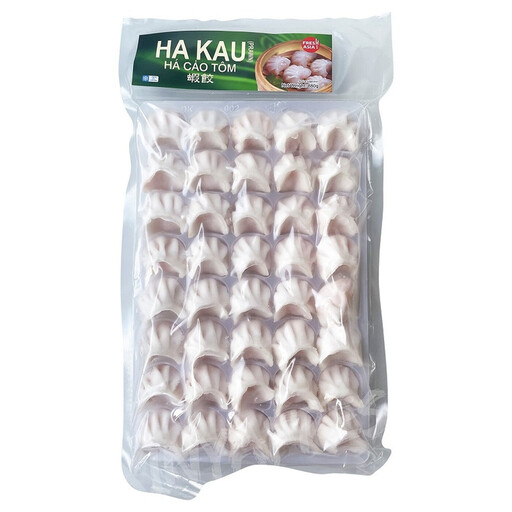
Why this fits the profile: A generous pack for anyone wanting to serve dim sum at home and who values a thin, translucent wrapper with a prawn filling.
The product information states 880 g, 45% prawn in the filling and steaming as the cooking method. This lets you compare the purchase on concrete details.
880 g net weight; around 45% prawn in the filling; designed for steaming as part of a dim sum meal.
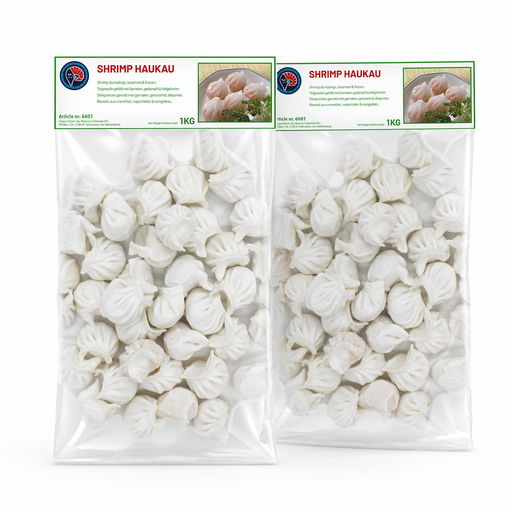
Why this fits the profile: The double 1 kg pack suits frequent cooking, larger households, or anyone who wants to keep ha kau dumplings in stock regularly.
The pack contains individually quick-frozen product, according to the product information. On delivery, check the cold chain is intact and store the product straight in the freezer.
2 × 1 kg; ha kau style; suitable for various dishes; store as a frozen product.
We’ve put together a full, up-to-date list of products that fully meet these strict selection criteria and comply with current European safety regulations.
Use a roomy pan, steamer basket or frying pan so the dumplings aren’t pressed together. Place frozen dumplings gently into the pan and only stir if the instructions allow it. For boiling, five to eight minutes is typical for some Chinese dumplings; for steaming, the time is often around seven to ten minutes. The exact time depends on size, filling and equipment.
For Japanese gyoza and Korean gyoza, pan-frying works well: fry first in oil, then add a small amount of water and cover the pan to steam. Remove the lid once the water has evaporated so the bottom crisps up again. Serve with soy sauce, rice vinegar, chilli oil or a mild dipping sauce.
Store any unused dumplings frozen according to the packaging. Once thawed, keep them refrigerated and use them within the stated time. Do not refreeze a product that has been thawed.
Choose a pack that lists pan-frying, steaming or both as cooking methods. A size of 300 to 600 grams is practical for a first purchase or a meal for a small household. Check the required oil, cooking time and allergens beforehand.
Gyoza usually has a relatively thin wheat dough and is often pan-fried. Ha kau is a dim sum with a light, sometimes translucent wrapper and is typically steamed. The terms don’t refer to one fixed filling, so always check the ingredients list.
Store them at the temperature stated on the packaging, often around -18 °C or lower. The specific best-before date is on the pack. Once thawed, keep the product refrigerated, cook it promptly and do not refreeze.
