
Vandaag of morgen in huis

Kwaliteit gegarandeerd

Welkomstaanbiedingen ontgrendelen: GRATIS bezorging | Tot 80% korting | Gratis 30 dagen JoyPlus-proefperiode
Download de app
Buying Asian drinks in the Netherlands is becoming easier by the day. In one range you'll find Korean drinks, Japanese drinks, Chinese herbal tea, bubble tea and international soft drinks. Yet an eye-catching can or a familiar flavour doesn't always tell you everything about what you're getting.
As Joybuy's Product Recommendation Officer, I focus on verifiable information: content per pack, sugar content, ingredients, allergens, origin and storage advice. That way, you avoid a large multipack sitting unused, or a sweet drink turning out to be less suitable for daily use than you expected.
Fruit drinks, Korean pouch drinks and sweet iced tea can sound appealing with flavours like muscat, peach or watermelon. Always check the nutritional values per 100 ml and per full pack. For example, Jardin Muscat Ade contains 15.65 grams of sugar per 100 ml and 36 grams per 230 ml pouch, according to the product information. That difference is easy to overlook when you only look at the front.
A sugar-free soft drink often contains sweeteners instead of sugar. That is not the same as a drink without sweeteners. Lipton Sparkling Zero lists sucralose and acesulfame-K among its ingredients; Lipton Green Zero contains steviol glycosides and sucralose. If you're after a specific taste or composition, it's worth checking the label.
A tray of 24 cans is practical for a party, office or family, but less suitable if you want to try a new flavour first. Also pay attention to storage: many drinks need to be kept cool and dry, and must be refrigerated after opening. Check the best-before information on the packaging, especially for imported products.
Compare drinks on the same basis, preferably per 100 ml. Here are a few practical examples:
Bear in mind that nutritional values can vary between products. Always use the current packaging as a guide when making a purchase.
Small packs of 190 to 250 ml are handy for lunch, school or a tasting. A 500 ml bottle, such as Oasis Apple Berry Raspberry Drink, is suitable for on the go. Large trays are more worthwhile when you have a firm favourite or need drinks for several people.
For bubble tea, iced tea and Korean drinks, cans and pouches are often ready to drink straight away. Herbal tea in a jar, such as Delief Jujubee Tea or Delief Ginger Tea, requires preparation with water. So don't just look at flavour, but also at the amount of preparation that fits your routine.
Check the base ingredient for plant-based drinks. Vitasoy Original Soy Milk contains soya; Yakult Vitals Strawberry Flavor also has a soya base. A drink without listed allergens is not automatically suitable for everyone's personal situation. If you have allergies, always read the full label and warnings about possible cross-contamination.
The origin can vary from product to product. Jia Duo Bao and Vitasoy list China as the country of origin, Jardin Café Real Peach Iced Tea lists South Korea, and IAM coconut water lists Vietnam. Brand descriptions about taste or composition come from the manufacturer; treat them as product information and compare them with the ingredients list.
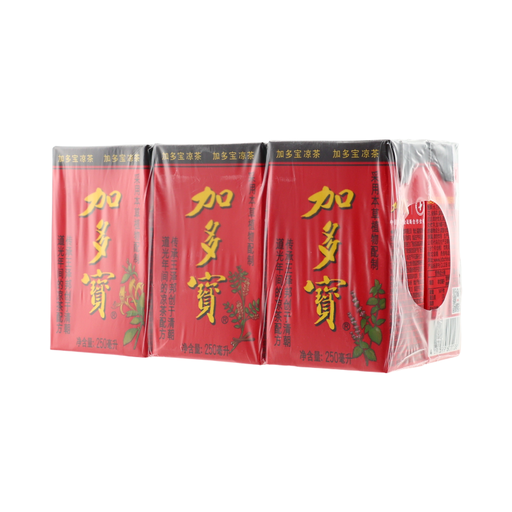
Why this fits the profile: The six 250 ml cans offer a manageable way to try a Chinese herbal tea without buying a large tray straight away. According to the product description, the drink is based on nine traditional herbs.
The content, portion size, ingredients and nutritional values are clearly stated. This means you can assess the sweetness and quantity per drinking occasion in advance.
Six individual cans, 250 ml each, ready to drink chilled and originating from China according to the product information.
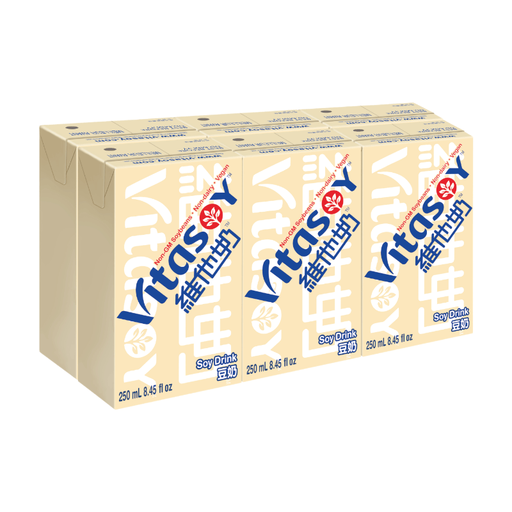
Why this fits the profile: This Hong Kong soya drink has a neutral, original flavour and can be enjoyed chilled, combined with breakfast cereal or used in desserts.
The portion packaging prevents an opened bottle from sitting around for too long. The allergen information clearly lists soya, so you can factor this in beforehand.
Six packs of 250 ml, 2 grams of protein per 100 ml and suitable for multiple uses in the kitchen.
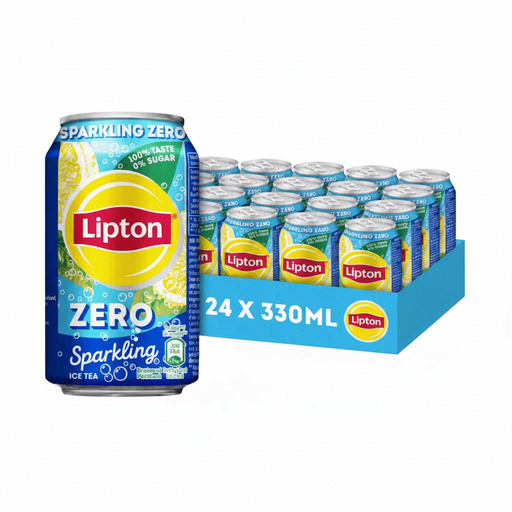
Why this fits the profile: A tray of 24 x 330 ml cans is practical for an office, student house, event or household where iced tea is regularly consumed.
The nutritional information states 0 grams of sugar per 100 ml. At the same time, the ingredients list shows which sweeteners and acids have been used.
24 cans of 330 ml, sparkling black tea with lemon juice according to the product description, and a sugar-free composition according to the stated nutritional values.
We've put together a full, up-to-date list of products that fully meet these strict selection criteria and comply with current European safety regulations.
Look at the nutritional value per 100 ml and not just at terms on the front. Lipton Sparkling Zero and Lipton Green Zero list 0 grams of sugar per 100 ml. They do contain sweeteners. Coconut water can be an alternative, but check the ingredients and any added sugars there too. IAM Superjuice Coconut Water lists no added sugar according to the product information.
Store unopened drinks in a cool, dry place away from direct sunlight. After opening, many products need to be refrigerated and consumed quickly. Vitasoy, for example, advises chilling the drink after opening and using it within 24 hours. Always follow the storage advice on the packaging.
A multipack can be practical when you already know the flavour and need multiple portions. Calculate the price per can or per 100 ml to compare different packs fairly. For a first purchase, a smaller pack, such as Jia Duo Bao with six cans, is often a more manageable choice.
