
Vandaag of morgen in huis

Kwaliteit gegarandeerd

Welkomstaanbiedingen ontgrendelen: GRATIS bezorging | Tot 80% korting | Gratis 30 dagen JoyPlus-proefperiode
Download de app
Buying Asian drinks online gives you far more choice than the standard soft drinks found in supermarkets. You can find Chinese drinks, Japanese and Korean beverages, soya milk, lemon tea, jasmine tea, coconut water and fruit drinks in packs of 6 or 24. With so much choice available, comparing products is essential.
An eye-catching package or a term such as “natural” does not automatically tell you enough about what is inside. Pay particular attention to the sugar content, serving size, allergens and shelf life. This helps prevent a drinks multipack from being left unused in the cupboard.
Ready-to-drink tea can contain sugar, fructose-glucose syrup or sweeteners in addition to tea extract. For example, Master Kong Lemon Tea lists 9.5 grams of sugar per 100 ml. A 250 ml pack therefore contains approximately 23.75 grams of sugar. The term lemon tea mainly describes the flavour category, not necessarily the nutritional value.
Sugar-free sparkling water may list 0 grams of sugar per 100 ml in the nutritional information, while still containing erythritol or steviol glycosides. Check both parts of the label: the nutritional information and the ingredients list. This shows you which sweeteners have been used and whether the product suits your preferences.
A box containing 24 cans or bottles may offer a lower price per item, but it also takes up more space. Check the following in advance:
For a first taste, packs of 6 are often easier to manage. For a family, office or regular stock-up, a 24-pack of Asian drinks may make more sense.
Always compare products on the same basis: per 100 ml. A small pack may seem light, but the full serving can contain two to three times as much sugar and energy. Also look out for terms such as sugar, fructose, glucose syrup, erythritol and steviol glycosides.
A low energy value does not necessarily mean that a product contains no sweeteners. According to the product information, Genki Forest Sparkling Water White Peach lists 0 kJ and 0 kcal per 100 ml, with 0 grams of sugar and sweeteners included in the ingredients list.
If you are buying vegetarian or vegan products, it is worth checking the product packaging. According to the listed ingredients, Sunflower Jasmine Tea consists of jasmine flowers and green tea and is suitable for vegetarians and vegans. Soya drinks, on the other hand, contain the allergen soya.
V-SOY Original Soy Drink also lists gluten from barley. Korean soya milk, such as SAHMYOOK Black Bean & Calcium Soybean Milk, may also contain wheat alongside soya as an allergen. A plant-based drink is therefore not automatically suitable for every allergy or diet.
Most of the selected drinks are ready to drink and taste best when chilled. Once opened, they should be stored in the fridge and consumed relatively quickly according to the product information. The exact timeframe varies by product: some packs state 24 hours, while others say “consume immediately” or give a longer period.
Also consider the format. A 1-litre bottle, such as Bamboo Tree Coconut Water, is suitable for sharing or serving with meals. Individual 190 or 250 ml packs are more convenient for travel, lunch or trying a flavour for the first time.
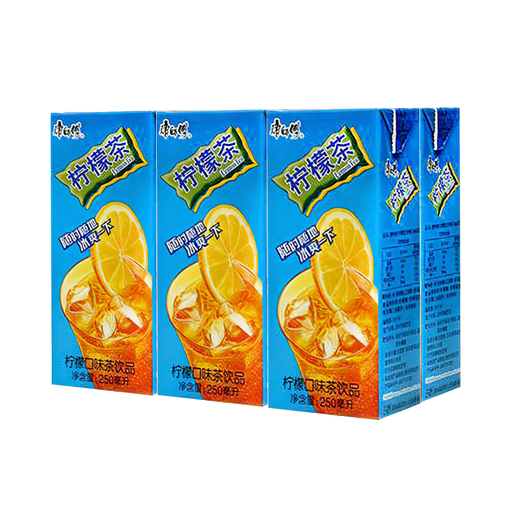
Why it suits this profile: Six 250 ml servings are easy to manage if you want to try lemon tea for the first time without ordering a large stock-up straight away.
The product information gives the volume per pack and the nutritional value per 100 ml. This means you can calculate the sugar content of the full serving yourself.
Six individual packs, 250 ml each and ready to drink. The stated value is 38 kcal and 9.5 g of sugar per 100 ml.
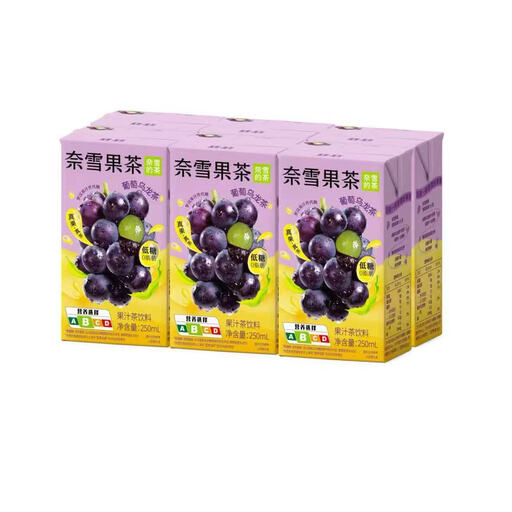
Why it suits this profile: This ready-to-drink tea combines oolong tea with red grape juice concentrate for anyone looking for a fruity tea flavour with a lower energy value than many sweetened tea varieties.
The product description states both the total fruit juice content of at least 5% and the sweeteners used. This provides more context than the flavour name alone.
20 kcal and 4.8 g of sugar per 100 ml, 0 g of fat and six 250 ml bottles. The product information recommends serving chilled.
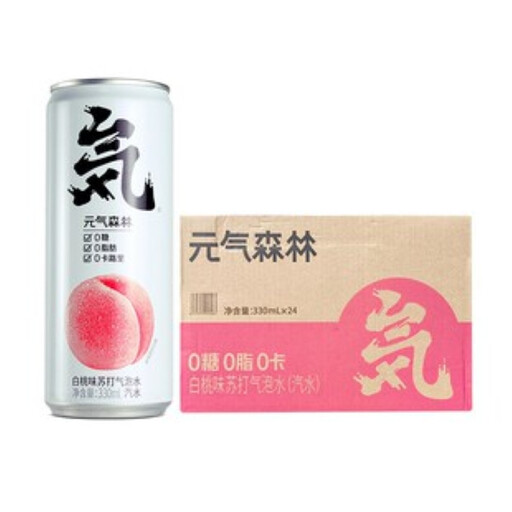
Why it suits this profile: A box of 24 cans is ideal for households, workplaces and fans of sparkling Asian soft drinks who want to reach for a chilled drink regularly.
The packaging states 24 × 330 ml, so you can estimate the storage space required and the total quantity in advance. The ingredients list identifies the sweeteners used.
330 ml per can, carbonated and, according to the product information, 0 kcal and 0 g of sugar per 100 ml. Serve chilled.
We have compiled a complete, up-to-date list of products that fully meet these strict selection criteria and the applicable European safety regulations.
First compare the nutritional value per 100 ml. Genki Forest sparkling water lists 0 grams of sugar per 100 ml, but does contain sweeteners. Naïsnow Grape Oolong Tea lists 4.8 grams of sugar per 100 ml. “Less sugar” can therefore mean different product choices: less sugar, no sugar or no sweeteners at all.
As a rule, unopened long-life drinks should be stored somewhere cool and dry, away from direct sunlight, in accordance with the label. Many drinks should be refrigerated after opening. Always check the packaging, seal the bottle or pack properly and consume the drink within the stated timeframe.
That depends on the price per pack, delivery costs and the total volume. Divide the total price by the number of millilitres or servings. A pack of 24 may be practical for regular use, while six may be financially wiser if you are not yet familiar with a new flavour.
