
Vandaag of morgen in huis

Kwaliteit gegarandeerd

Welkomstaanbiedingen ontgrendelen: GRATIS bezorging | Tot 80% korting | Gratis 30 dagen JoyPlus-proefperiode
Download de app
Buying Asian drinks online is convenient when you’re looking for Chinese soft drinks, fruit juices, bubble tea with boba or ready-to-drink teas that aren’t always available in British supermarkets. However, the range is wide and products vary significantly in flavour, sugar content, packaging and preparation.
Pay particular attention to three common pitfalls:
The product information below is based on the stated ingredients, nutritional values, volume and usage instructions. Brand claims about taste or quality are not presented as independently verified facts.
With an Asian fruit drink, terms like “peach”, “lychee” or “passion fruit” may simply refer to the flavour. So check whether the drink actually contains juice, pulp or concentrate, and how much.
Examples from the range:
A higher fruit percentage can give a more pronounced fruit profile, but it doesn’t on its own mean a drink contains less sugar. Always check the nutritional information per 100 ml.
Chinese soft drinks and lemon tea often contain sugar or glucose-fructose syrup. The values vary. Master Kong Lemon Tea, for example, states 9.5 grams of sugar per 100 ml. In a 250 ml pack, that works out at around 23.75 grams of sugar per serving.
Other products use sweeteners or a combination of sugar and sweetener. G’woon Ice Tea Peach Zero, for instance, lists sucralose and acesulfame-K and contains 0.1 grams of sugar per 100 ml according to the product information. Nestlé Peach Clear Oolong states 4.1 grams of sugar per 100 ml.
When comparing, look at:
“Zero” or “light” mainly describes the product’s composition. It’s not a reason to lose sight of the total volume you drink.
For home, a meal or a party, bottles and multipacks are practical. A pack of six 250 ml iced teas, for example, is easy to share. For on the go, individual bottles or cans are simpler.
Also check the storage instructions:
With bubble tea containing boba, texture is also important. Popping boba and chewy pieces are not the same. Read the product description and look out for milk allergens if milk powder or milk ingredients have been added.
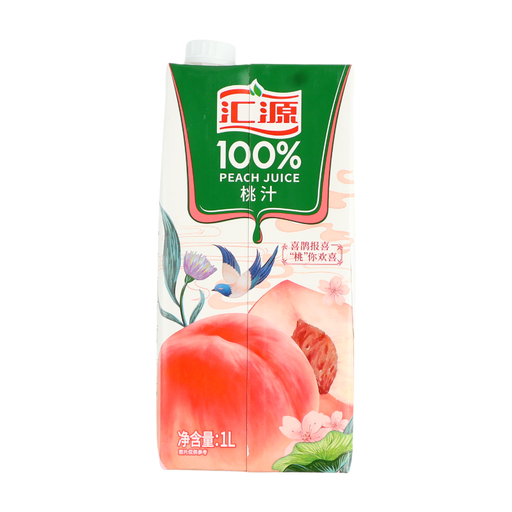
Why this suits the profile: A 1-litre bottle is ideal for serving chilled at home with meals or for pouring several glasses.
The product information lists peach pulp and concentrated peach juice, so you’re not relying solely on the fruit flavour on the front label.
1 litre volume; 43 kcal and 10 grams of sugar per 100 ml according to the stated nutritional values; serve chilled.
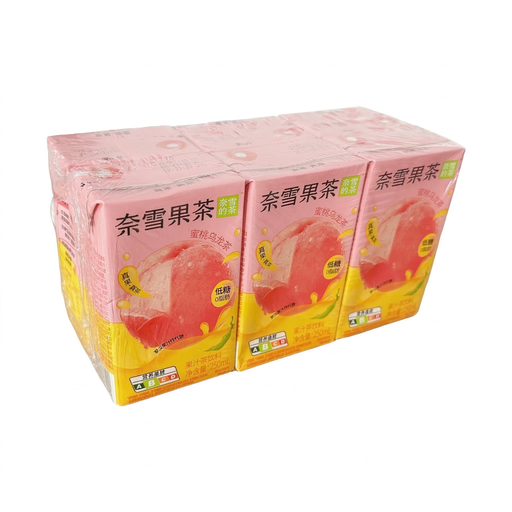
Why this suits the profile: Ideal for anyone looking for a combination of fruit and tea in evenly sized portions for home, work or guests.
The stated composition mentions Baiya Qilan oolong tea and at least 10% fruit juice, so the fruit and tea base is more clearly specified.
6 bottles of 250 ml; 20 kcal and 4.8 grams of sugar per 100 ml according to the product information; ready-to-drink oolong tea.
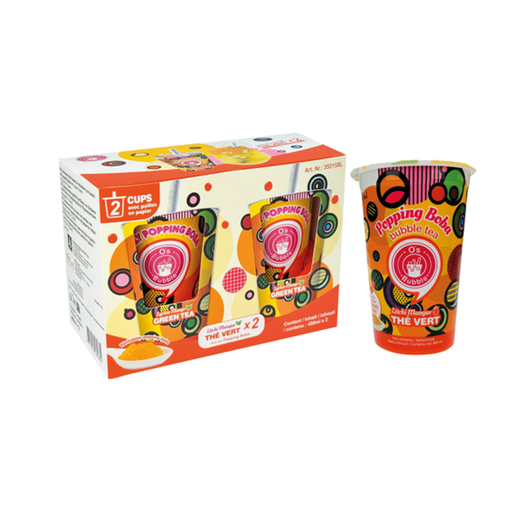
Why this suits the profile: For anyone who wants bubble tea with boba without having to mix tea, syrup and toppings themselves. The twin-pack is handy for sharing or trying both flavours.
The product description explicitly mentions popping boba with lychee and mango flavour and states that no preparation is needed.
2 cups of 480 ml; ready-to-drink; includes straws and two fruit varieties according to the product description.
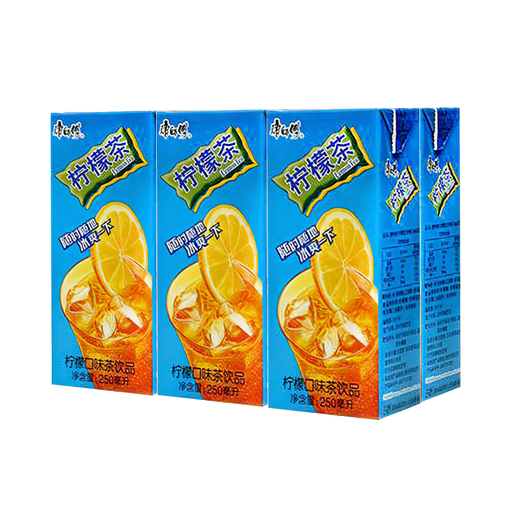
Why this suits the profile: A multipack with small portions is ideal for lunches, meals and guests when you don’t want to open a large bottle straight away.
The total volume and serving size are clear upfront: 6 cartons of 250 ml, making 1.5 litres in total.
Classic lemon tea; 38 kcal and 9.5 grams of sugar per 100 ml; ready to drink and serve chilled.
We’ve put together a full, up-to-date list of products that fully meet these strict selection criteria and comply with current European safety regulations.
Multipacks with 250 ml portions are practical for a table or buffet. For variety, you could combine lemon tea, oolong tea and an Asian fruit drink. Bubble tea with boba stands out more as a treat, but check the milk ingredients and the recommended storage time after opening beforehand.
This varies by product. The product information states times of 24 hours, three days or three to five days. Store opened bottles and cartons in the fridge, seal them well and always follow the instructions on the packaging. The date on the label of the product you receive is the one to follow.
Not always. Divide the price by the total number of millilitres and then also compare the serving size. A multipack can be cost-effective if you regularly drink the same beverage. For a first try, a single bottle or a smaller pack can help avoid waste.
