
Vandaag of morgen in huis

Kwaliteit gegarandeerd

Welkomstaanbiedingen ontgrendelen: GRATIS bezorging | Tot 80% korting | Gratis 30 dagen JoyPlus-proefperiode
Download de app
Asian drinks are hugely popular among fans of Japanese and Chinese beverages, Korean drinks, Thai flavours and innovative combinations like bubble tea. Yet comparing them online isn’t always straightforward. A striking package tells you little about the ingredients, and terms like “light”, “fruity” or “natural” can give an incomplete picture.
If you’re buying Asian drinks online, it pays to focus on the nutritional label, the volume per pack and the storage instructions. That way, you can avoid a multipack that’s too big, a drink that contains more sugar than expected, or a unique flavour that ends up languishing unused in your cupboard.
A drink can taste of grape, peach, lychee or lemon without containing a high proportion of fruit juice. So always check the ingredients list and, if stated, the percentage of fruit juice. In some tea-based soft drinks, the fruit flavour comes mainly from concentrate and flavouring.
A sugar-free drink may contain sweeteners such as sucralose, stevia or erythritol. That can be appealing if you’re looking to cut down on sugar, but the taste is different from regular soft drinks. So read both the ingredients and the nutritional information table.
A 500 ml bottle of aloe vera drink is handy for individual use. A pack of 6 cans or 12 cartons of coconut water is better suited to a household, a catering business or a party, but it needs more storage space. Also pay attention to the shelf life and how long an opened product must be kept refrigerated.
Always compare nutritional values per 100 ml. That makes it easy to compare a 500 ml bottle, a 340 ml can and a 250 ml multipack fairly.
As a guide, you can look at:
If you’re making a conscious choice, you can compare a sugar-free drink with a regular iced tea or fruit drink. Don’t just look at the front of the packaging.
Check whether the product contains milk, soya, nuts or other allergens. Bubble tea and creamy teas in particular can contain milk-based ingredients. The RICO Bubble Red Tea Drink, for example, lists milk components including milk powder and sodium caseinate.
For a drink with special ingredients, such as aloe vera gel, oolong tea or coconut water, it’s useful to check the quantity. The OKF Strawberry Aloe Vera Drink states 22% aloe vera juice and 8% aloe vera gel. The OKF Lychee Aloe Vera Drink states 21% aloe vera juice and 9% gel. That helps you compare different varieties without relying solely on the flavour name.
When ordering online, pay attention to:
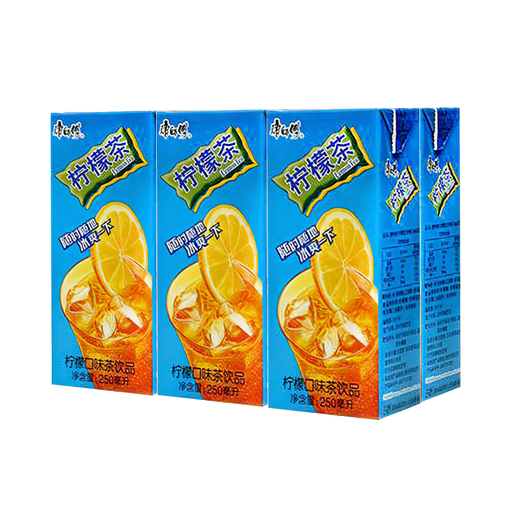
Why it fits this profile: This multipack contains six 250 ml portions and offers a familiar combination of black tea and lemon. That makes it an easy choice for anyone trying Japanese and Chinese drinks for the first time.
The volume, portion size and nutritional values are clearly stated: 38 kcal and 9.5 grams of sugar per 100 ml. So you know exactly what you’re buying.
Ready-to-drink, six 250 ml packs and suitable for serving chilled.
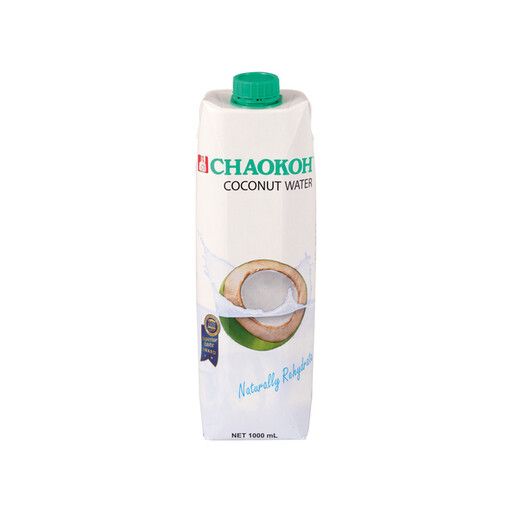
Why it fits this profile: If a short ingredients list matters to you, this product contains only coconut water. The 1 litre pack is ideal for home use and meals.
The product information states no added sugar, preservatives or artificial additives. However, always check the physical label before purchase.
100% coconut water, 1 litre volume and, according to the product information, can be stored unopened outside the fridge.
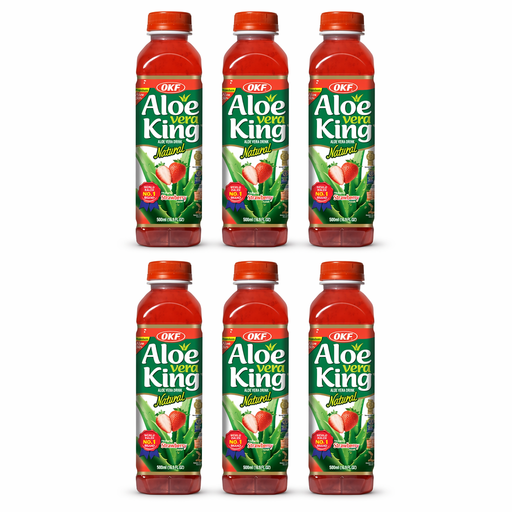
Why it fits this profile: The box of six 500 ml bottles is practical for a party, a shared stock or a catering business where multiple servings are needed.
The product variant and quantity are clearly specified. What’s more, the label lists the ingredients, including aloe vera juice, aloe vera gel and sugar.
Six 500 ml bottles, strawberry flavour and, according to the product information, none of the 14 main EU allergens.
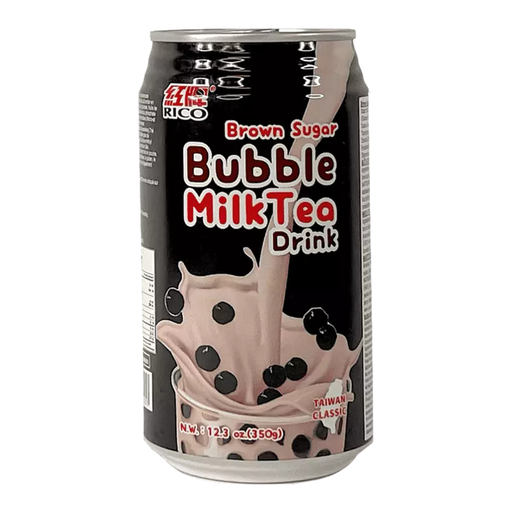
Why it fits this profile: This ready-to-drink bubble tea combines black tea, brown sugar, milk components and chewy pieces in one 340 ml bottle.
The nutritional values and allergens are listed: 46 kcal, 8.2 grams of sugar and 1 gram of fat per 100 ml. So the sweet, creamy composition is clear upfront.
Ready to drink, 340 ml per bottle and a clear mention of milk as an allergen.
We’ve put together a full, up-to-date list of products that fully meet these strict selection criteria and comply with current European safety regulations.
That varies from product to product. The Sweet16 Green Grape Ade Zero Sugar states 0 grams of sugar and 2 kcal per 100 ml and uses sweeteners. Some oolong and fruit tea varieties also contain less energy than regular iced tea, but they may still contain sugar or sweeteners. So always compare the label per 100 ml.
Follow the specific product label. Many drinks need to be kept in the fridge after opening and consumed within 24 hours. Some coconut water products state a longer period. Seal the packaging properly and always check the instructions on the physical label.
A multipack can be practical if you drink them regularly, are hosting a party or need stock for a catering business. However, do compare the price per litre and check the best-before date. For a first taste of a new flavour, a smaller pack is often wiser than going straight for a large box.
