
Vandaag of morgen in huis

Kwaliteit gegarandeerd

Welkomstaanbiedingen ontgrendelen: GRATIS bezorging | Tot 80% korting | Gratis 30 dagen JoyPlus-proefperiode
Download de app
Buying Asian drinks might seem straightforward, but the range varies enormously. Whether you’re after a fizzy Japanese Ramune, a Korean pouch drink, a bubble tea with chewy bits, or a multipack of soft drinks for the house, flavour, ingredients and packaging size matter far more than flashy marketing claims.
This buying guide will help you compare Asian soft drinks, Asian iced teas, herbal teas, kombucha and tropical fruit drinks in a practical way.
Words like “tropical”, “muscat” or “mango” mainly describe the flavour you can expect. So always check how much fruit juice or tea extract has actually been added. For example, Jardin Muscat Ade contains just 1% lemon concentrate according to the product information, while the drink is mostly water, sugar and sweeteners.
The same goes for Japanese Ramune – the fruit flavour may come from aromas. HATA Lychee Ramune lists carbonated water, sugar, glucose syrup, citric acid, lychee flavouring and colouring on its label.
A ready-to-drink tea may contain black tea extract, whereas a herbal tea is based on a blend of plants. Jia Duo Bao, according to the product description, contains a mixture of nine herbs, including chrysanthemum, liquorice and honeysuckle. That makes it a very different choice from, say, Master Kong Lemon Black Tea, which states 1% instant black tea.
With kombucha, fermentation is part of the production process. Nexba Kombucha Mango and Mixed Berry are made with naturally fermented kombucha and live cultures, according to the product information. This product description is not a medical claim: always check the label yourself for ingredients, nutritional values and storage advice.
A multipack of soft drinks is handy for a household, office or catering business, but first check the total volume and the best-before date. A tray of 24 cans takes up more storage space than individual bottles. For a first try, a pack of 200 to 350 ml is often more practical.
Also pay attention to portion size. A drink with 8.5 g of sugar per 100 ml contains around 27.9 g of sugar in a 340 ml bottle. The nutritional information for RICO Bubble Red Tea Drink also lists 46 kcal per 100 ml.
Always read the full ingredients list, especially for drinks containing milk, creamer or coffee. RICO Bubble Red Tea Drink contains milk ingredients and chewy pieces. Caffe Bene Caramel Macchiato includes milk powder and lists milk as an allergen. BTS Iced Coffee Caramel Macchiato contains 75% milk according to the product information.
Many soft drinks and fruit drinks do not list any of the fourteen main EU allergens. Still, always check the actual packaging, because recipes and labels can change. Online product information is not a substitute for the label.
Compare nutritional values per 100 ml rather than per can or bottle. That way you can properly compare an Asian soft drink with an iced tea or kombucha.
A sugar-free iced tea can therefore be a suitable choice if you want to cut down on sugar, but do check which sweeteners are used and whether the flavour suits your taste.
Small packs of 190 to 350 ml are ideal for drinking on the go or as a trial size. A 1.5 litre bottle is more convenient when several people are drinking the same flavour. Cans of 250 or 330 ml are practical for chilling and portion control.
Most of the drinks mentioned should be stored unopened in a cool, dry place away from direct sunlight. Once opened, they should generally be refrigerated and used within the stated period. For products containing milk, such as bubble tea or iced coffee, extra attention to the storage advice is important.
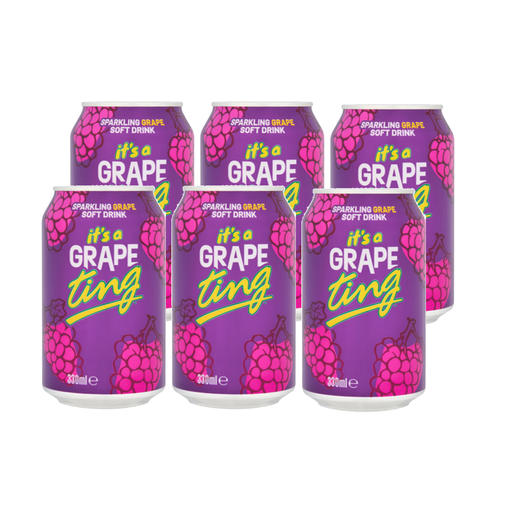
Why this fits the profile: A multipack of six 330 ml cans lets you try a fruity, fizzy flavour without having to order a large tray straight away.
The volume and packaging are clearly stated. It lists 4.4 g of sugar per 100 ml, so you can compare it with other options before buying.
Six 330 ml portions, carbonated and suitable for vegetarians and vegans according to the product information.
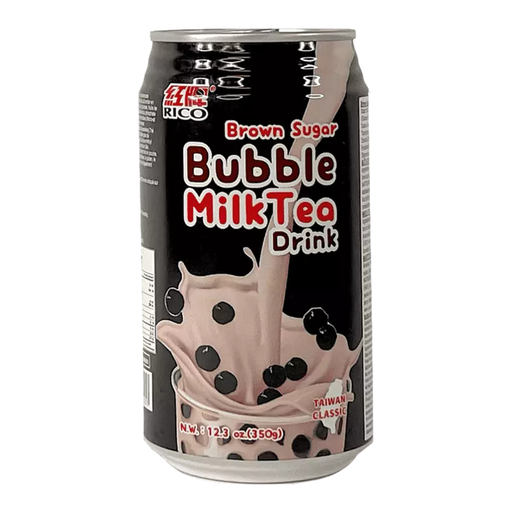
Why this fits the profile: This choice is aimed at fans of a creamy tea drink with brown sugar and chewy pieces, rather than a standard soft drink.
The product information explicitly lists milk as an allergen and states 8.2 g of sugar per 100 ml. That prevents surprises when you order.
340 ml ready-to-drink, with black tea, brown sugar, milk ingredients and chewy pieces.
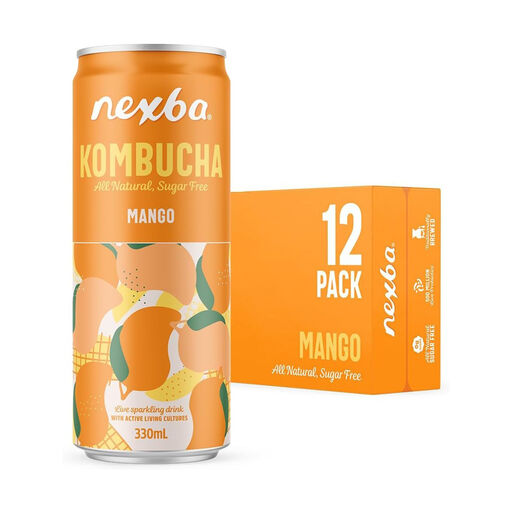
Why this fits the profile: A box of twelve cans is ideal for regular use at home, in the office or in a catering setting where multiple portions are needed.
The packaging states 12 x 330 ml and the nutritional information shows 0 g of sugar per 100 ml. The ingredients list includes erythritol and steviol glycosides as sweeteners.
Mango flavour, carbonated, 12 cans and made with fermented kombucha and live cultures according to the product information.
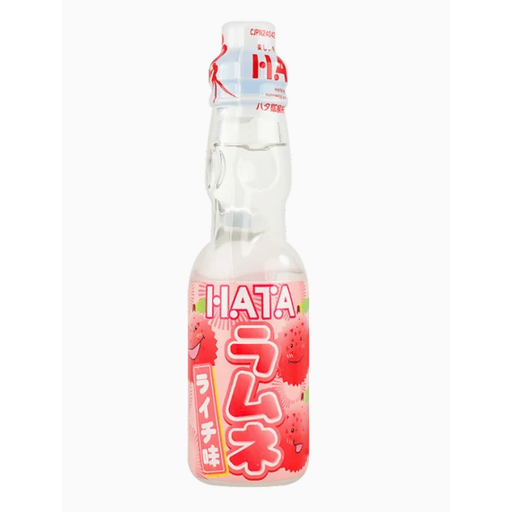
Why this fits the profile: A small 200 ml bottle is perfect for a Japanese dinner night, barbecue or as an individual introduction to Ramune.
The flavour, volume and ingredients are visible before purchase. Do check the full nutritional label on the packaging before buying.
200 ml, carbonated, with lychee flavour and a size that doesn’t take up much fridge or cupboard space.
We’ve put together a full, up-to-date list of products that fully meet these strict selection criteria and comply with current European safety regulations.
Compare the nutritional value per 100 ml. g’woon Peach Ice Tea Zero lists 0.1 g of sugar per 100 ml. Lipton Ice Tea Sparkling lists 0 g of sugar per 100 ml according to the product information. Both use sweeteners. A product without sugar is therefore not automatically free of sweeteners or a particular flavour.
Store unopened drinks according to the label, usually in a cool, dry place away from direct sunlight. Put opened containers in the fridge and consume them within the stated period. For drinks containing milk or milk powder, such as bubble tea and iced coffee, it’s especially important to follow the storage advice on the packaging.
That depends on how much you drink and how much storage space you have. A multipack of six or twelve cans is practical when several people want to drink the same beverage. For a new flavour, a single bottle or small can is wiser. Always compare the price per 100 ml, the best-before date and the total number of portions before you order.
