
Vandaag of morgen in huis

Kwaliteit gegarandeerd

Welkomstaanbiedingen ontgrendelen: GRATIS bezorging | Tot 80% korting | Gratis 30 dagen JoyPlus-proefperiode
Download de app
Buying apple juice might seem straightforward – until you’re standing in front of the shelf or browsing an online selection. Is a bottle of 100% apple juice the right choice, or would an apple fruit drink with less fruit sugar suit your household better? And does “no added sugar” automatically mean a drink is low in sugar? Not always.
As a Joybuy Product Recommendation Officer, I focus on the verifiable information on the label: the fruit content, ingredients, nutritional values, volume and storage instructions. That way, you avoid being swayed by flashy packaging or a vague health claim.
An apple fruit drink or apple juice can be mostly water. So always check the ingredients list and the fruit percentage. A product with 100% fruit content is very different from a fruit drink that contains, say, 10%, 20% or 70% fruit juice.
With an apple-pear juice or apple-pear drink, the ratio between the two fruits determines the flavour. The name alone won’t tell you how much apple or pear is actually inside.
Pure apple juice naturally contains sugars from the fruit. For example, Appelsientje 100% Pure Golden Apple Juice lists 10.3 grams of sugar per 100 millilitres. According to the product information, that drink contains no added sugar – but it is not sugar-free.
Always compare the nutritional values per 100 millilitres. That way, you can see the difference between 100% apple juice, a diluted fruit drink and a light drink with sweeteners.
A 1.5-litre apple juice pack can be practical for a family, but it takes up more space in the fridge. Once opened, apple juice must be kept chilled and used within the period stated on the packaging. For a smaller household, a 1-litre apple juice might therefore be a more sensible size.
Also keep an eye on multipacks. Small cartons are handy for school, work or on the go, but they can work out more expensive per litre than one large bottle.
Use this simple breakdown:
A short ingredients list makes comparison easier. For g'woon Apple Juice - 1 L, the product information states apple juice from concentrate. Bio+ Apple Juice - 1 L lists apple juice as the ingredient and is sold as organic.
With blended drinks, the list can be longer. Oasis Apple Pear, for example, contains water, 12% fruit juice from concentrate, sugar, acidity regulator, caramel colouring, flavouring and vitamin C. That makes it a fruit drink, not 100% apple juice.
Always compare per 100 millilitres, not just per bottle. A 1.5-litre bottle contains one and a half times as much as a 1-litre bottle. Also check:
According to the product information, Van de Boom Apple Juice - 1 L contains 70% fruit, 6.7 grams of sugar and 29 kcal per 100 millilitres. That’s a different product category from a pure apple juice, even though it has a clear apple flavour.
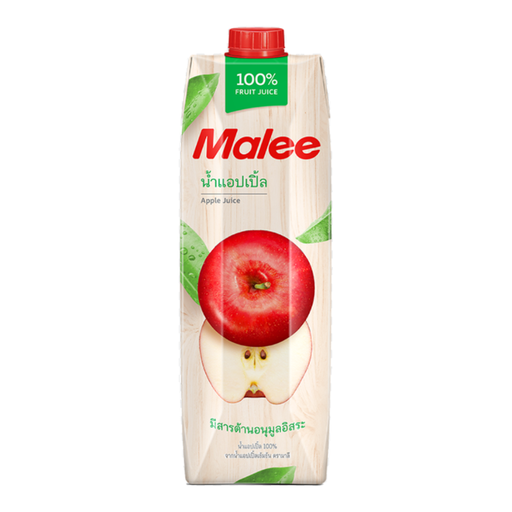
Why this suits the profile: A straightforward 1-litre bottle for anyone who wants to try apple juice without buying a large stock straight away.
The ingredients list only states apple juice from concentrate. This makes it easier to tell the difference from a blended fruit drink.
1 litre volume; according to the product information, 9.8 grams of sugar per 100 grams and no added sugar listed.
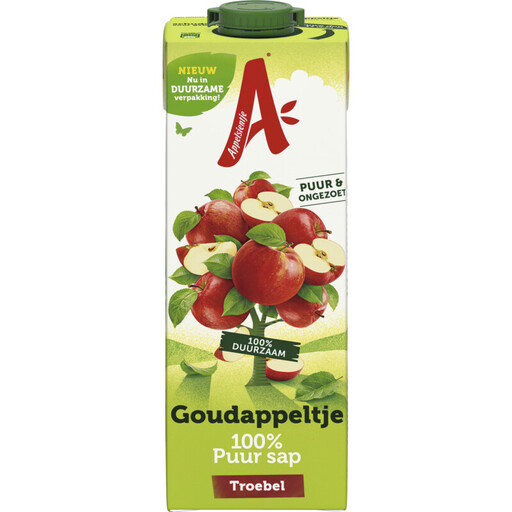
Why this suits the profile: Ideal for anyone looking for a pure apple variety and who likes to compare labels with other 100% apple juices.
The product information states 100% fruit content and no added sugar. The natural fruit sugars are still present.
1 litre; 100% apple juice from concentrate; according to the product information, enriched with vitamin C.

Why this suits the profile: A generous pack for families, guests or households where several glasses are poured every day.
The volume is clearly 1.5 litres and the ingredients list states apple juice from concentrate. Do check the current packaging before purchase.
1.5 litre volume; according to the product information, 10.3 grams of carbohydrates and 9.8 grams of sugar per 100 grams.
We’ve put together a full, up-to-date list of products that fully meet these strict selection criteria and comply with current European safety regulations.
Yes, 100% apple juice can be free from added sugar. It will still contain sugars that occur naturally in apples. Check both the ingredients list and the nutritional values per 100 millilitres.
Store opened apple juice in the fridge and follow the time frame on the packaging. Many products recommend using it within a few days. Seal the bottle tightly and do not use the product if the packaging is bloated, leaking or smells different than expected.
That depends on the price per litre and how much you actually use. A 1.5-litre bottle can be practical for families, while 1 litre takes up less fridge space and is suitable for smaller households. So compare the price per litre and take the shelf life after opening into account.
