
Vandaag of morgen in huis

Kwaliteit gegarandeerd

Welkomstaanbiedingen ontgrendelen: GRATIS bezorging | Tot 80% korting | Gratis 30 dagen JoyPlus-proefperiode
Download de app
Apple juice might seem like a straightforward purchase, but the shelves are lined with different varieties side by side: 100% apple juice, juice drink, apple nectar and apple fruit drink. The packaging might promise a fresh fruit flavour, while the product itself is largely made up of water. What’s more, the terms “no added sugar” and “pure juice” are often confused with one another.
With these practical checks, you’ll be able to see more quickly which product suits your household, when you’ll be using it, and your budget.
Apples naturally contain sugars. An apple juice with no added sugar can therefore still have a significant sugar content per 100 ml. Always check the nutritional information table and look at the figure for “of which sugars”.
For example:
So the claim “no added sugar” mainly tells you something about the ingredients list, not that the juice contains no sugar at all.
Check the percentage of fruit. Appelsientje Goudappeltje Fruit Drink is made from, among other things, apple juice from concentrate, lemon, water and milk components, according to the product information. This product is therefore not 100% apple juice and contains milk as an allergen.
Van de Boom Apple Juice is described as a 70% fruit juice drink with apple, lemon, water and natural flavouring. That can be a suitable choice when you’re looking for a lighter drink, but it’s different from pure apple juice.
A 1.5-litre bottle of apple juice is handy for families, but once opened, the packaging must be kept refrigerated and used within the time stated on the label. If you only drink juice occasionally, a 1-litre bottle of apple juice or a 300 ml carton may be more practical.
So don’t just compare the price per bottle, but also:
The ingredients list gives you clarity quickly. With pure apple juice, for example, “apple juice from concentrate” appears as the main ingredient. Appelsientje Golden Apple Pure Juice is listed as 100% fruit content. With g’woon Apple Juice 1 L, apple juice from concentrate is also listed as an ingredient, according to the product information.
If water, flavourings, milk components or sweeteners appear on the list, you’re dealing with a blended drink. That doesn’t have to be a problem, but the choice should match your expectations.
Use the values per 100 ml to compare products fairly. Pay particular attention to:
The product information for Appelsientje Golden Apple Pure Juice 1.5 L lists 44 kcal and 9.9 grams of sugars per 100 ml. The stated values for Van de Boom are 29 kcal and 6.7 grams of sugars per 100 ml. This comparison helps when you’re looking for a less concentrated apple fruit drink.
Always check the actual packaging before buying. Recipes, nutritional values and contents can change.
Choose the size based on how much you drink:
Also pay attention to storage. According to the product information, unopened packaging should be kept cool and out of direct sunlight. Once opened, apple juice must be refrigerated. You’ll find the exact time on the label.
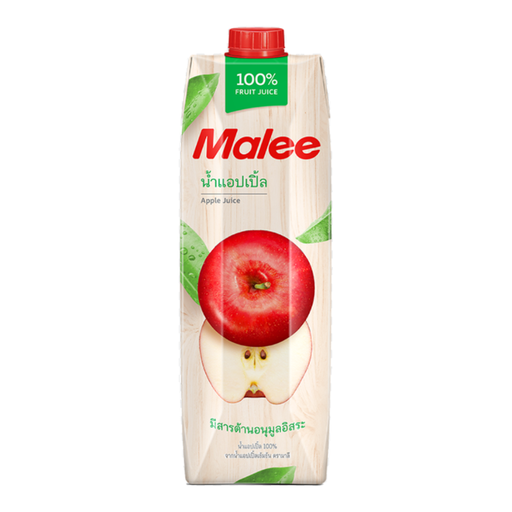
Why this fits the profile: The 1-litre size is manageable, and the ingredients list contains only apple juice from concentrate, according to the product information.
The product information lists no added water, milk components or artificial flavourings in the ingredients.
1-litre size; 9.8 grams of sugars per 100 ml according to the stated nutritional values; none of the 14 major EU allergens listed.
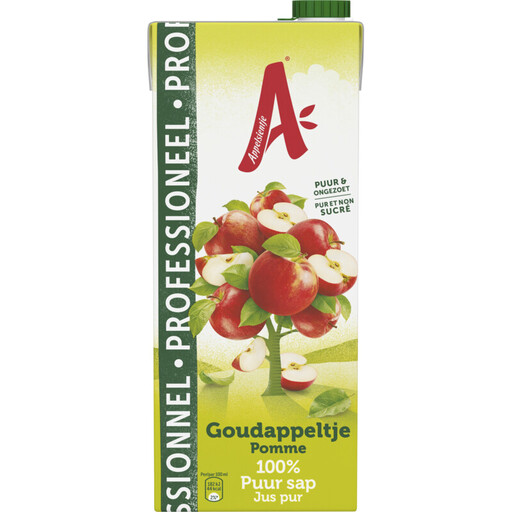
Why this fits the profile: This large pack is aimed at households that want to pour 100% apple juice at several mealtimes.
The label states 100% pure apple juice, with no added sugar and no preservatives, according to the product description.
1.5 litres; 100% fruit content; 44 kcal and 9.9 grams of sugars per 100 ml according to the stated nutritional values.
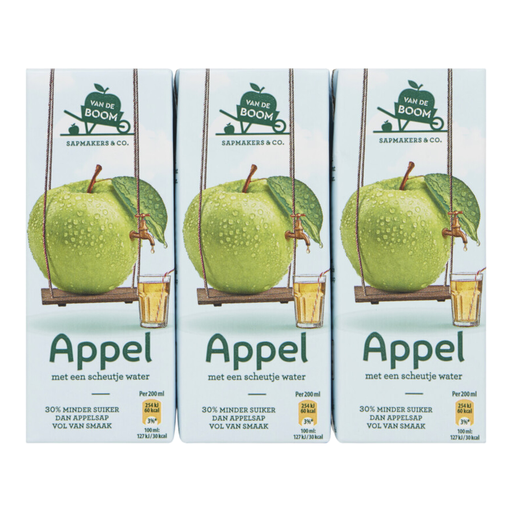
Why this fits the profile: According to the product information, this fruit drink contains 70% fruit and has a lower stated sugar content than the 100% juice varieties mentioned.
The fruit percentage is clearly stated, so you won’t mistake this drink for pure apple juice.
70% fruit juice drink; 6.7 grams of sugars and 29 kcal per 100 ml according to the product data; no artificial sweeteners listed.
We’ve put together a full, up-to-date list of products that fully meet these strict selection criteria and comply with current European safety regulations.
In the product information mentioned, both terms are used for juice with 100% fruit content. Always check the ingredients list and the fruit percentage on the packaging. “No added sugar” does not mean the product contains no naturally occurring sugars.
Store opened apple juice in the fridge and follow the time stated on the label. Seal the bottle or carton tightly. The exact shelf life can vary from product to product.
For regular use, 1.5 litres of apple juice is practical. A 1-litre carton is better suited to a smaller household. For individual use, Appelsientje Goudappel in 300 ml may be more convenient, as you don’t have to open a large bottle.
