
Vandaag of morgen in huis

Kwaliteit gegarandeerd

Welkomstaanbiedingen ontgrendelen: GRATIS bezorging | Tot 80% korting | Gratis 30 dagen JoyPlus-proefperiode
Download de app
Buying an oven may seem straightforward, until you have to choose between a built-in oven, a freestanding oven, a mini oven or a multifunction oven. Marketing copy often emphasises a wide range of programmes, smart features or a large capacity. In practice, though, it’s the dimensions, heating system and ease of cleaning that determine whether an oven is enjoyable to use every day.
An oven with a capacity of 65 or 71 litres sounds spacious, but it’s the internal dimensions that determine whether your baking trays, roasting tin or pizza stone will fit. So check not just the capacity, but also the internal dimensions, shelf positions and maximum baking tray size.
With a built-in oven, you also need to make sure the niche dimensions are right. A standard 60 cm oven is usually around 59.4 cm wide, but the required niche width can vary between models.
An oven with an air fryer function, steam function, microwave function or dozens of automatic programmes can be useful. Do you mainly cook pizza, oven-baked dishes and bread? Then conventional heating, fan-assisted cooking, a grill and a good timer are often more important than a long list of programmes.
Also be wary of claims such as “faster”, “healthier” or “energy-saving”. A brand’s own research may support such claims under specific conditions. Check the technical specifications and instruction manual before drawing conclusions.
A self-cleaning oven doesn’t eliminate the need for maintenance altogether. According to the product description, pyrolysis burns off residue at high temperatures, after which you remove the ash. You may need to take accessories out of the oven first. With hydrolysis, AquaClean or catalytic cleaning, you’ll usually still need to wipe the oven by hand.
A built-in oven fits into a kitchen cabinet for a seamless look. Before buying, measure the niche: height, width and depth. Also check the power rating. The models in this selection, for example, require around 2,500 to 3,600 watts. Have the electrical connection installed in accordance with the installation instructions.
A freestanding oven or mini oven goes on a stable, heat-resistant worktop. Leave enough space around it for ventilation and keep flammable materials away. A freestanding oven is a good choice if you don’t have a built-in niche or need extra baking capacity.
A 65-litre or 71-litre oven can take up quite a lot of worktop space if it’s freestanding. So measure the depth too, and check that the door can open fully.
An electric oven with conventional heating is suitable for classic baking recipes. A fan-assisted oven uses a fan to circulate hot air. This can be useful if you want to bake on several levels, but always follow the recipe or manual for temperature and cooking time.
An oven with a grill is useful for browning and crisping. An oven with an air fryer function uses a specific air circulation system and often a perforated tray. According to some brands’ own research, this can cook food with less oil than traditional deep-frying; the final result depends on the food, quantity and cooking method.
An oven with a steam function can add extra moisture while cooking. According to the product description, the Bosch model below combines hot air and steam. Check that the water reservoir or steam function suits the way you plan to use it.
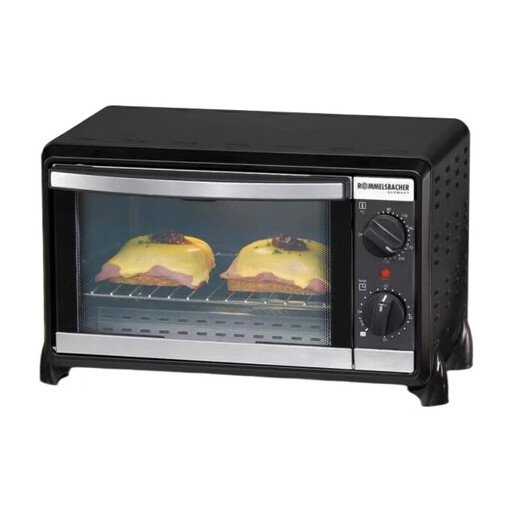
Why it suits this need: With a 10-litre capacity and dimensions of 38.5 × 27 × 23 cm, this compact oven is ideal for small portions, toast and snacks.
Its capacity is clearly defined. You won’t pay for large-family features you’re unlikely to use in a small kitchen.
Conventional heating, temperature control from 80 to 230 °C, a 30-minute timer and a removable crumb tray.
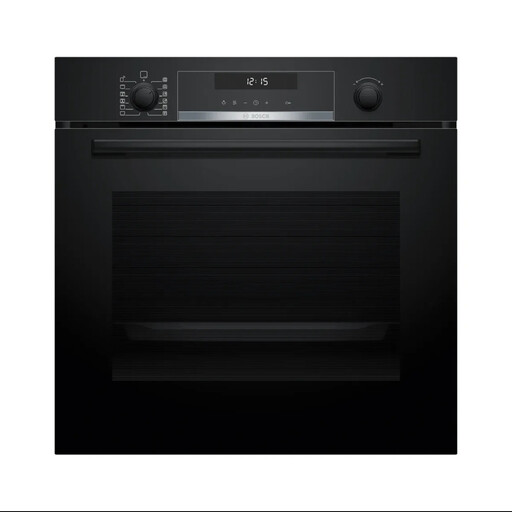
Why it suits this need: This 71-litre built-in oven combines 3D hot air, an air fryer function, Home Connect and pyrolytic cleaning.
The product information gives specific niche dimensions of 56 × 55 cm and a temperature range of 30 to 275 °C. Check these measurements before installation.
71-litre capacity, A+ energy rating according to the product details, telescopic rails and a pyrolysis system.
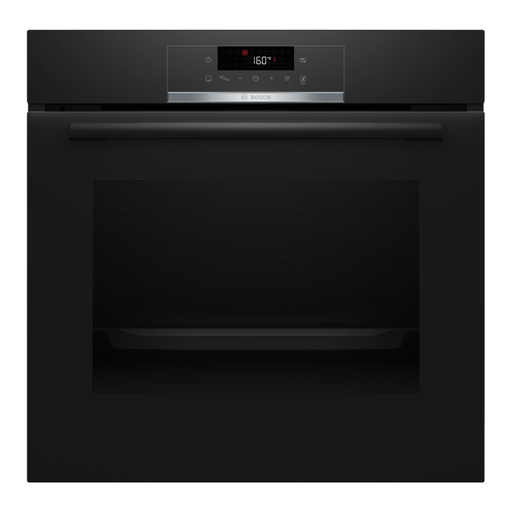
Why it suits this need: For anyone who regularly bakes, roasts and grills, and would like to add extra moisture while cooking.
The features are clearly described: partial steam, 3D hot air, grill and air fryer function. This makes it easier to work out which features you really need.
71-litre capacity, steam function, pyrolysis, telescopic rails and a temperature range of 30 to 275 °C.
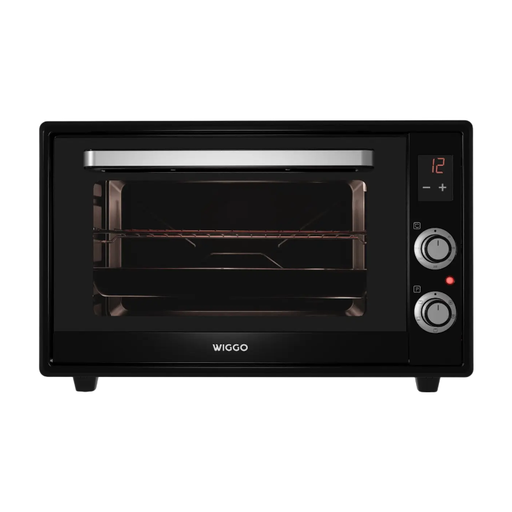
Why it suits this need: This freestanding oven offers a 65-litre capacity for family meals, without the need for a built-in niche.
The dimensions are clearly stated: 60 × 49 × 40 cm. Measure your worktop and allow for ventilation and heat around the appliance.
65-litre capacity, six cooking functions, turbo fan, five shelf positions and a 90-minute mechanical timer.
We’ve put together a complete, up-to-date list of products that meet these strict selection criteria and applicable European safety regulations.
A capacity of 22 to 45 litres may be enough for one or two people. Families often choose 65 to 72 litres, especially if they cook large oven dishes or use several baking trays at once. As well as capacity, check the internal width and the number of shelf positions.
It depends on the power rating, the temperature you choose, the preheating time and how often you use the oven. The energy label and stated consumption per cycle give you a basis for comparison. A higher power rating doesn’t automatically mean higher consumption per use, as insulation, programme length and temperature also play a part.
Lifespan varies by model, how often it’s used and how well it’s maintained. Make sure a built-in oven is installed correctly, keep the ventilation openings clear and remove grease and food residue regularly. Also check the warranty and the statutory consumer rights that apply when you buy.
