
Same-day & Next-day Delivery

Quality Guaranteed

Unlock Your Welcome Offers: FREE Delivery | Up to 80% OFF | Free 30-day JoyPlus trial
Download the APP
When you buy almonds online, you’ll quickly come across dozens of varieties: unroasted almonds, roasted almonds, salted almonds, seasoned almonds and sweet snacks with milk or fruit flavours. The packaging often looks appealing, but it doesn’t always make it clear how much sugar, salt or how many other ingredients you’ll be consuming.
So the key question isn’t just which flavour you like, but what you want to use the almonds for. Are you looking for a supply for breakfast and baking, a small snack for on the go, or a boldly seasoned option for sharing?
Packs of 30 or 120 grams are handy for when you’re out and about, but the price per 100 g may be higher than for 500-gram packs of almonds. Always compare the net weight and price per 100 g. A larger pack is especially practical if you use almonds regularly and can seal it properly.
Seasoned varieties usually contain almonds along with sugar, oil, salt, flavourings and sometimes milk, soya or other ingredients. For example, BT21 Baked Corn Flavor Almond M contains sugar, honey, condensed milk, rapeseed oil and a soya emulsifier. Its nutritional information lists 16.7 grams of sugar and 0.3 grams of salt per 100 grams.
So always check the ingredients list if you’re looking for a sweet or savoury snack. According to the manufacturer’s product information, BT21 Wasabi Almond 30g contains almonds, sugar, wasabi seasoning, condensed milk and soya. The pack also lists 165 kcal and 6 grams of sugar per 30-gram serving.
Natural almonds usually contain very few ingredients, but check that the label lists only almonds. Unroasted almonds haven’t been through the roasting process, while roasted almonds can have a more intense flavour and a firmer, crunchier texture. Natural almonds are often a versatile choice for baking, yoghurt and salads. For snacking, roasted or seasoned almonds offer more flavour.
First, check:
Almonds are tree nuts. If you have an allergy, it’s important to check both the ingredients list and any warning about cross-contamination. Information on the product page may change, so check the physical label when your order arrives too.
Always compare nutritional information on the same basis. A 30-gram serving may seem small, while the product could still be relatively high in sugar or salt per 100 grams.
As a guide, g’woon Almonds Raw & Unsalted lists 591 kcal, 50 grams of fat, 24 grams of protein, 13 grams of fibre and 0.03 grams of salt per 100 grams. The ingredients list contains only almonds. Anatolia Roasted Salted Almonds lists 620 kcal, 54 grams of fat, 21 grams of protein and 1 gram of salt per 100 grams. The main differences here are the added salt and the way the almonds are prepared.
Treat terms such as “healthy nut snack” as general search terms, not a guarantee. The ingredients and portion size determine how a product fits into your diet.
Almonds naturally contain fats and may lose their crunch once opened. Look for:
Natural almonds such as Anatolia Badem Natural 500 gr are a practical choice for breakfast, baking or salads. For a snack, you could choose roasted, salted or seasoned almonds instead.
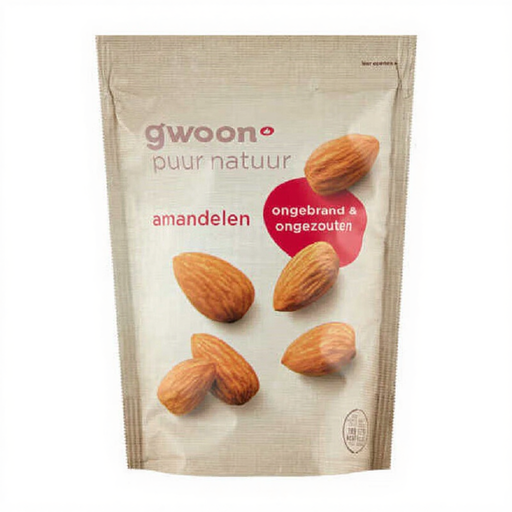
Why it suits this shopper: A simple 200-gram pack for trying natural almonds, without a roasted or seasoned coating.
The product information lists almonds as the only ingredient. That means there’s no hidden sweet or salty coating to factor in.
200 grams, unsalted and suitable for snacking, baking or adding to yoghurt.
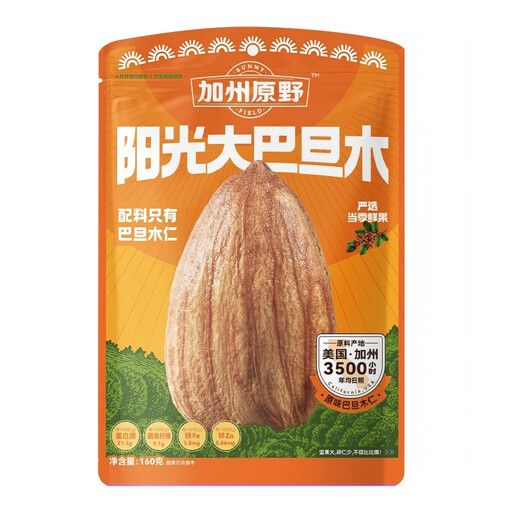
Why it suits this shopper: The product description says these are whole almond kernels and made from 100% almonds. That makes them a good fit if you’re looking for a pure, unseasoned option.
The ingredients list is simple, with no sugar, salt, oil or flavourings. Be sure to check the label when your order arrives.
160 grams, 100% almond kernels and 21.5 grams of protein per 100 grams, according to the product information.
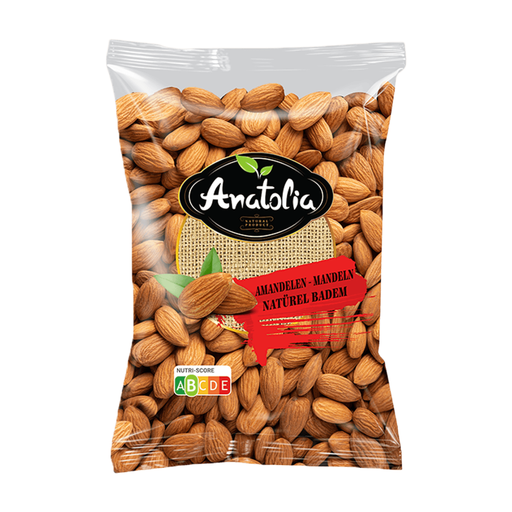
Why it suits this shopper: The large pack is practical if you use almonds in breakfast, baking, salads and as an everyday snack.
The pack states that it contains 100% natural almonds and 0 grams of salt per 100 grams, with no flavour coating.
500 grams, ready to eat and, according to the product information, suitable for baking, yoghurt, desserts and salads.
We’ve put together a complete, up-to-date list of products that meet these strict selection criteria and the applicable European safety regulations.
It depends on the overall ingredients and when you plan to eat them. Unroasted almonds often contain only almonds. For roasted almonds, check whether oil and salt have been added. Compare the nutritional table and ingredients list rather than looking only at how they’ve been prepared.
Follow the best-before date on the pack and store the almonds in a cool, dry place in a well-sealed container. Moisture, heat and sunlight can make them lose their crunch and flavour more quickly. If in doubt, don’t taste them; don’t use a damaged pack.
It depends on the product. Wasabi almonds, milk-flavoured almonds and other seasoned varieties may contain more sugar, salt, oil or sweeteners than natural almonds. So check the portion size and nutritional information. An unsalted variety may be a simpler choice for everyday use, while seasoned almonds or a small portion pack are handy for a change.
