
Same-day & Next-day Delivery

Quality Guaranteed

Unlock Your Welcome Offers: FREE Delivery | Up to 80% OFF | Free 30-day JoyPlus trial
Download the APP
When you want to buy almonds online, the selection can be overwhelming. From pure, raw nuts to snacks with surprising flavours, and from cookies to beverages. How can you be sure you're making the right choice and not wasting money on a product that doesn't meet your expectations? Many products seem healthy but contain hidden sugars or oils. This guide will help you see through the marketing hype and make an informed choice.
Before you fill your shopping cart, it's wise to consider a few common pitfalls:
To avoid a bad buy, it's helpful to pay attention to a few key specifications. These details determine what you're actually getting.
The way the almond is processed has the biggest impact on its flavour and use.
Many almond snacks are flavoured. While this can be delicious, it's good to know exactly what has been added.
The almond is a versatile ingredient. Consider what you want to use the product for. Are you looking for a pure snack, an ingredient for baking, or a ready-to-eat product?
To help you choose, we've highlighted a few products that suit different needs and preferences.
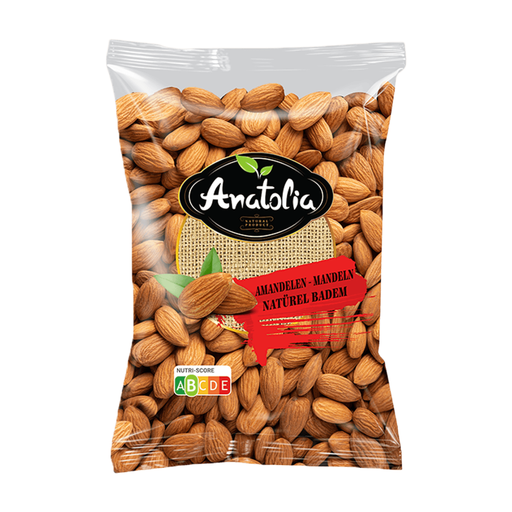
Why This Fits Their Persona: This person is looking for unprocessed, nutritious nuts with no additives. Ideal as a foundation for a healthy lifestyle, to add to yoghurt, salads, or simply as a pure snack.
This product completely bypasses the "healthy snack" pitfall. It contains 100% natural, raw almonds without salt, sugar, or oil. You get exactly what you see.
Contains only natural almonds. The large 500-gram package is practical for regular use in the kitchen or for stocking up on healthy nuts.
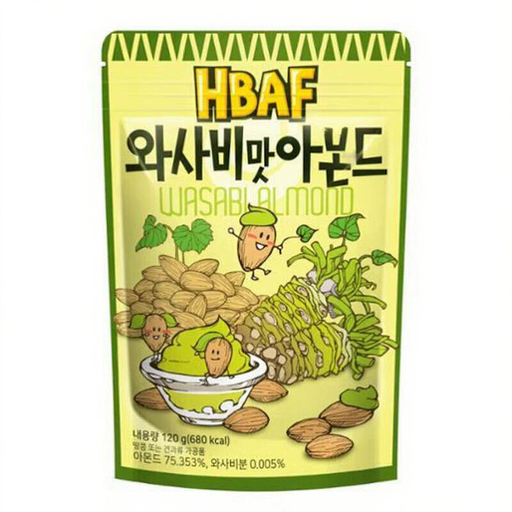
Why This Fits Their Persona: For those seeking a unique flavour experience. These Korean almonds combine the crunchiness of the nut with the sharp, zesty taste of wasabi. A popular choice for drinks or as a surprising snack.
This product is transparent about its identity: it's a flavourful snack, not a pure health nut. The focus is on the unique flavour combination, which is clearly communicated.
Offers a distinct and sharp wasabi flavour that is well-balanced with a sweet undertone. The almonds are high-quality and have a firm, crunchy bite.
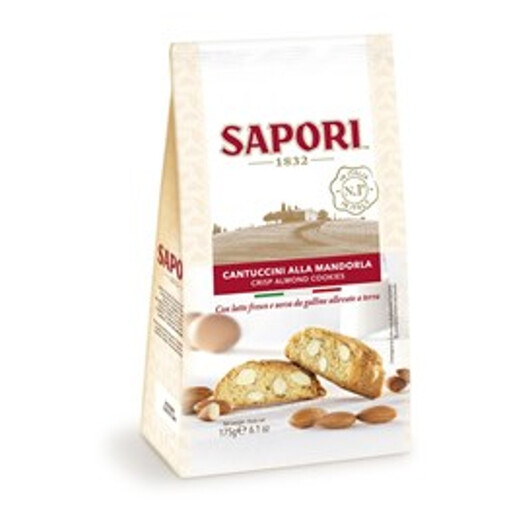
Why This Fits Their Persona: Perfect for lovers of traditional Italian pastries. These cantuccini are specially made for dipping in coffee, tea, or dessert wine, creating a classic moment of indulgence.
This is unmistakably a cookie, not a health product. The ingredients are traditional for baked goods, with a high percentage (20%) of almonds for a rich flavour and texture.
Authentic Tuscan recipe with a PGI certification (Protected Geographical Indication). The cookies are twice-baked for their characteristic hard, crunchy texture.
We have compiled a complete, up-to-date list of products that meet these objective selection criteria and current regulations.
Raw almonds are unprocessed and have a soft texture and mild flavour. Oil-roasted almonds are fried in oil, which makes them crunchier and more flavourful, but also higher in fat. Dry-roasted almonds are heated without oil, which also provides a crunchy texture and intense flavour, but without the extra fat from frying.
To keep almonds fresh and crunchy, it's best to store them in an airtight container in a cool, dark, and dry place, like a pantry. Exposure to light, heat, and moisture can cause the oils in the nuts to go rancid, which negatively affects the taste.
Generally, almond snacks with a flavour coating contain more sugar, salt, and/or fat than pure, unprocessed almonds. They are meant as a treat. If you're looking for a healthy nut for daily consumption, raw or dry-roasted almonds without additives are a better choice. Always read the ingredient list and nutritional information table to make an informed decision.
