
Vandaag of morgen in huis

Kwaliteit gegarandeerd

Welkomstaanbiedingen ontgrendelen: GRATIS bezorging | Tot 80% korting | Gratis 30 dagen JoyPlus-proefperiode
Download de app
When you're looking for almonds, you're often faced with a shelf full of choices. One package promises a "natural" snack, while another tempts you with exotic flavours. But how can you be sure you're getting what you want? Many consumers unknowingly fall into a few common traps, ending up with a product that doesn't meet their expectations.
Before you make a choice, it's wise to be aware of these points:
By paying attention to these details, you can avoid disappointment and ensure you buy almonds that truly suit your needs, whether for a recipe or as a snack.
To make the right choice, it's helpful to check two key characteristics. These specifications determine the flavour, texture, and the product's most suitable use.
The way almonds are processed has a major impact on the final product.
Especially with flavoured almonds, the ingredients list is your most important tool.
Based on clear product features and intended uses, we have selected a few options that cater to different preferences.
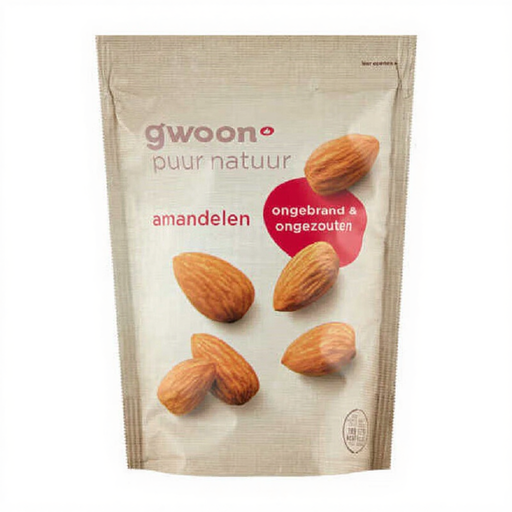
Why This Fits Their Persona: For those seeking the basics: pure, unprocessed almonds. Ideal for home bakers who want full control over salt and sugar, or for anyone wanting to add a handful of pure nuts to yoghurt or salads.
This product is exactly what it claims to be: 100% raw almonds. No hidden sugars, salts, or oils. The ingredients list contains only one item, eliminating any ambiguity.
Complete versatility. You can roast them, salt them, or use them directly in recipes. The pure flavour makes them an excellent base for both sweet and savoury dishes.
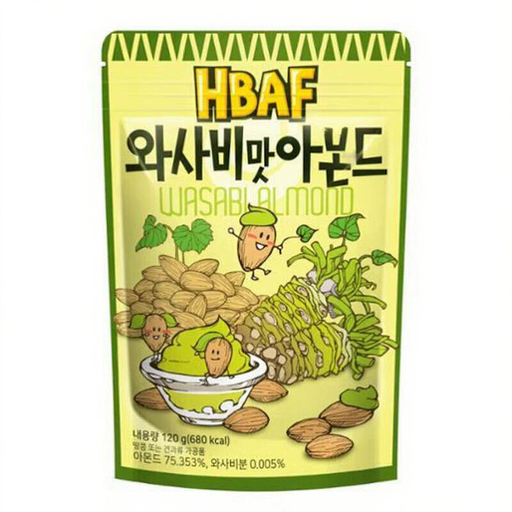
Why This Fits Their Persona: For those tired of standard salt and pepper. These Korean almonds offer an intense and unique flavour experience. The sharp kick of wasabi combined with a sweet coating is perfect with drinks or when you're craving something completely different.
This product doesn't pretend to be a pure health snack. It's a deliberate choice for flavour. The packaging and name are clear about the wasabi taste and sweet coating, so you know exactly what to expect.
A unique and bold flavour combination you won't easily find elsewhere. The almond's crunchy texture is well-preserved under the powdery wasabi coating.
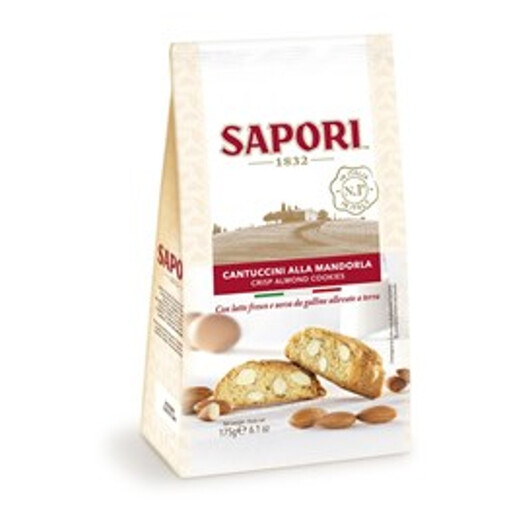
Why This Fits Their Persona: For those who enjoy their almonds in a traditional Italian biscuit. These cantuccini are specially made for dipping in coffee or dessert wine. It's not an everyday snack, but a moment of indulgence.
This product is unmistakably an almond biscuit, not a disguised health snack. The focus is on the authentic, twice-baked method and the quality of the ingredients, not on vague health claims.
Made with 20% almonds and carries the 'Indicazione Geografica Protetta' (IGP) seal, which guarantees its Tuscan origin. The hard, crunchy texture is perfect for dipping.
We have compiled a complete, up-to-date list of products that fully meet these strict selection criteria and Dutch regulations.
1. What is the exact difference between raw and roasted almonds? Raw almonds are unprocessed and have a softer texture. Oil-roasted almonds are fried in oil, which makes them crispier and more flavourful, but also higher in fat. Dry-roasted almonds are prepared with dry heat and are a middle ground: crispy and flavourful, but without the added oil.
2. What is the best way to store almonds? To keep almonds fresh and crispy, store them in an airtight container in a cool, dark, and dry place, such as a pantry. Exposure to light, heat, and air can cause the oils in the nuts to go rancid, which negatively affects the taste.
3. Are flavoured almonds always an unhealthy choice? Not necessarily, but it's important to check the ingredients list and nutritional table. Some almond snacks contain a lot of sugar and salt, while others use herbs and spices with minimal additives. It entirely depends on the specific product. A quick look at the packaging often provides the answer.
