
Vandaag of morgen in huis

Kwaliteit gegarandeerd

Welkomstaanbiedingen ontgrendelen: GRATIS bezorging | Tot 80% korting | Gratis 30 dagen JoyPlus-proefperiode
Download de app
Buying alcoholic drinks online may seem straightforward, but product pages do not always provide the full picture at a glance. For example, a bottle with an appealing flavour description may contain more sugar than expected, while a large pack is not always cost-effective for a small group. Alcohol-free and alcoholic versions are also sometimes displayed within the same product category.
Use this buying guide to compare drinks by alcohol content, volume, ingredients, allergens and occasion. That way, you can find the right option for a barbecue, dinner, party or relaxing evening at home.
Do not compare the price per bottle alone. Also check the number of millilitres and the alcohol content. For example, a 300 ml can of radler is intended as an individual serving, while a 1.5-litre bottle of sangria can provide several glasses. When buying beer, the difference between a single can, a bottle and a box of 24 is therefore important.
A sweet flavour can make a higher alcohol content less noticeable. For example, a ready-to-drink cocktail may contain 12% or 14.9% alcohol, while a radler is around 2%. Always check the stated alcohol by volume, abbreviated to alcohol percentage or ABV.
There are often several versions of sparkling wine and premixed cocktails. Check whether the label says “alcohol-free” or states an alcohol percentage. Alcohol-free wine may be suitable for guests who do not want to drink alcohol, but a product with similar packaging may still contain alcohol.
Also pay attention to allergens. Don Garcia Sangria, for example, contains sulphites. WOORISOOL’s Rice Wine Makgeolli contains wheat and barley, so it is not suitable for people who need to avoid gluten. The product packaging remains the most up-to-date source of information on ingredients, allergens and shelf life.
Use the percentage as your first selection criterion:
When buying cocktails, it is important to distinguish between a ready-to-drink beverage and a base spirit. A premixed cocktail such as De Kuyper Passionfruit Martini contains 12% alcohol and can be served chilled straight away. A spirit is generally intended to be enjoyed in smaller quantities or mixed into a drink.
Choose the packaging to suit the number of people:
A box of 24 beer bottles may offer a lower price per bottle, but it does require enough storage space. Also check whether the product is supplied in cans, glasses or bottles, and whether a deposit or other packaging charge applies.
If you are comparing products carefully, look beyond the flavour name. Grolsch Radler contains, among other things, fruit juice from concentrate and natural citrus flavouring. Bacardi Breezer Passionfruit Mango is a premixed drink with passion fruit and mango flavour. With sweeter drinks, carbohydrates and sugars may be relevant; check the nutritional information per 100 ml.
With international drinks, such as Korean drinks, soju and makgeolli, ingredients and allergens may differ from what you are used to. Makgeolli is made with ingredients including rice, barley and wheat flour. Always read the full product information before placing your order.
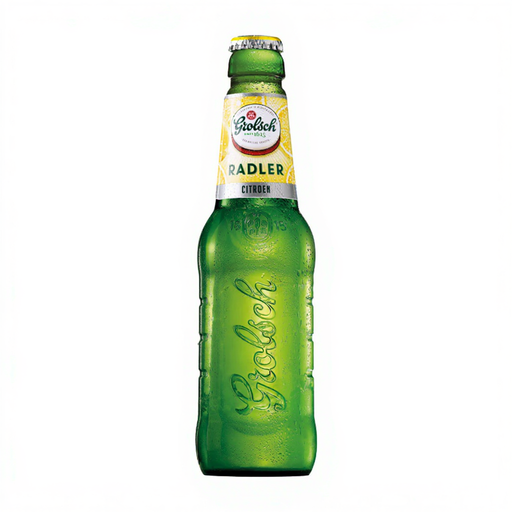
Why it suits this profile: The 300 ml bottle is a manageable choice if you are looking for a low alcohol content and an individual serving without ordering a large pack straight away.
The 2% alcohol content and nutritional values are clearly stated. This means you do not have to rely solely on terms such as “refreshing” or “fruity”.
2% alcohol, 300 ml volume, fruit juice from concentrate and, according to the product information, none of the 14 major EU allergens.
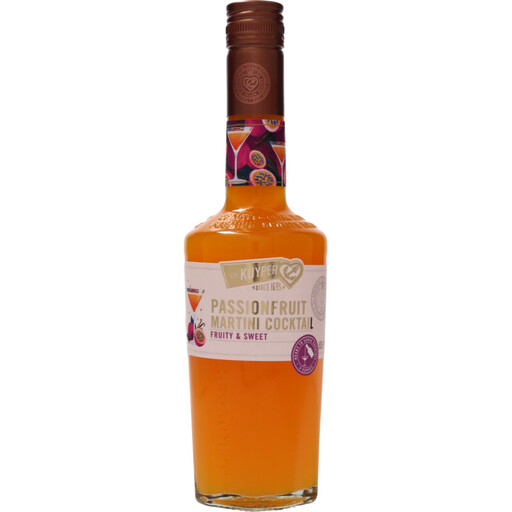
Why it suits this profile: Ideal for a dinner or party when you want to serve cocktails quickly without measuring out individual ingredients.
The 12% alcohol content is stated clearly, so the sweet passion fruit and vanilla flavour does not create any confusion about its strength.
500 ml volume, four stated servings, and can be served from the chilled bottle or shaken with ice.
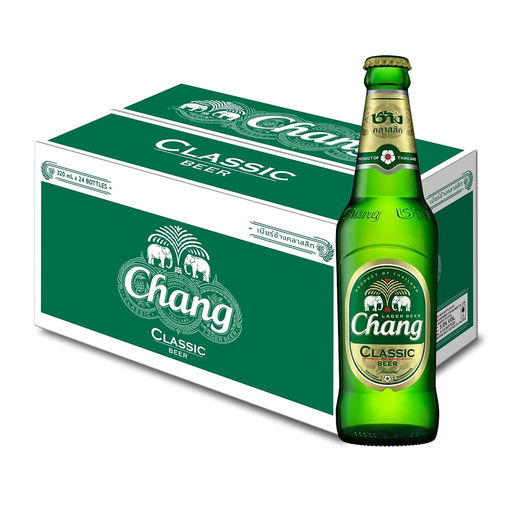
Why it suits this profile: A box of 24 bottles is well suited to larger gatherings, barbecues and meals where several guests will be drinking beer.
The packaging, volume per bottle and 5% alcohol content are clearly specified. This allows you to estimate the total quantity in advance.
24 bottles of 320 ml, 5% alcohol and a product description that pairs the beer with Asian dishes and barbecues.
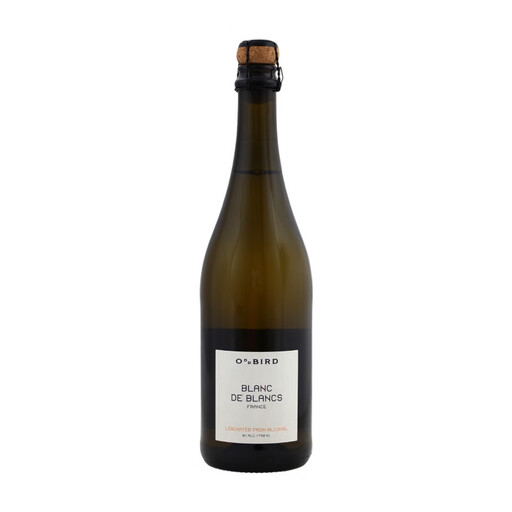
Why it suits this profile: This alcohol-free sparkling wine is intended for celebratory occasions when not everyone wants to or can drink alcohol.
The product description explicitly states that this is a non-alcoholic sparkling wine. Nevertheless, check the label again when it arrives.
750 ml volume, sparkling character and, according to the product information, none of the 14 major EU allergens.
We have put together a complete, up-to-date list of products that fully meet these strict selection criteria and the applicable European safety regulations.
For a mixed group, you can combine alcoholic and alcohol-free options. Consider:
When buying alcoholic drinks, it is wise to consider more than just flavour. Serving temperature, glassware and the quantity per person also matter. Store bottles according to the product instructions, away from direct sunlight and preferably in a cool place. For opened packaging, check the guidance on the label.
Alcoholic drinks are intended exclusively for adults aged 18 and over. Drink responsibly and do not drink alcohol during pregnancy. HeltiQ Alcohol 70% is not a beverage but a disinfectant and must never be consumed.
Check the alcohol content, volume, ingredients, allergens, packaging and shelf life. Also compare the price per litre or per bottle. Check the seller’s age verification process and delivery terms too.
That depends on the number of guests and how much preparation you want to do. A beer multipack is practical for a larger group. Sangria and premixed cocktails are suitable when you want to keep preparation to a minimum. Add alcohol-free wine or an alcohol-free gin and tonic for guests who do not drink alcohol.
This varies by product. Seal the bottle securely and follow the storage advice on the packaging. Sparkling drinks lose their carbonation more quickly after opening. Cream liqueurs and other products containing milk or cream require particular attention to the shelf-life instructions. If in doubt, follow the information on the label.
