
Vandaag of morgen in huis

Kwaliteit gegarandeerd

Welkomstaanbiedingen ontgrendelen: GRATIS bezorging | Tot 80% korting | Gratis 30 dagen JoyPlus-proefperiode
Download de app
Buying alcoholic drinks may seem straightforward, but the range varies considerably in terms of flavour, alcohol content, volume, ingredients and occasion. An eye-catching label or familiar cocktail name does not always tell you enough. If you focus only on the packaging or a discount, you could end up with a bottle that is too strong, too sweet, too small or unsuitable for the occasion you had in mind.
This buying guide helps adult consumers in the Netherlands compare products objectively. You will find practical points to consider, along with a selection for different preferences, from fruit liqueur and advocaat to Belgian speciality beer, ruby port and ready-made cocktails.
A product called “Spritz”, “Mimosa” or “Pornstar Martini” may be a ready-made cocktail, but it could also be a base drink for which you still need prosecco, juice, ice or other ingredients. So check whether the product is ready-to-drink or intended for mixing.
For example, the product description recommends Aperol for a Spritz with three parts prosecco, two parts Aperol, sparkling water and orange. The Stillery Pornstar Martini, on the other hand, is offered as a mixed drink with passion fruit and vodka. These are different buying experiences, despite the similar cocktail context.
The alcohol percentage partly determines how you serve a drink and how much alcohol each glass contains. According to the product information, ready-made Malibu Pear contains 5% alcohol, while Peachtree Blossom Peach Liqueur lists 15%. Port products in the range generally contain 19%, and Delirium Tremens has 8.5%.
Also look out for conflicting information. Pallini Limoncello lists 14.5% in the product title, while the product description states 26% alcohol. If in doubt, always check the label and the latest product information before ordering.
A cream liqueur is not automatically suitable for everyone. Baileys Hazelnut contains milk and milk derivatives; advocaat contains egg; port may contain sulphites; and Belgian speciality beer such as Delirium Tremens contains malted barley and therefore gluten. Check the allergen information, especially when giving a bottle as a gift or buying drinks for festive occasions.
Store alcoholic drinks according to the label: in a cool place, out of direct sunlight and tightly sealed. After opening, check the instructions on the packaging. Cream liqueurs and products containing egg require particular care when it comes to shelf life and storage.
Use the percentage as a practical point of comparison:
The percentage does not just determine the intensity. A sweet fruit liqueur or cream liqueur may taste milder than a dry drink with the same alcohol percentage. Drink responsibly and bear in mind the legal minimum age of 18.
A 500 ml bottle may seem generous, but the number of glasses depends on the serving size. Baileys Hazelnut, for example, states that 10 servings can be made from 500 ml. A 750 ml bottle is practical for sharing at dinner, while a 120 ml ready-made cocktail may be mainly suitable for a single serving occasion.
So do not just compare the price per bottle, but also:
Choose based on the flavour described rather than the brand name alone:
According to the brands’ own product information, flavour and preparation descriptions may vary from product to product. Treat such descriptions as product information and check the bottle for the complete ingredients list.
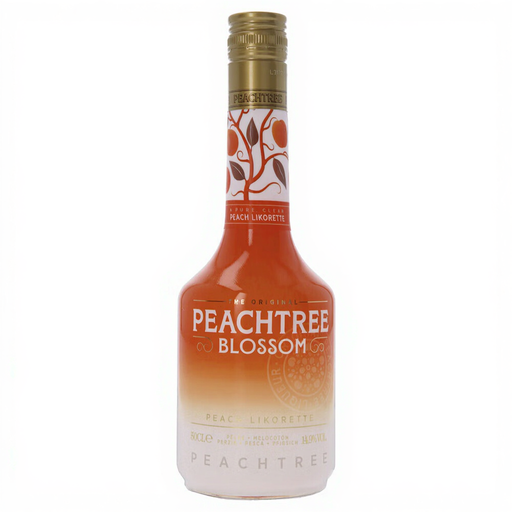
Why it suits this profile: A fruit liqueur with 15% alcohol and a clear use in cocktails. Handy for anyone who wants to mix drinks easily at home without immediately buying a large bottle of spirits.
The alcohol percentage and volume are stated clearly. The product description also specifies which additional ingredients are needed for the suggested cocktails.
500 ml volume, peach profile, 15% alcohol and, according to the product information, none of the 14 main EU allergens.
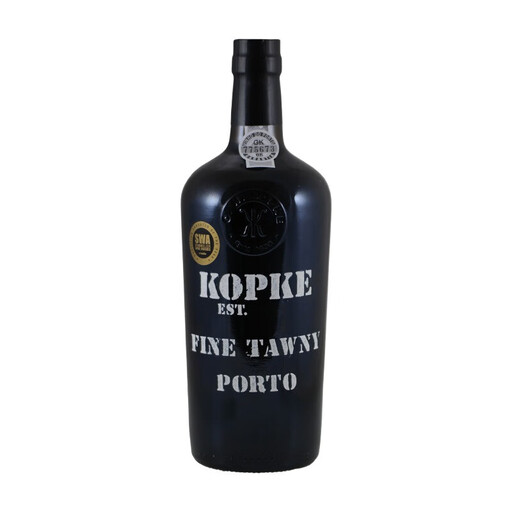
Why it suits this profile: A tawny port for anyone who values provenance, ageing and a more complex flavour profile with dessert or cheese.
The product information describes the grape varieties, a minimum of three years’ ageing and the alcohol percentage of 19.5%. This allows you to compare using concrete details rather than appearance alone.
750 ml volume, Portuguese origin, tawny style and sulphites clearly listed as an allergen.
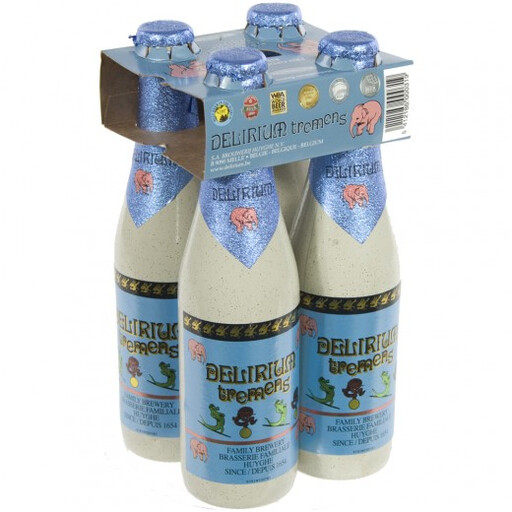
Why it suits this profile: For anyone specifically looking for Belgian speciality beer in a strong blonde ale style, with clear serving advice.
The style, alcohol percentage, volume per bottle, origin, ingredients and serving temperature are all specified clearly.
Four 330 ml bottles, 8.5% alcohol, Belgian origin and a recommended serving temperature of 3–6 °C.
We have put together a complete, up-to-date list of products that fully meet these strict selection criteria and the applicable European safety regulations.
If you want to buy liqueur for a dessert, consider advocaat, cream liqueur or limoncello. Zwarte Kip Egg Liqueur contains 14% alcohol and egg; Delica Original Advocaat lists 8% alcohol and 43% free-range egg products. Baileys Hazelnut has 14.5% alcohol and contains milk.
If you want to buy port to serve with cheese or dessert, you can choose a sweeter wine. Ruby port, such as Sealord Port Ruby or Sabrina Ruby Red Port, is described with notes of red fruit, plum and spices. Tawny port, such as Sealord Port Tawny or Kopke Porto Tawny, focuses more on dried fruit, nuts and caramel.
For an easy-going celebratory occasion, ready-made cocktails are practical. Malibu Pear contains 5% alcohol and can be enjoyed straight from the can or bottle. According to the product information, Don Simon Mimosa combines Cava with orange and is suitable for brunch and light desserts. For each product, check whether chilling or additional garnishing is recommended.
Check the alcohol percentage, volume, ingredients, allergens, storage instructions and any age verification on delivery. Only order if you are 18 or over, and drink in moderation.
According to the product descriptions, both styles have a sweet character. Ruby port is mainly described with ripe red fruit and plum. Tawny port has more notes of dried fruit, nuts and caramel. The choice therefore depends mainly on the flavour you want with cheese or dessert.
This varies from product to product. Keep the bottle tightly sealed, out of direct sunlight and in accordance with the label. The product instructions are particularly important for advocaat and cream liqueur. Always check the best-before information or the recommended period after opening on the packaging.
