
Vandaag of morgen in huis

Kwaliteit gegarandeerd

Welkomstaanbiedingen ontgrendelen: GRATIS bezorging | Tot 80% korting | Gratis 30 dagen JoyPlus-proefperiode
Download de app
Buying alcoholic drinks may seem straightforward, but online you will often find significant differences in flavour, volume and alcohol percentage. Colourful packaging tells you little about the ingredients. A bottle that looks suitable for a party may, in practice, be too sweet, too strong or too large.
With these checks, you can compare liqueurs, cocktails and mixed drinks, beer, cider and international specialities in a practical way. This helps you choose more confidently for drinks with friends, dinner, a barbecue, a cocktail evening or a quiet moment at home. Alcohol is intended solely for adults aged 18 and over. Drink responsibly and do not drive or take part in traffic after drinking alcohol.
Words such as “tropical”, “fruity” or “fresh” mainly describe how a product is positioned. So always check the ingredients, alcohol percentage and any sweeteners. A fruity alcoholic drink may also contain sugar, syrup or fruit juice concentrate.
For a product such as Passoa Festa Passion Fruit Cocktail, the product information states, among other things, that it contains 2% passion fruit juice from concentrate, as well as sugar, flavourings and colourings. This gives you a more specific picture than the name “passion fruit” alone.
An alcoholic drink of 500 ml is not automatically comparable with one of 700 ml. Check the volume first, followed by the alcohol percentage. A 700 ml bottle may be convenient for sharing, while 500 ml may be more suitable for a smaller occasion or when you want to try several flavours.
Percentages also vary within the same product category. According to the product information, Moksha Sparkling Elderflower Cider contains 4.5% alcohol, while Shaoxing Huadiao Wine contains at least 15% alcohol. The way they are served and the occasions they suit are therefore very different.
Ready-to-drink cocktails can usually be served straight away, but check whether chilling or ice is recommended. A premix may be ideal for a party, while a liqueur is more likely to be intended for drinking neat, over ice or as part of a cocktail.
Also pay attention to allergens. Baileys Hazelnut Cream Liqueur contains milk, while Delica Original Advocaat contains egg. According to the product information, WOORISOOL’s Makgeolli contains wheat and barley, and therefore gluten.
Choose according to the occasion, rather than flavour alone. For a light, sparkling option, cider or a lower-percentage premix may be suitable. For cocktails, liqueurs such as Passoa or a ready-made cocktail are more convenient.
Always check the stated alcohol percentage on the product page and the label. For some varieties, the ingredients may differ between packaging or markets. The packaging should therefore be treated as the definitive source.
A 500 ml bottle is often a manageable choice for a smaller group. Baileys Hazelnut Cream Liqueur is listed as 500 ml and approximately 10 servings in the product information. A 700 ml bottle, such as Bacardi Mojito Cocktail, is more convenient when several people want to serve the same drink.
For larger gatherings, a 1.5-litre bottle, such as Don Garcia Sangria, can be practical. Bear in mind that opening, storing and serving the drink chilled can affect its quality. Reseal an opened bottle securely and follow the storage instructions on the label.
Always read the allergen information for cream liqueurs. For fruity cocktails and mixed drinks, also check the sugar, sweeteners and fruit juice content. With international drinks, some ingredients may be less familiar: according to the product information, Choya Plum Wine contains ume plums, sugar, distilled alcohol and water.
If you are looking for Asian alcoholic drinks, you can also consider the production method and flavour profile. Korean soju and makgeolli are not the same: soju is generally clear and stronger or flavoured, while makgeolli is a cloudy, lightly sparkling rice wine. Chinese rice wine, such as Shaoxing Huadiao Wine, can also be used in cooking.
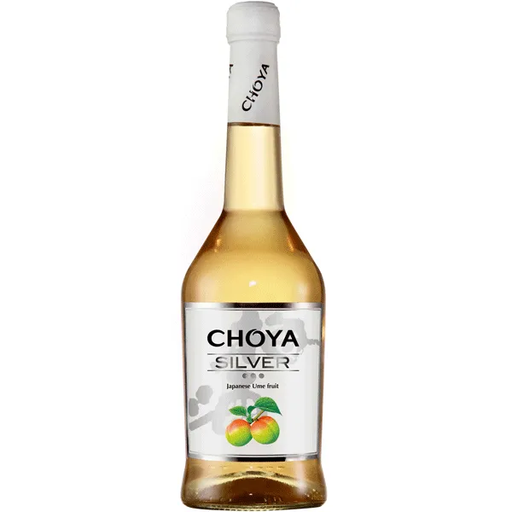
Why it suits this profile: A compact bottle with 10% alcohol and a sweet-and-sour plum flavour. According to the product description, it can be served chilled, over ice or in a cocktail.
The alcohol percentage and volume are clearly stated, so you will not mistake this product for a strong spirit or a large party bottle.
500 ml, 10% alcohol and a short ingredients list containing ume plums, sugar, alcohol and water.
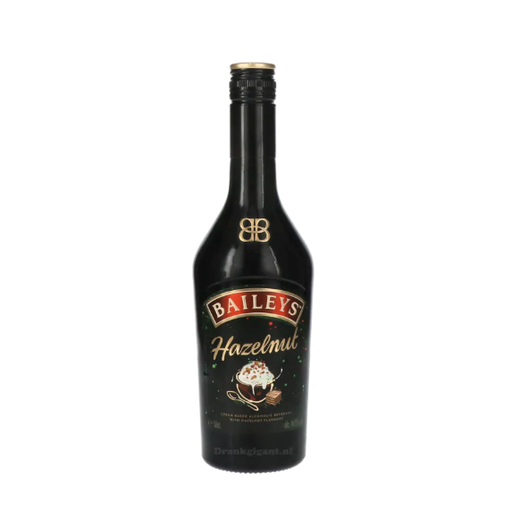
Why it suits this profile: A creamy liqueur for leisurely drinking, served neat, over ice or with dessert, for example. The product information states that it has a roasted hazelnut flavour and 14.5% alcohol.
The product page states the alcohol percentage, serving information and milk allergen. This allows you to check in advance whether the drink is suitable for your group.
500 ml, 14.5% alcohol and a clear warning about milk in the ingredients information.
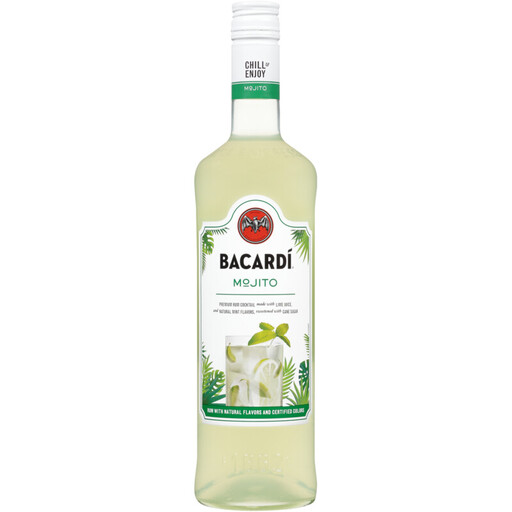
Why it suits this profile: A ready-to-drink cocktail for barbecues, drinks with friends and parties. According to the product description, this mojito should be served over ice; the bottle contains rum, lime juice, cane sugar and natural flavourings.
There is no need to measure out separate quantities of rum, lime, mint and sugar. Check the volume and serving instructions beforehand, however, to make sure the bottle is suitable for the number of guests.
700 ml, ready to serve and intended to be served over ice; the nutritional information states 75 kcal per listed serving.
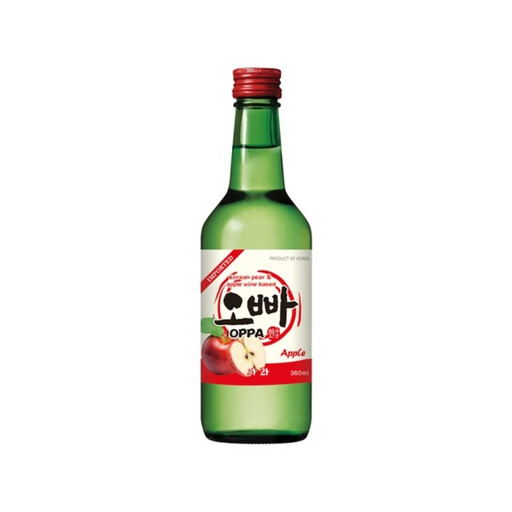
Why it suits this profile: According to the product information, this Korean apple-flavoured soju contains 12% alcohol and is ready to drink. The 360 ml volume is well suited to a small tasting or meal.
The bottle is smaller than many party-sized formats and the alcohol percentage is clearly stated. This helps you avoid unnecessary stock while giving you the chance to try an international flavour with confidence.
360 ml, 12% alcohol and an apple profile; according to the product information, it contains none of the 14 main EU allergens.
We have compiled a complete, up-to-date list of products that fully meet these strict selection criteria and the applicable European safety regulations.
At a minimum, check the alcohol percentage, volume, ingredients, allergens and serving suggestions. Also look at the storage instructions and best-before information on the packaging. For international drinks, it is a good idea to compare the product information with the label.
For a smaller group, 360 ml or 500 ml are often manageable sizes. A 700 ml bottle is practical when several people are drinking the same cocktail or mixed drink. For a larger gathering, 1.5 litres of sangria may be more convenient. Work out how many glasses you will need in advance and do not automatically choose the largest pack size.
Liqueur is generally sweet and concentrated, and is served neat, over ice or in cocktails. A premix or ready-to-drink cocktail is already mixed and usually only needs chilling or ice. Cider is generally made from apples and may be sparkling. The exact flavour, ingredients and alcohol percentage vary from product to product, so always check the label.
