
Vandaag of morgen in huis

Kwaliteit gegarandeerd

Welkomstaanbiedingen ontgrendelen: GRATIS bezorging | Tot 80% korting | Gratis 30 dagen JoyPlus-proefperiode
Download de app
Buying alcoholic drinks online gives you access to far more than standard beer and wine. Think world beers, Japanese whisky and beer, Korean soju, tropical liqueurs, cider, sangria and ready-to-serve cocktails. At the same time, it can be tricky to judge flavour, size and ingredients based on a product photo alone.
For British shoppers, these are the main pitfalls to watch out for:
First, check the alcohol by volume (ABV) and the net contents. This makes comparing much easier. A 700 ml bottle at 15% ABV has a very different use profile to a 330 ml can of beer at 5% ABV.
For a gathering or party, beer packs and multipacks are often the most practical choice. A case of Kirin Ichiban, for example, contains 24 cans of 330 ml at 5% ABV. For a smaller group, a four-pack of San Miguel Especial (4 x 33 cl) might make more sense. Don't just look at the price per pack – also check the price per litre.
The product description can give you a first impression, but the label on the packaging is what counts. Look out for:
For example, El Picu Coconut Liqueur states that it contains milk and has 15% ABV. According to the product information, the liqueur can be served chilled, with ice, in cocktails or in desserts. If you're looking for a dairy-free product, you'll need to skip this one.
Think about what you're buying the drink for. A ready-to-serve cocktail is handy when you need to pour several glasses quickly. A liqueur is more versatile as an ingredient for cocktails or desserts, but may require extra mixers.
Also check the storage advice. Many products need to be kept cool and out of direct sunlight. Refrigeration may be required after opening. For YouLu Coconut & Latte Mixed Wine, for example, the advice is to keep the bottle refrigerated after opening and consume within three days. Always check the best-before information on the packaging.
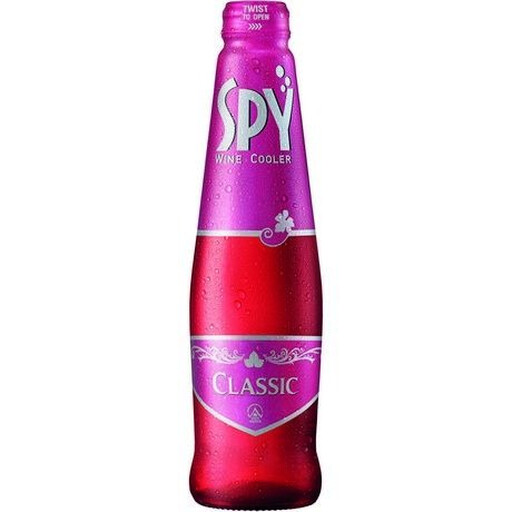
Why this fits the profile: The compact 275 ml bottle is ideal if you want to try a fruity, low-alcohol drink without committing to a large quantity.
The 4% ABV and volume are clearly stated, making it easy to compare with cider or beer.
275 ml per bottle, 4% ABV and, according to the product information, free from the 14 major EU allergens.
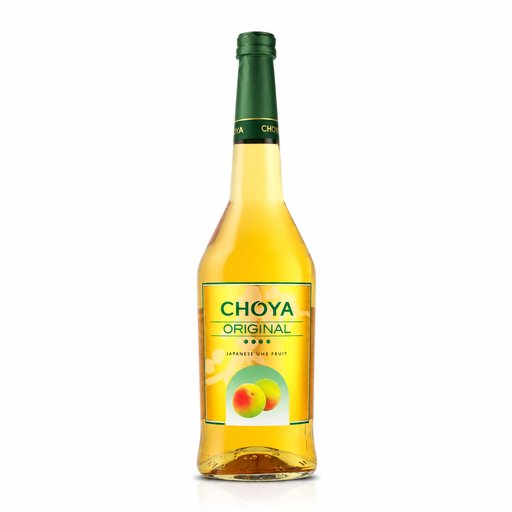
Why this fits the profile: This Japanese umeshu is aimed at lovers of a sweet, fruity drink that can be served chilled, with ice or in a cocktail.
The ingredients are clearly described: ume plums, sugar and distilled spirit. The ABV is 10%.
750 ml volume, Japanese origin and, according to the product information, no artificial colours or preservatives.
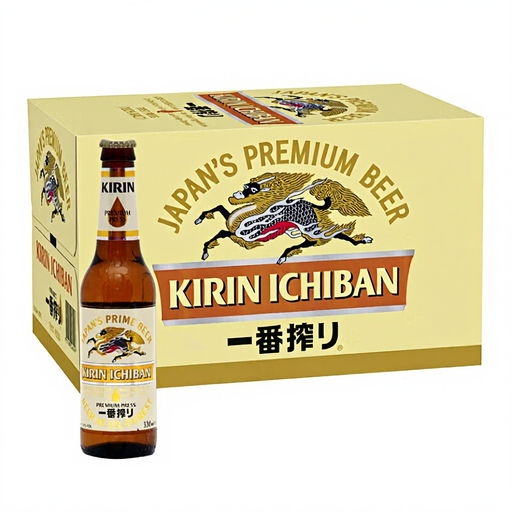
Why this fits the profile: The case of 24 cans is practical for parties, barbecues, stocking up or pairing with Japanese dishes.
The 330 ml portions make pouring and chilling easier than with one large bottle. The ABV is 5%.
24 cans, Japanese lager and ingredients including water, barley malt, hops and rice.
We've put together a full, up-to-date list of products that fully meet these strict selection criteria and comply with current European safety regulations.
If you want to explore international drinks, you can search by region. For Asian drinks, Korean soju, Japanese beer and Japanese whisky are interesting categories. Oppa Soju Mango and Oppa Soju Melon contain 12% ABV and wheat according to the product information – check this if you need to avoid allergens.
For African and Caribbean drinks, Malta Guinness, Supermalt and Old Jamaica Ginger Beer are non-alcoholic options. Do note the difference between alcohol-free and low alcohol. Malta Guinness and Supermalt are malt drinks without alcohol, but they do contain barley. Old Jamaica Ginger Beer is an alcohol-free soft drink that can also be used as a mixer.
For a party, Don Garcia Sangria in 1.5 litres, Apple Bandit Raspberry in a pack of six, and Bacardi Punch as a ready-to-serve cocktail are practical choices. Think about how many guests you're expecting and whether you can keep the drinks chilled.
No. Alcoholic drinks are not suitable for anyone under the age of 18. Age verification may be required when ordering online and upon delivery. Please drink responsibly and observe the legal regulations.
It depends on how you plan to use them. A beer pack or case of 24 cans can be handy for a party and often works out cheaper per unit. Individual bottles are better if you want to try a new flavour first or combine different international drinks.
This varies by product. Seal the bottle properly, store it according to the label and follow any instructions for refrigeration and use after opening. With creamy liqueurs, such as a coconut liqueur containing milk, extra care is needed with storage and best-before information.
