
Vandaag of morgen in huis

Kwaliteit gegarandeerd

Welkomstaanbiedingen ontgrendelen: GRATIS bezorging | Tot 80% korting | Gratis 30 dagen JoyPlus-proefperiode
Download de app
Buying alcoholic drinks online is convenient when you’re after international flavours that aren’t always available in the supermarket. Think Korean soju, Japanese sake, Belgian speciality beers or champagne brut. Yet an attractive product photo doesn’t tell you much about the final purchase. It’s the alcohol percentage, bottle size and serving method that really determine whether a drink suits your dinner, party or gift.
This guide from the Joybuy Product Recommendation Officer helps you compare offers with a clear head. The selection below is based on verifiable data from the product descriptions, such as volume, alcohol percentage, ingredients and recommended serving temperature. Alcoholic drinks are for consumers aged 18 and over only. Drink responsibly.
A bottle with 12% alcohol might taste approachable, but it’s still an alcoholic drink. Flavoured soju with fruit, sugar or sweeteners can also be easier to drink than a dry option. So don’t just look at the flavour name – always check the alcohol by volume (ABV) and the bottle size.
Also compare the number of bottles. Twenty small bottles of Korean soju might seem good value individually, but together they add up to a significant amount. For a small dinner, a single 350 ml or 360 ml bottle may be more practical.
Words like “smooth”, “premium” or “refreshing” aren’t fixed quality standards. Instead, check:
For an organic white wine, for example, you can look at the organic ingredient content and whether sulphites are mentioned. With a champagne brut, “brut” indicates the style, but it doesn’t replace information about the grapes, alcohol percentage and volume.
A 180 ml bottle is ideal for trying a Japanese sake, while a 750 ml bottle is better suited to a dinner or multiple guests. For party drinks, a multipack can be handy, but do check the storage space, total volume and the variety you want.
When it arrives, make sure the seal is intact. Follow the storage instructions on the label and keep alcohol out of reach of minors. Once opened, quality can change more quickly; some products therefore state that they should be kept chilled and consumed promptly.
Use the alcohol percentage as your first filter:
A non-alcoholic gin and tonic, such as Sir James Pink Gin & Tonic, contains no alcohol according to the product information. That makes it a suitable option for guests who don’t drink alcohol, but do check the sugar and calorie content: this product lists 9 grams of sugar and 37 kcal per 100 ml.
Look at millilitres per bottle, not just the price. A 500 ml cocktail bottle can yield at least four servings according to the product description. A 360 ml bottle of Chamisul Grapefruit is more suited to sharing or drinking individually. A 180 ml bottle of sake is practical for a tasting alongside sushi or sashimi.
With a multipack, such as 20 bottles of 350 ml, the total volume is 7 litres. That could work for a larger group, but it’s less sensible if you want to compare different flavours first.
Always check the current packaging. Product information may state that a drink contains none of the 14 major EU allergens, while other drinks may list sulphites, barley or wheat.
Claims about flavour or origin come from the product description and are no guarantee of personal preference. According to the product information for Gustavshof, it is a biodynamically produced Silvaner with fruity and mineral notes. That’s useful product information, but it’s not a medical claim and doesn’t guarantee the wine will suit every consumer.
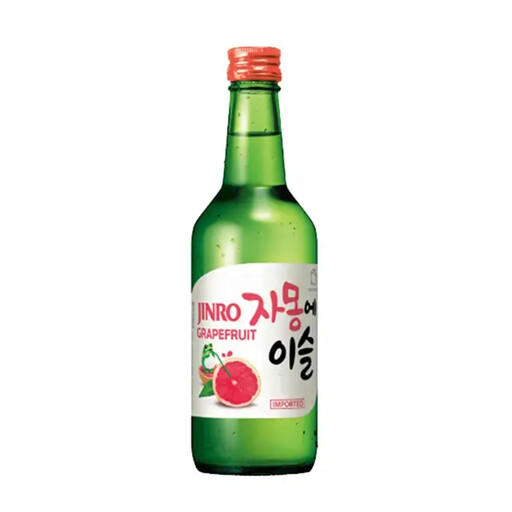
Why this fits the profile: This Korean soju comes in a handy size with a fruity grapefruit flavour. According to the product information, you can serve it chilled, over ice or as a cocktail base.
The 13% ABV and 360 ml volume are clearly stated. This lets you compare the bottle on concrete data rather than just the flavour name.
360 ml; 13% ABV; can be used chilled, over ice or in a cocktail according to the product description.
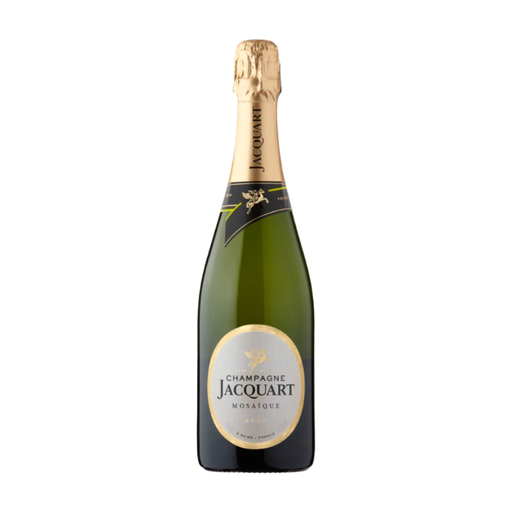
Why this fits the profile: The 750 ml bottle is ideal for a dinner, aperitif or celebratory occasion. The product description mentions green apple, citrus, white flowers and brioche as flavour and aroma notes.
The grape varieties, volume, serving advice and mention of sulphites are all available. This allows you to assess more accurately whether this champagne suits the occasion.
750 ml; 12.5% ABV according to the product name; brut style; suitable according to the description for seafood, canapés and light desserts.
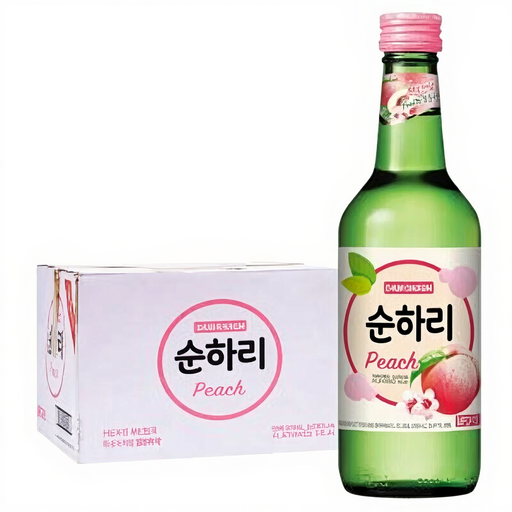
Why this fits the profile: The pack contains 20 bottles of 350 ml, making it ideal for larger gatherings, stocking up or a party with multiple guests.
The number of bottles and the volume per bottle are clearly stated. This lets you estimate the total volume in advance rather than just looking at the price per pack.
20 x 350 ml; 12% ABV; peach flavour; according to the product information, serve chilled, over ice or in cocktails.
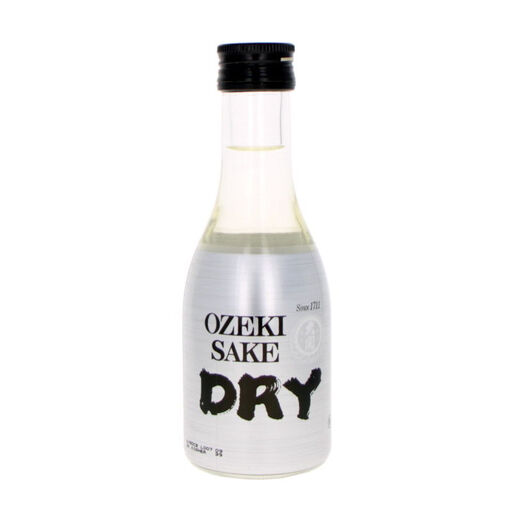
Why this fits the profile: This Japanese sake is a small introductory bottle for enthusiasts who want to try a dry style alongside sushi, sashimi or other Japanese dishes.
At 180 ml, you limit the risk of an unfamiliar sake going unused. The product information also states that the sake can be served chilled, at room temperature or slightly warmed.
180 ml; approximately 14% ABV according to the product information; Junmai style; ingredients: rice, water, yeast and koji.
We’ve put together a full, up-to-date list of products that fully meet these strict selection criteria and comply with current European safety regulations.
For a cocktail evening, you could look at fruit cocktails such as De Kuyper Passionfruit Martini Cocktail 12% - 500 ml. According to the product description, it yields at least four servings and you can serve the bottle chilled or shake it first. If you’re after a stronger Belgian speciality beer, look out for Delirium Tremens 4x33cl: 8.5% ABV, 330 ml per bottle and a recommended serving temperature of 3–6 °C.
For a sweeter introduction to Korean flavours, options include ChumChurum Apple mango soju, ChumChurum Soju Apple and Oppa Peach Soju. Compare the ingredients, as fruit flavouring, sugar and sweeteners can vary between variants. White port, absinthe and champagne brut each have a different serving occasion and alcohol percentage, so don’t simply compare them by bottle price alone.
Yes, online sales to consumers aged 18 and over are permitted. Age verification checks may apply when ordering and during delivery. Also check the product page for alcohol percentage, volume, allergens and storage advice before you order.
That depends on the number of guests and how you want to serve it. A multipack of 20 small soju bottles is practical for a larger group. A 750 ml bottle of champagne is better suited to a toast or dinner. For guests who don’t drink alcohol, you could add a non-alcoholic gin and tonic.
Not always. Compare the price per 100 ml, the number of bottles, the alcohol percentage and any delivery costs. A large pack may seem good value, but it’s only practical if you’ll actually use the full volume.
