
Vandaag of morgen in huis

Kwaliteit gegarandeerd

Welkomstaanbiedingen ontgrendelen: GRATIS bezorging | Tot 80% korting | Gratis 30 dagen JoyPlus-proefperiode
Download de app
Buying alcoholic drinks online is handy when you’re getting ready for a dinner, drinks with friends or a party. You can browse beer, wine, champagne, prosecco, soju, liqueurs, cocktails and sangria all in one place. But an appealing product page can hide important details. A beautiful bottle, for example, tells you little about the alcohol content, serving size or ingredients.
This buying guide helps adults aged 18 and over compare product information clearly. Always check the current packaging and drink responsibly.
Words such as “fresh”, “premium”, “authentic” and “elegant” mainly describe how a product is positioned. They don’t automatically tell you whether you’ll enjoy the taste. So start by checking information you can verify:
If a brand makes a claim about a product’s effects, origin or flavour, treat it as brand messaging. For example, a drink may be described as “refreshing” or “smooth” according to the manufacturer’s product description; this isn’t a universally established judgement.
A 200 ml mini bottle of prosecco may seem like a bargain, but it contains less than a standard 750 ml bottle. To compare prices fairly, work out the price per litre:
price ÷ volume in litres = price per litre
A small bottle can be handy for one person or a picnic. A multipack makes more sense for a party, but only if you’ll use the full amount in time and can store it properly.
Not every product with the word “alcohol” in its name is a drink. HeltiQ Alcohol 70%, for example, is a medical device for cleaning surfaces and instruments, and is expressly not suitable for consumption. So always check the product category, intended use and warnings.
“Low alcohol” also doesn’t mean the same as alcohol-free. According to the product information, Jopen Non IPA contains 0.3% alcohol. That’s different from a drink with 0.0%.
The alcohol content helps you compare products fairly. According to the product information, Grolsch Radler Cider contains 2.0% alcohol, while Sapporo Beer lists 4.7% and Hertog Jan Tripel 8.5%. A cocktail or liqueur may have a higher alcohol content still: De Kuyper Sex On The Beach lists 14.9% and El Picu Coconut Liqueur 15%.
Also consider how much you’ll pour. A 700 ml bottle of liqueur isn’t comparable to a 200 ml mini bottle of sparkling wine. Choose what suits your meal, get-together or party by considering both the percentage and the volume.
Barley, wheat and other gluten-containing grains are common things to look out for in beer. Hertog Jan Tripel, for example, lists barley and wheat; Sapporo Beer lists barley. Sparkling wines and sangria often contain sulphites. According to the product information, this applies to products including Pizzolato Prosecco, Champagne Jacquart and Don Garcia Sangria.
Liqueurs may contain milk, cream, sugar and flavourings. El Picu Coconut Liqueur lists milk and milk derivatives. If in doubt, always check the bottle label, as recipes and packaging information may change.
A 200 ml bottle of prosecco is suitable for a small occasion, while a box of 24 Chang Beer bottles is better suited to a larger gathering. Also check:
For example, the instructions for De Kuyper Sex On The Beach say to refrigerate the bottle after opening and use it within seven days. Careful storage is especially important for cream liqueurs, so always follow the label.
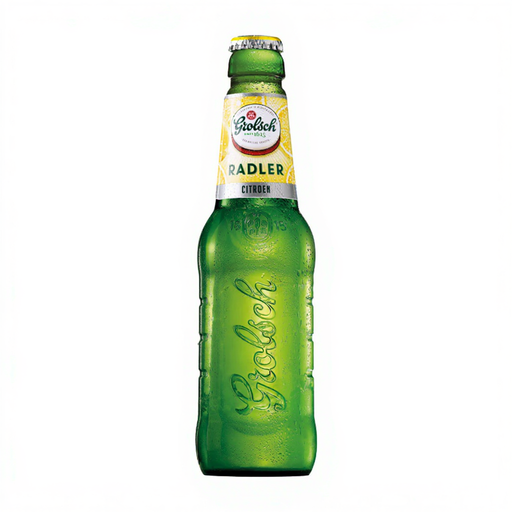
Why it suits this profile: The 300 ml bottle and stated alcohol content of 2.0% make this a straightforward choice for an informal get-together or a first taste of alcoholic mixed drinks.
The alcohol content, volume and ingredients are clearly listed, so you don’t have to rely on the flavour description alone.
300 ml per bottle, 2.0% alcohol and fruit juice from concentrate, according to the product information.
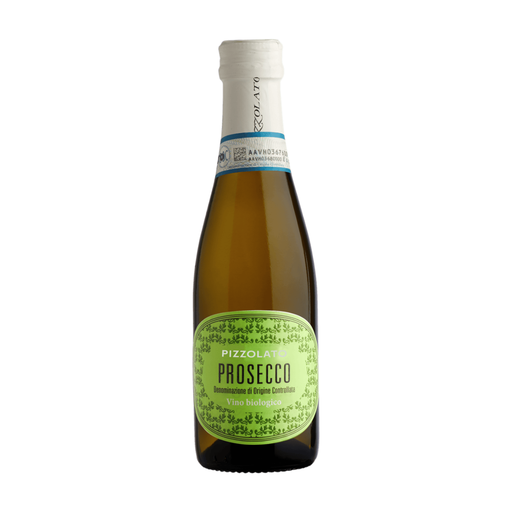
Why it suits this profile: If you’re looking for a small bottle of sparkling wine with a specific origin, this 200 ml serving is a Prosecco DOC from Treviso.
The product page lists the Glera grape variety, 11% alcohol, DOC origin and sulphites, so you can base your choice on concrete details.
Organic and vegan according to the product description, in a compact 200 ml bottle.
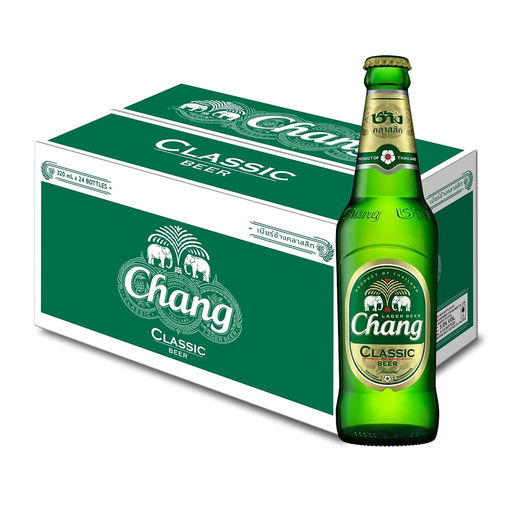
Why it suits this profile: The box of 24 320 ml bottles is practical for a larger gathering, a barbecue or dinner with several guests.
The packaging, volume per bottle and alcohol content of around 5% are listed, making it easier to estimate the total amount in advance.
24 individual bottles, Thai lager according to the product description, and a good match for Asian dishes.
We’ve put together a complete, up-to-date list of products that meet these strict selection criteria and the applicable European safety regulations.
If you’re looking for Japanese and Korean drinks, you can compare options such as Sapporo Beer, Chang Beer, ChumChurum Soju and OPPA Soju. This lets you compare origin and style without relying on the packaging alone.
Yes, age checks apply to deliveries of alcoholic drinks. Only order if you’re 18 or over, and be prepared for a possible ID check when your order arrives. Also check the delivery terms, shipping costs and any deposit information before you pay.
It depends on the price per litre and how much you actually need. A multipack can be handy for a party, while individual bottles help avoid waste. Divide the total price by the total volume to compare offers fairly.
Store unopened bottles according to the label, usually somewhere cool and away from direct sunlight. Seal opened bottles securely. Cream liqueurs and ready-to-drink cocktails may have additional instructions, such as keeping them chilled and consuming them within a certain period. So always check the packaging.
