
Vandaag of morgen in huis

Kwaliteit gegarandeerd

Welkomstaanbiedingen ontgrendelen: GRATIS bezorging | Tot 80% korting | Gratis 30 dagen JoyPlus-proefperiode
Download de app
Buying alcoholic drinks online seems straightforward: you pick a bottle or multipack, compare the price and have your order delivered. Yet product pages can hide important differences. An attractive package, for example, tells you little about the alcohol percentage, the number of servings or the ingredients.
When ordering online, watch out for these three pitfalls:
The alcohol percentage, also known as ABV or alcohol by volume, tells you what proportion of the drink is alcohol. This helps you compare products within the same category more fairly.
If you're looking for a drink for a party, you can combine different categories. Think about beer, sangria, cocktails and premixed drinks, plus a non-alcoholic option for guests who don't drink alcohol.
Don't just compare the price per bottle or can. Also look at:
A multipack of drinks is practical for a barbecue or gathering, while individual bottles are handy when guests want to try different flavours. With international drinks, such as soju or speciality beer, it's wise to order a small quantity first if you don't know the brand.
Check the ingredients list and allergen information for wine, beer and premixed drinks. Sulphites, for example, are found in various wines and sangria. Beer may contain gluten-containing grains, such as barley.
Also pay attention to the storage instructions. Many products should be kept cool, dry and out of direct sunlight. Once opened, a bottle should be sealed properly. Always refer to the packaging for the best-before date, usage instructions and up-to-date product information.
For online purchases in the Netherlands, alcoholic drinks may only be sold to consumers aged 18 and over. Age verification may take place upon delivery. Only order if you are of legal age and drink responsibly.
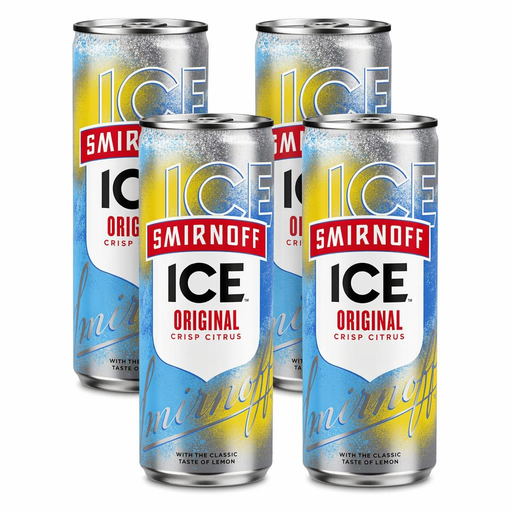
Why this fits the profile: The four-pack offers a manageable size for a first order, a casual evening or a small gathering. The product information states 4% alcohol and 250 ml per can.
The number of units, the volume per can and the alcohol percentage are clearly stated. This makes it easy to compare the format with a single can.
Four cans of 250 ml, 4% alcohol and a citrus profile according to the product description.
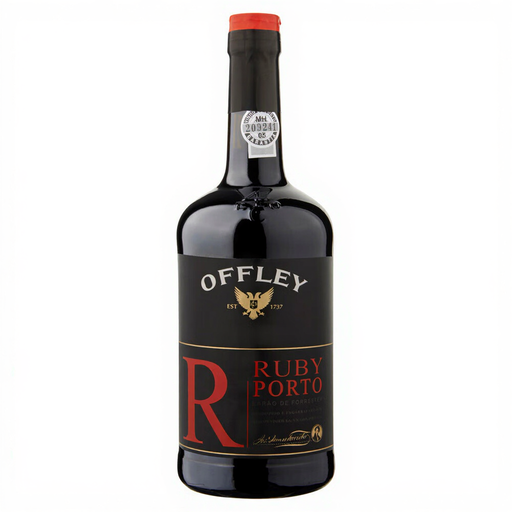
Why this fits the profile: This Portuguese port wine is designed for a more relaxed serving occasion, for example with cheese, dessert or as a digestif. The bottle contains 750 ml and has 19.5% alcohol.
The product page lists the alcohol percentage, volume, ingredients and the allergen sulphites. This means you don't have to rely on flavour descriptions alone.
750 ml bottle, 19.5% alcohol and a sweet, fruity profile with notes of berries and plums according to the product description.
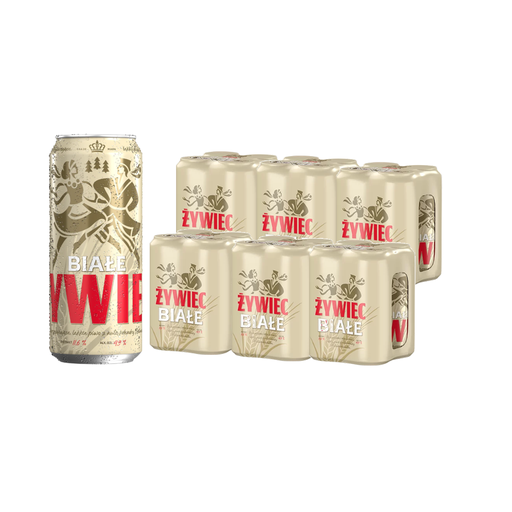
Why this fits the profile: The 24-pack of 50 cl is practical for a larger party, a barbecue or stocking up. The description mentions wheat and barley malt, hops and coriander.
The fixed quantity of 24 bottles and the 50 cl volume make the stock clear in advance. Just check that you have chilled storage and enough space.
24 units of 50 cl and a wheat beer profile with wheat, barley malt, hops and coriander.
We've put together a full, up-to-date list of products that fully meet these strict selection criteria and comply with current European safety regulations.
Your choice depends on the occasion:
Yes, alcoholic drinks can be delivered when the seller and delivery service comply with the applicable Dutch regulations. You must be at least 18 years old. Upon receipt, you may be asked to show a valid ID. Bear in mind the delivery time, shipping costs and any conditions regarding minimum order quantities.
Not necessarily. Divide the total price by the number of cans or bottles and then also compare the price per litre. A multipack can be good value for a party, but a smaller pack prevents waste when you only need a little.
Store unopened bottles and cans according to the label, usually cool, dry and out of direct sunlight. Once opened, seal the packaging properly. For specific products, such as port wine, sangria or cocktails, additional instructions may apply. Always check the product packaging.
