
当日/次日达

品质保障

开启新人专享福利: 全场免邮 | 低至 2 折 | 免费试用 30 天 JoyPlus 会员
下载 Joybuy
Buying alcoholic drinks online is convenient when you’re preparing for drinks, a barbecue or a meal. You can easily compare alcohol content, volume and pack size. However, an appealing product page may hide important details. For example, a 250 ml bottle may seem good value until you compare the price per litre. Taste descriptions are also sometimes presented as fixed product characteristics, even though taste varies from person to person.
With this buying guide, you’ll see what to look out for when buying beer online, as well as speciality beer, international beer, premixed drinks and other alcoholic drinks delivered to your door.
Terms such as “refreshing”, “rich” and “fruity” don’t always tell you enough. That’s why you should check the beer style, alcohol content and ingredients. An IPA beer generally has more pronounced hop notes and bitterness than a lager. A stout beer is often darker in colour, with roasted malt flavours, but its alcohol content can vary considerably.
Taste claims aren’t universal facts. When a brand or product description mentions a particular flavour, treat it as information provided by the seller. Your overall experience will also depend on serving temperature, the dish you’re having and your personal preference.
Products with the same brand name may be offered in different formats:
Don’t just look at the number of units; check the total volume too. For example, a pack of 24 x 330 ml contains 7.92 litres. Also check whether the packaging is glass, a can or another material, and whether a deposit or surcharge is mentioned.
An alcohol-free ginger beer is different from an alcoholic mixed drink containing ginger or rum. Always check the alcohol content and product category. Radlers, fruity beers and ready-to-drink cocktails may also have a lower alcohol content than regular beer, but they aren’t automatically alcohol-free.
Ordering alcohol online is strictly intended for consumers aged 18 and over. You may be asked to verify your age upon delivery. Don’t drink if you still need to drive, and take note of the information on the label.
Alcohol content is usually shown as % vol or ABV. Compare this before combining products. For example, a Guinness Beer at 7.5% is clearly different from a 5% lager or a 2% radler.
A lager or premix may be suitable for relaxed drinks. With dinner, a fuller-bodied speciality beer may pair better with savoury dishes. For a longer gathering, consider choosing different alcohol levels so guests have a range of options.
Check the ingredients list if you need to take allergens into account. Beers made with barley malt often contain cereals containing gluten. Guinness, for example, lists water, barley malt, roasted barley, hops and yeast, and identifies barley as an allergen. Lindemans Kriek also contains barley and wheat, according to the product information.
Some premixed drinks list sweeteners, sugar or flavourings. According to the product description, Don Simon Mimosa contains sulphites. Always check the current packaging, as product information and recipes may change.
Small packs are practical for tasting sessions or when you don’t want to store large quantities. Multipacks are more efficient for parties, but require sufficient storage space. Store alcoholic drinks according to the label: usually in a cool, dry place away from direct sunlight. Avoid significant temperature fluctuations and don’t use a product if the seal is damaged.
After opening, make sure you reseal the bottle or jar properly. Some drinks also state that they should be refrigerated after opening and consumed within the specified period.
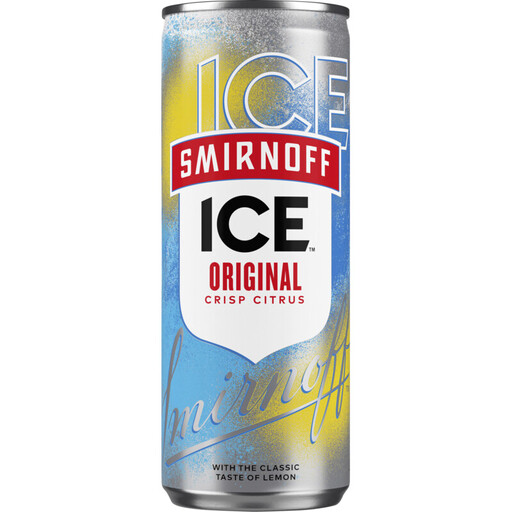
Why it suits this profile: A small 250 ml serving and an alcohol content of 4% make this a straightforward choice for anyone trying a premixed drink for the first time.
The pack size and alcohol content are clearly shown with the product, so you don’t have to rely solely on the name or a general taste description.
4% alcohol, 250 ml per can and, according to the product information, none of the 14 major EU allergens.
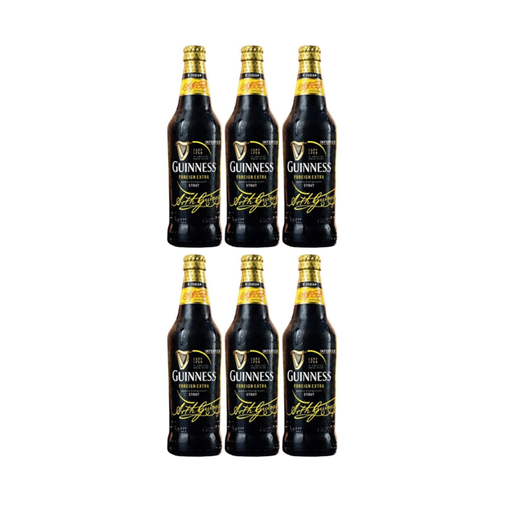
Why it suits this profile: The stout style, higher alcohol content and six-pack are well suited to enthusiasts who deliberately choose a fuller beer profile.
The product information states the alcohol content, bottle volume, stout style and barley allergen. This allows you to make a more informed comparison.
7.5% alcohol, six 325 ml bottles and a defined profile with roasted malt, coffee and chocolate notes.
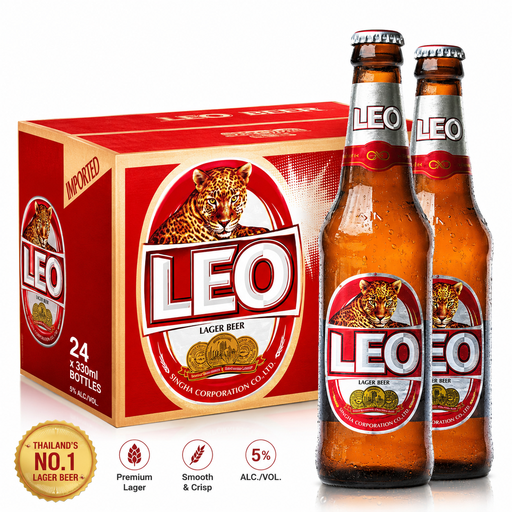
Why it suits this profile: The box of 24 330 ml bottles is designed for parties, barbecues and meals featuring Thai or other spicy dishes.
The number of bottles and volume per bottle are clearly shown, so you can estimate the total quantity in advance and arrange suitable storage.
24 x 330 ml, 5% alcohol and a lager style that, according to the product description, pairs well with spicy Asian dishes, grilled meat and seafood.
We’ve put together a complete, up-to-date list of products that fully meet these strict selection criteria and the applicable European safety regulations.
For an informal barbecue, a Thai beer such as LEO, Singha or Chang, or a light Japanese beer such as Kirin, are practical options. If you prefer more bitterness, consider Brand India Pale Ale. According to the product information, this IPA contains 7% alcohol and is described as having citrus and mango notes.
A 2% alcohol radler, such as Amstel Radler Fruity Cider, is a good choice if you’re looking for a fruitier beer drink. For a celebratory occasion, a ready-to-drink cocktail such as The Stillery Pornstar Martini, Malibu Pear or Smirnoff Ice is easy to serve. Always check the pack size, sugar information and alcohol content of cocktails.
Yes, consumers aged 18 and over can order alcohol online from retailers that carry out age checks. You may be asked to show identification again upon delivery. Only order if you’re old enough, and don’t drink if you still need to drive.
Calculate the price per bottle or per litre. Divide the total price by the number of units, then check the volume per pack. Also look out for any deposit amounts, delivery charges and the difference between a single bottle, multipack and crate.
Shelf life varies from one product to another. Check the date and storage instructions on the packaging. Unopened drinks should generally be stored in a cool, dry place away from direct sunlight. After opening, close the packaging securely and follow the stated consumption period.
