
Vandaag of morgen in huis

Kwaliteit gegarandeerd

Welkomstaanbiedingen ontgrendelen: GRATIS bezorging | Tot 80% korting | Gratis 30 dagen JoyPlus-proefperiode
Download de app
Buying alcoholic drinks online is convenient when you are preparing for a party, drinks gathering or dinner. You can easily compare different flavours, formats and alcohol percentages. However, an appealing product photo can give a misleading impression. A bottle may be smaller than expected, a “cocktail” may consist mainly of sugar and flavourings, and an international drink may contain different ingredients from those you are used to.
Before ordering, therefore, do not only look at the brand and packaging. Pay particular attention to the alcohol percentage, volume, ingredients, allergen information and serving method. This will help ensure your purchase is better suited to the occasion you need the drink for.
A 700 ml bottle may seem suitable for a group, but the number of glasses depends on the serving size and alcohol percentage. A 700 ml ready-to-drink cocktail is not the same as a pack containing several 250 or 330 ml cans.
Always check:
Fruity alcoholic drinks can be crisp and sour, sweet, bitter or lightly sparkling. A product containing passion fruit, raspberry or watermelon will not necessarily offer the same taste experience as fruit juice.
Read the product description and ingredients list. Look out for terms such as sugar, fructose-glucose syrup, sweeteners, fruit juice from concentrate and flavourings. With a premix cocktail, the base is also important: vodka, rum, wine, liqueur or a neutral spirit will each give the drink a different character.
When buying soju, Asian beers or African malt drinks, you may come across ingredients and flavour profiles that are less familiar. Check the allergens on the label. For example, according to the product information, Malta Guinness contains barley, while sangria generally lists sulphites.
Online alcohol sales in the Netherlands are also restricted to adult consumers. Age verification takes place when ordering and on delivery. Keep valid identification to hand when receiving your order if requested.
The alcohol percentage partly determines how a drink should be served and how much you pour. The range includes, for example:
A lower percentage may be more suitable for a long drinks gathering or small cans. For dinner or a cocktail occasion, a stronger drink can be used as a base. Drink responsibly, alternate with water and do not drive or take part in traffic after drinking alcohol.
A 1.5-litre bottle of sangria is practical for a group, but less suitable if you only want to serve one or two glasses. Small 120 or 360 ml bottles are more convenient for individual use or for trying several flavours.
Also check the serving instructions:
Always check the full product information. Imperial Piña Colada, for example, states that the product contains milk and milk derivatives. The ingredients list includes cream, coconut, pineapple juice, sugar and stabilisers, among other ingredients. Barley is listed as an allergen for Malta Guinness.
Nutritional values may also be relevant when comparing different fruity mixed drinks. The figures are usually shown per 100 ml, while a bottle or can may contain several servings. So do not only calculate using the value per 100 ml; take the total volume into account as well.
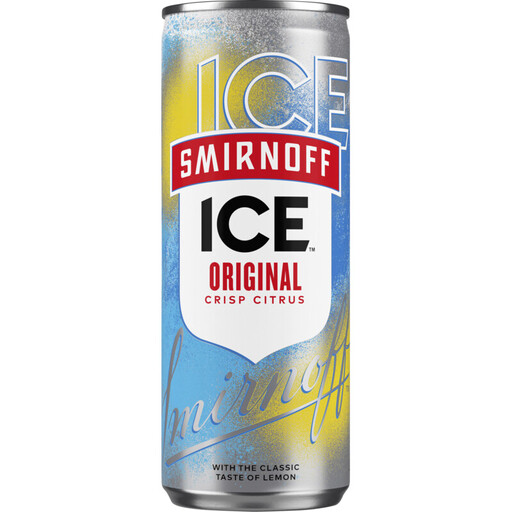
Why it suits this profile: The small can is a straightforward choice when you want to try a refreshing mixed drink without immediately buying a large bottle.
The 250 ml volume and 4% alcohol percentage are clearly stated. This makes it easy to estimate the serving size in advance.
250 ml per can, 4% alcohol and a citrus profile with lime, according to the product description.
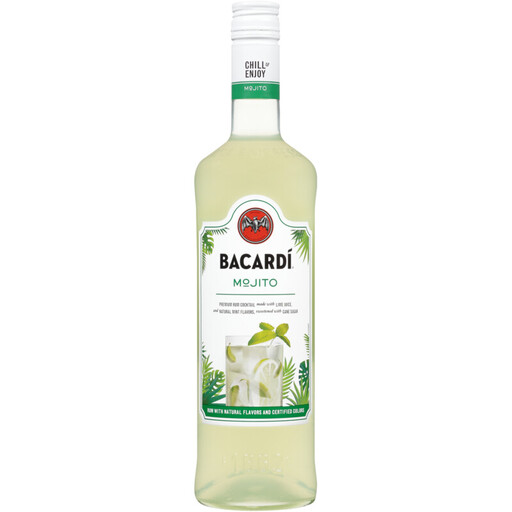
Why it suits this profile: This bottle is designed for anyone looking for a ready-made cocktail for several glasses, without having to measure out separate ingredients.
The bottle volume and 14.9% alcohol percentage are stated clearly. Serve chilled or over ice, and bear in mind that it is stronger than a standard mixed drink.
700 ml, made with Bacardi Carta Blanca rum according to the product description, with lime and mint flavours.
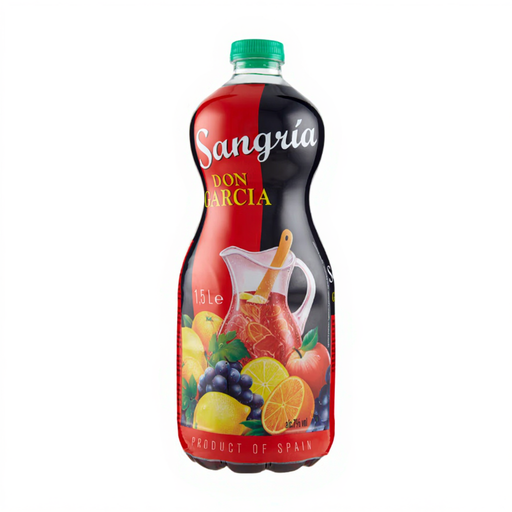
Why it suits this profile: The 1.5-litre volume is ideal for larger drinks gatherings, barbecues and dinners where several guests want to enjoy the same drink.
The volume, 7.5% alcohol percentage and presence of sulphites are stated clearly. This allows you to plan servings, allergens and when to serve it in advance.
Ready-to-drink sangria with red wine, fruit extracts and a volume of 1.5 litres; serve chilled with ice and fruit.
We have put together a complete, up-to-date list of products that fully meet these strict selection criteria and the applicable European safety regulations.
If you are looking for a fruitier profile, consider 7DROPS Soju Lychee 360 ml, OPPA Watermelon Soju 360 ml, Oppa Apple Soju 360 ml or Oppa Grapes Soju 360 ml. According to the product information, these products contain 12% alcohol and are served chilled or over ice.
For a tropical flavour profile, Imperial Piña Colada 700 ml, Bacardi Punch Cocktail 700 ml and Passoa Festa Passion Fruit Cocktail 500 ml are possible options. Always check the allergen information for creamy varieties.
Prefer beer, cider or an alcohol-free option? LEO Beer 330 ml contains 5% alcohol, Moksha Sparkling Elderflower Cider 750 ml contains 4.5%, and Malta Guinness Malt Drink 330 ml is non-alcoholic. Supermalt is also an alcohol-free malt drink. This allows you to combine different international drinks for guests with a range of preferences.
Yes, if you are an adult. Dutch sellers must check your age when you place the order and on delivery. Only order when you can receive the drink yourself or with another adult present.
First check the alcohol percentage and volume. Then see whether the drink can be consumed straight from the bottle or can, or whether ice, soft drinks or other ingredients are recommended. Also compare the sugar, sweeteners and allergens per 100 ml.
Store unopened bottles and cans according to the label, generally in a cool, dry place away from direct sunlight. Avoid significant temperature fluctuations. Reseal an opened bottle securely. Cream liqueurs and other dairy-based products require extra care: always follow the specific storage and shelf-life information on the packaging.
