
Vandaag of morgen in huis

Kwaliteit gegarandeerd

Welkomstaanbiedingen ontgrendelen: GRATIS bezorging | Tot 80% korting | Gratis 30 dagen JoyPlus-proefperiode
Download de app
Buying alcohol online may seem straightforward: choose a bottle, compare the price and check out. However, marketing terms, unclear product information and unsuitable quantities can all lead to disappointment. For example, a sweet drink may have a higher alcohol percentage than expected, while a large bottle is not automatically better value per serving.
For consumers in the Netherlands aged 18 and over, three things are particularly important: the right type of drink, clear product specifications and a quantity suited to the occasion. Whether you want to buy cocktails for a party, buy beer online for a barbecue or buy liqueur for after dinner, always check exactly what the pack contains first.
Words such as “fresh”, “tropical” and “fruity” mainly describe the flavour. They do not tell you how much alcohol the drink contains. For example, a ready-made cocktail may contain around 14.9% alcohol, while a premix such as Smirnoff Ice Original Crisp Citrus contains 4%, according to the product information.
Therefore, always check:
Ready-to-drink cocktails are usually ready to serve, but some varieties are also intended to be combined with ice, fruit or a mixer. The serving method affects both the flavour and the number of glasses you can pour from a bottle.
According to the product information, a bottle of De Kuyper Sex On The Beach contains four servings and can be poured chilled straight from the bottle or served over ice. Bacardi Punch Cocktail is also intended to be served directly over ice. When comparing products, therefore, look beyond the bottle price and consider the volume and the number of glasses you need.
Denatured alcohol and medical alcohol are not alcoholic drinks. Denatured Alcohol Bottle 1L contains 85% ethanol and is intended for purposes including cleaning or use as a fuel. HeltiQ Alcohol 70% is a medical device for cleaning surfaces and instruments. Both products are not suitable for consumption.
When searching online, pay close attention to the category and product description. If you are looking for alcohol to drink, only choose a product that is clearly described as a beverage.
The alcohol percentage helps you compare different products more fairly. For a light drink, for example, a fruity cider, beer or low-alcohol premix may be suitable. For dessert or a relaxed drinking occasion, a creamy liqueur may be a better choice. With spirits and mixed drinks, it is especially important to check whether the product is neat, mixed or ready to drink.
Flavours can range from dry and fresh to sweet, creamy, bitter or spicy. Examples from the range include:
A 500 ml, 700 ml or 1.5-litre bottle cannot be compared directly. Before a party, work out how many guests will be drinking and how many glasses you want to serve. A 1.5-litre bottle of sangria is practical for a group, while 250 to 360 ml bottles are useful when guests want to try different flavours.
Also check the storage instructions. Many products should be kept cool and out of direct sunlight. Refrigerated storage may be required after opening; always follow the label and product information.
Check the ingredients if you need to take milk, gluten, sulphites or other components into account. Baileys Hazelnut Cream Liqueur and Imperial Piña Colada, for example, contain milk or milk derivatives. WOORISOOL’s Rice Wine Makgeolli contains cereals containing gluten, including wheat and barley. Don Garcia Sangria contains sulphites.
According to the brands’ or suppliers’ own product information, recipes and nutritional values may change. Therefore, use the packaging as the final check before consumption.
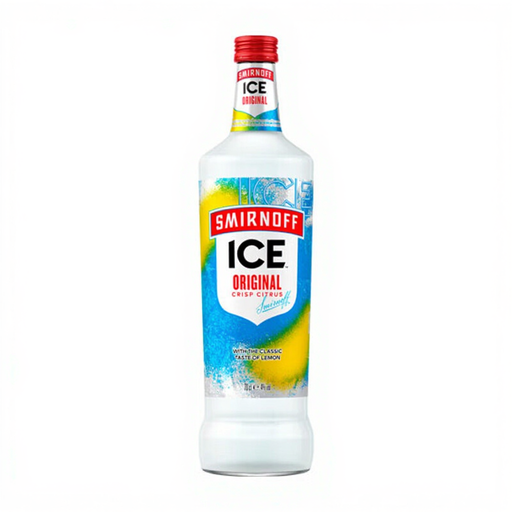
Why it suits this profile: According to the product information, this spirit-based premix contains 4% alcohol and is intended to be enjoyed chilled. That makes it a straightforward choice for a first purchase or an informal get-together.
The alcohol percentage and volume are clearly stated in the product information. You do not need to buy a separate mixer or extra ingredients.
700 ml volume, 4% alcohol and a fresh citrus flavour; practical for serving straight away.
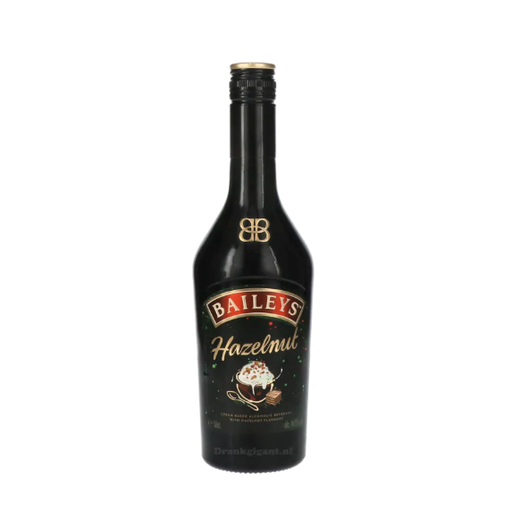
Why it suits this profile: According to the product description, this creamy liqueur combines hazelnut notes with Irish cream. It is well suited to dinner, dessert or a relaxed drinking occasion.
The volume, alcohol percentage of 14.5% and milk allergen are stated. This allows you to assess the flavour and suitability in advance.
500 ml volume, 10 stated servings and a creamy profile with hazelnut flavour.
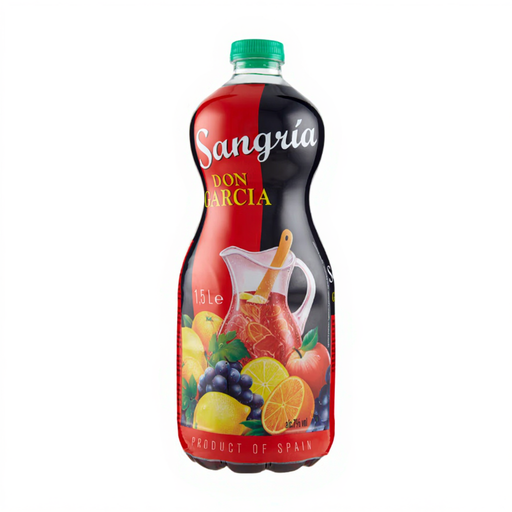
Why it suits this profile: This ready-to-drink sangria in a 1.5-litre bottle is designed for sharing at a barbecue, summer get-together or informal party.
The bottle volume and alcohol percentage of 7.5% are clearly stated. This makes it easier to estimate how much you need for a group.
1.5-litre volume; flavour profile with red wine, fruit, citrus and spices; serve chilled over ice.
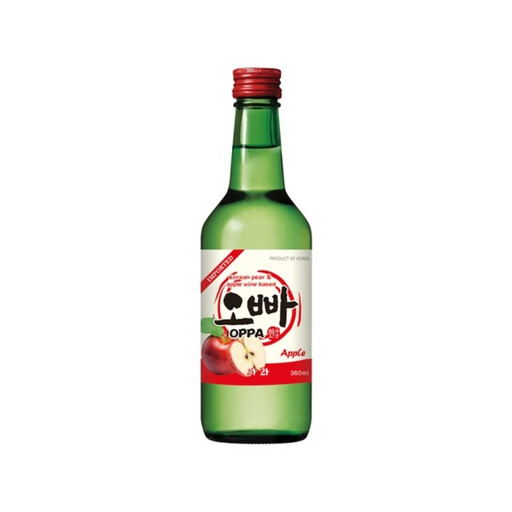
Why it suits this profile: This 12% apple soju is ready to drink and pairs well with a dinner of Korean dishes or an evening when guests want to share small bottles.
The bottle size, alcohol percentage and fruit flavour are visible in advance. No separate cocktail mixer is required.
360 ml volume, 12% alcohol and an apple profile; ready to serve chilled or neat.
We have put together a complete, up-to-date list of products that fully meet these strict selection criteria and the applicable European safety regulations.
Yes, consumers aged 18 and over are allowed to order alcohol online. A seller must check your age when you place the order and when it is delivered. Keep valid identification to hand if requested. Alcohol must not be passed on to minors.
That depends on the product, the price per litre and the number of people. A large bottle of sangria or punch can be practical for a group, while individual bottles help reduce waste when guests want to try different flavours. Always compare the price per litre, volume and stated number of servings.
Store unopened bottles according to the label, usually in a cool place away from direct sunlight. Seal opened bottles securely. Cream liqueurs and opened ready-to-drink cocktails may have additional refrigeration instructions. Check the packaging for the use-by information and do not consume a product if the seal was damaged on arrival.
