
Vandaag of morgen in huis

Kwaliteit gegarandeerd

Welkomstaanbiedingen ontgrendelen: GRATIS bezorging | Tot 80% korting | Gratis 30 dagen JoyPlus-proefperiode
Download de app
An air purifier can make a noticeable difference in your home, especially if you suffer from allergies, own pets, or simply want to improve your air quality. However, the market is flooded with models that promise the world. Many devices are unnecessarily loud, have expensive filters, or aren't powerful enough for your space. This often leads to a disappointing purchase.
As a Product Recommendation Officer at Joybuy, I'm here to help you see through the marketing claims. In this article, we'll discuss the most common pitfalls and the specifications that truly matter, so you can make a well-informed decision.
Before you purchase an air purifier, it's important to be aware of a few common deceptive practices.
To avoid a bad purchase, there are three technical specifications you should always check. These determine the actual performance of the device.
The CADR indicates how much clean air a purifier can deliver per hour, expressed in cubic metres per hour (m?/h). This is the most important indicator of the device's effectiveness. A higher CADR means faster air purification.
To determine the right CADR for your space, you can use a simple rule of thumb:
For example, a 40 m? living room with a 2.5-metre ceiling has a volume of 100 m?. For effective allergy relief (5 ACH), you need an air purifier with a CADR of at least 500 m?/h.
The effectiveness of an air purifier depends entirely on its filters. Most models use a combination of the following types:
The noise level is crucial, especially for use in a bedroom or office.
Always check the dB level on the lowest setting (sleep mode) and the highest setting to get a complete picture.
Based on these objective criteria, we have selected a number of models that suit different needs and situations.
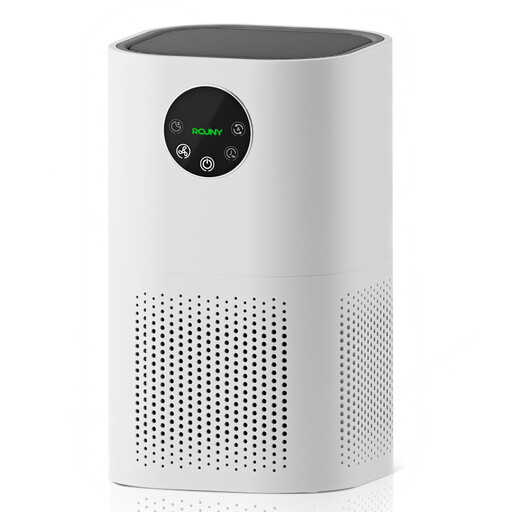
Why This Fits Their Persona: Ideal for the bedroom. This compact model is designed with a focus on quiet operation, which is essential for an undisturbed night's sleep.
It tackles the noise pitfall. According to the manufacturer, its sleep mode has a noise level of ≤25 dB, which is genuinely whisper-quiet and won't disturb your sleep.
H13 HEPA filter: Captures fine particles like pollen and dust mites. Compact size: Fits easily on a nightstand or in a corner of the room.
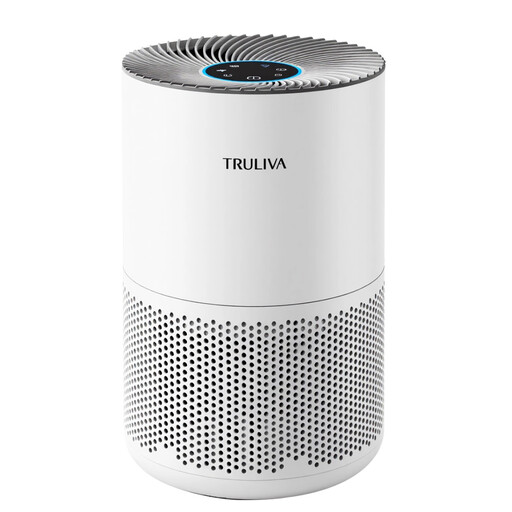
Why This Fits Their Persona: Specifically targets the challenges of pet owners. This model combines a solid CADR with filters designed to handle hair and odours.
Avoids the hidden costs pitfall. The washable pre-filters capture larger particles like pet hair, which extends the life of the more expensive HEPA filter.
CADR of 260 m?/h: Powerful enough for medium-sized living rooms. Specialised filters: According to the manufacturer, it's effective against pet odours and dander.
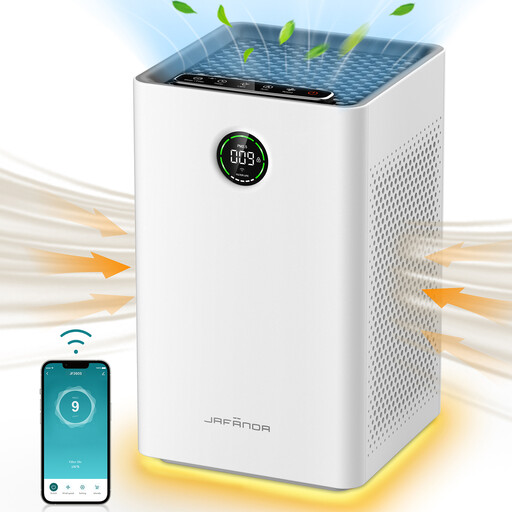
Why This Fits Their Persona: For those who want to purify a larger space and value convenience. This model offers a good balance between power and smart features.
Offers a realistic coverage area. With a CADR of 260 m?/h, this model is suitable for rooms up to approximately 50 m? with 3 air changes per hour, which is an honest performance for an average living room.
App and voice control: Works with Alexa and Google Assistant. PM2.5 sensor with auto mode: Automatically adjusts fan speed based on the measured air quality.
We've compiled a complete, up-to-date list of products that fully meet these strict selection criteria and safety regulations.
The lifespan of a HEPA filter varies, but it's typically between 6 and 12 months. This depends heavily on the air quality in your home and how often you use the device. Most modern air purifiers have an indicator that tells you when it's time to replace the filter. A washable pre-filter can significantly extend the life of the main filter.
A HEPA filter is a physical filter that traps particles from the air as it is forced through. An ioniser works differently: it emits charged particles (ions) that bind to pollutants in the air. This makes the particles heavy, causing them to fall onto surfaces in the room. So, a HEPA filter removes particles from circulation, while an ioniser causes them to settle.
Yes, an air purifier with a True HEPA filter is very effective at capturing airborne allergens that cause hay fever and allergic reactions to pets. This includes pollen, dander from cats and dogs, and dust mites. By continuously filtering these particles from the air, an air purifier can significantly reduce symptoms, especially in the bedroom.
