
Vandaag of morgen in huis

Kwaliteit gegarandeerd

Welkomstaanbiedingen ontgrendelen: GRATIS bezorging | Tot 80% korting | Gratis 30 dagen JoyPlus-proefperiode
Download de app
We breathe all day long, but the air we inhale isn't always clean. Whether you suffer from hay fever, own a pet, or simply want to improve the air quality in your city apartment, an air purifier seems like a logical solution. But the market is flooded with models that promise the world. Before you make a purchase, it's crucial to know what to look for to avoid wasting money on a device that doesn't live up to its promises.
As a Joybuy Product Recommendation Officer, I'm here to help you see through the marketing jargon. Here are the most common pitfalls and the specifications that truly matter.
To avoid buyer's remorse, there are three technical specifications you should always check. These determine whether an air purifier is right for your situation.
The CADR, expressed in cubic metres per hour (m?/h), indicates how much clean air a device can deliver per hour. A higher CADR means faster purification. But how do you know what value you need?
A good rule of thumb is to choose a model that can exchange the air in your room 2 to 4 times per hour. For an air purifier for allergies, 4 to 5 times per hour is recommended. You can calculate the required CADR as follows:
For a bedroom measuring 4m × 3m with a 2.5m ceiling (30 m?), you would need a CADR of at least 120 m?/h (30 × 4).
The effectiveness of an air purifier depends entirely on its filters. Most quality models use a multi-stage system:
air purifier HEPA filter is essential for people with allergies.air purifier for pets or want to neutralise cooking smells and other odours.The noise level, expressed in decibels (dB), is crucial, especially for an air purifier in the bedroom. Pay attention to the noise level on the lowest setting (for nighttime) and the highest setting (for rapid cleaning).
quiet air purifier in the bedroom.Based on these criteria, we have selected a number of models that suit different needs and budgets.
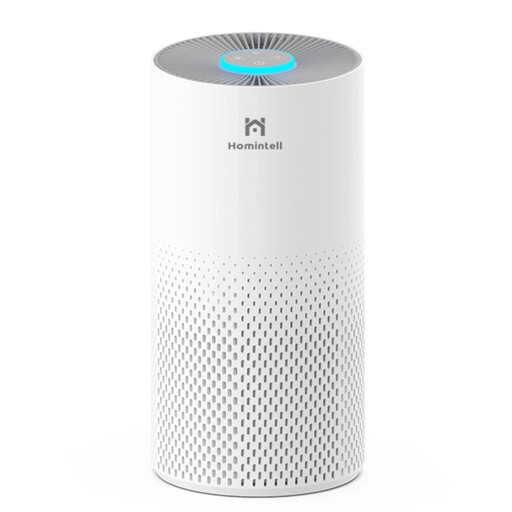
Why This Fits Their Persona: Perfect for a bedroom, home office, or dorm room up to 18 m?. Its compact size and simple controls make it a practical choice for anyone seeking an affordable and effective no-frills solution.
This model has a CADR of 150 m?/h, which is perfectly sized for smaller rooms. You're not paying for unnecessary 'overkill' capacity. The 3-in-1 filter is a standard type, making replacement easier.
Combines HEPA and carbon filters for both particles and odours. The timer function and ambient lighting are convenient extras for the bedroom.
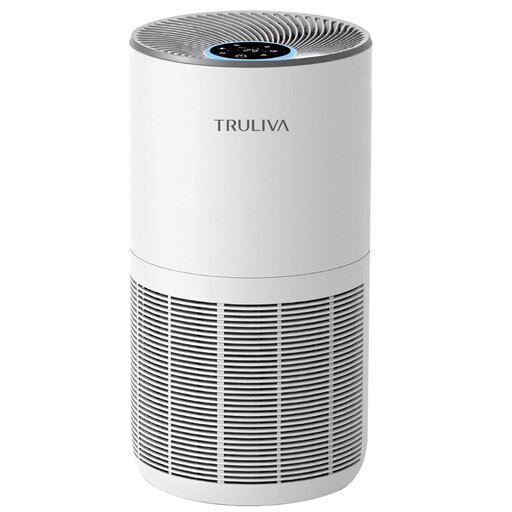
Why This Fits Their Persona: Ideal for families with pets or allergy sufferers in a larger living room. Its high capacity and H13 HEPA filter effectively tackle pet dander, hair, and allergens, while the carbon filter helps reduce pet odours.
The 450 m?/h CADR isn't overkill here; it's necessary for effectively cleaning a larger living space (up to 55 m?). The sleep mode is designed to be quiet, but the auto mode adjusts fan speed based on air quality, providing a great balance.
The 360° air intake ensures efficient circulation throughout the entire room. The H13 HEPA filter provides a high degree of filtration, which is crucial for allergens.
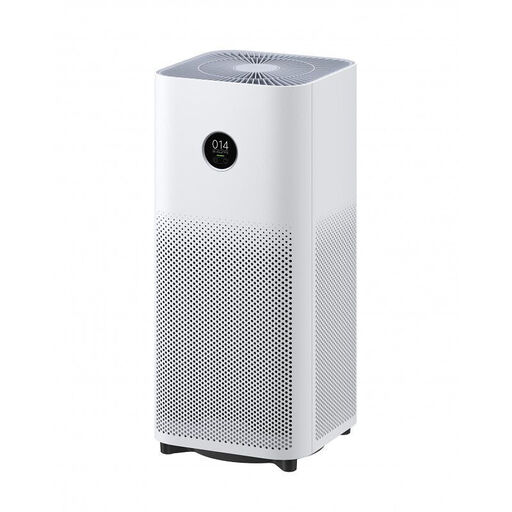
Why This Fits Their Persona: For the tech enthusiast who wants to control everything via an app or voice commands. Its powerful performance (CADR 500 m?/h) and smart sensors make it an advanced choice for larger living spaces up to 60 m?.
The automatic mode, powered by PM2.5/PM10 sensors, ensures the device only runs at high speed when necessary. This prevents unnecessary noise and energy consumption. The app provides clear notifications about filter status, so you won't be caught by surprise.
Full control via the Mi Home app and voice assistants. At 33.7 dB(A), the night mode is very quiet, allowing it to work through the night without causing a disturbance.
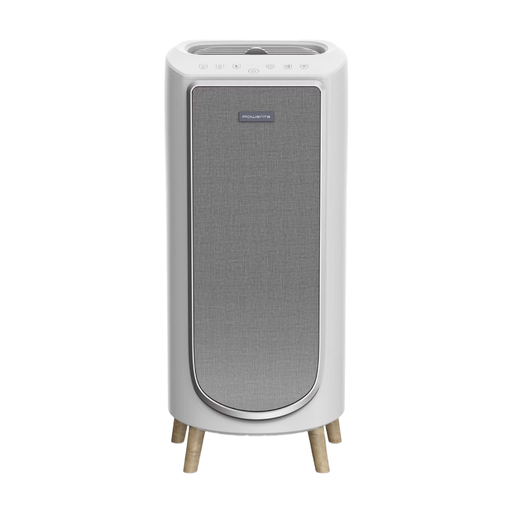
Why This Fits Their Persona: For those who see an air purifier not just as a functional appliance, but as part of their interior design. Its stylish design with a fabric finish and wood-effect legs fits seamlessly into a modern living room.
This model tackles the 'noise trap' with a quiet mode of just 32 dB(A), which is exceptionally quiet for its capacity (CADR 360 m?/h). The automatic pollution detection ensures efficient operation without constantly running on the highest, loudest setting.
Combines powerful performance with a very low noise level and a unique, elegant design. The smart features via the app offer added convenience.
We have compiled a complete, up-to-date list of products that fully meet these strict selection criteria and local safety regulations.
This depends on the model, usage intensity, and the air quality in your home. Generally, HEPA and carbon filters should be replaced every 6 to 12 months. Most modern air purifiers have an indicator that tells you when it's time for a replacement.
Absolutely. For this, choose a model with a dedicated sleep mode or a quiet air purifier that produces a noise level below 30 dB on its lowest setting. This ensures clean air without disturbing your night's sleep.
For optimal performance, place the air purifier on the floor or another stable, flat surface. Ensure at least 30-50 cm of free space on all sides so that air can circulate properly. Avoid placing it in a corner, behind curtains, or directly against a wall.
