
Vandaag of morgen in huis

Kwaliteit gegarandeerd

Welkomstaanbiedingen ontgrendelen: GRATIS bezorging | Tot 80% korting | Gratis 30 dagen JoyPlus-proefperiode
Download de app
Do you feel the air in your home isn't as fresh as you'd like? Or do you suffer from allergies, pet hair, or unwanted odours? An air purifier can offer a solution. However, the market is flooded with models that promise the world. To avoid investing in a device that doesn't deliver, it's crucial to know what to look for.
We've outlined the most common pitfalls and the most important specifications for you, so you can make an informed decision.
Before we dive into the specifications, it's wise to see through the marketing claims that often lead to disappointment.
Don't be distracted by slick marketing. These three technical specifications determine the actual performance of an air purifier.
The CADR is the most important objective measure of an air purifier's effectiveness. The number indicates how many cubic metres of clean air the device can deliver per hour (m?/h). A higher CADR means the air in a room is purified faster.
A good rule of thumb is to aim for an air purifier that can completely exchange the air in the room at least two to three times per hour. For those needing a powerful air purifier for allergies, such as hay fever, four to five times per hour is even recommended.
Most air purifiers use a combination of filters. The two most important are:
The noise level, expressed in decibels (dB), is a key practical consideration, especially if the air purifier will be placed in a bedroom or office. Pay attention to the noise level on the lowest setting (sleep mode). A value below 30 dB is generally considered quiet.
Based on these objective criteria, we have selected a number of models that suit different user profiles and needs.
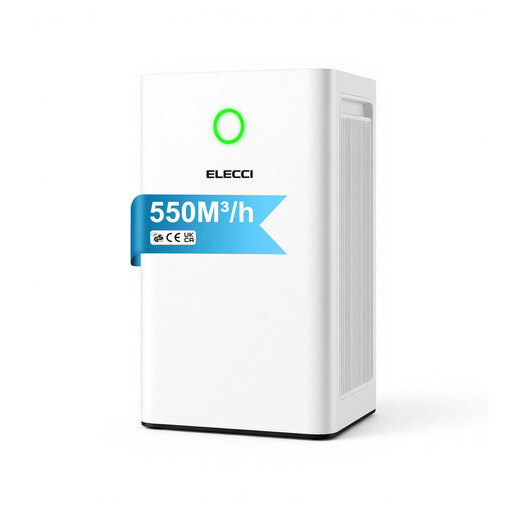
Why This Fits Their Persona: With a very high CADR, this model is designed for large, open spaces like a living room or a home office. It ensures fast and effective air circulation where smaller models fall short.
The CADR of 550 m?/h is a clear, verifiable specification. This avoids the pitfall of vague coverage claims and allows you to accurately match the capacity to your space.
Very high air purification capacity. The washable pre-filter helps extend the life of the main filter.
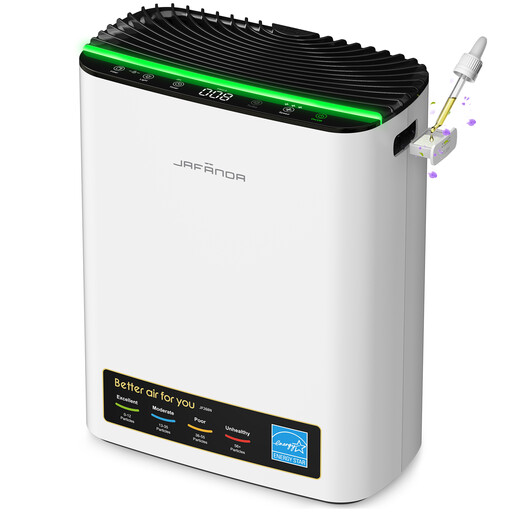
Why This Fits Their Persona: Ideal for the bedroom thanks to its ultra-quiet 20 dB sleep mode. The combination of a True HEPA filter and a PM2.5 sensor makes it a great choice for people with allergies who want clean air at night without noise disturbance.
This model focuses on a concrete, measurable feature: a noise level of 20 dB. This is an objective advantage, unlike vague promises of "silence." The PM2.5 sensor also provides a tangible function.
Whisper-quiet sleep mode and an auto mode that adjusts fan speed based on the measured air quality.
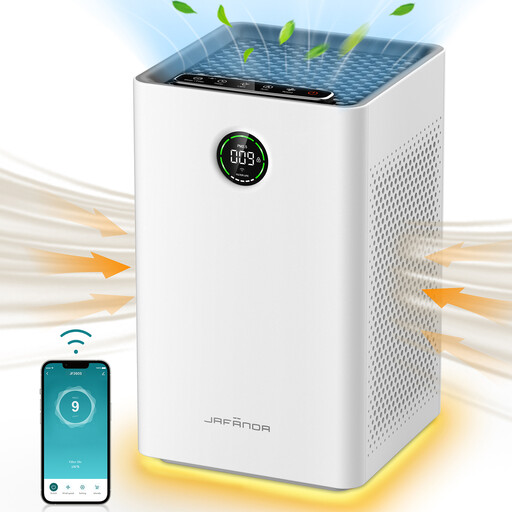
Why This Fits Their Persona: For those who like to control everything from their armchair or with their voice. The integration with WiFi, a mobile app, and voice assistants like Alexa and Google Assistant offers modern convenience and the ability to monitor air quality remotely.
The 'smart' features here are practical and functional (setting schedules, remote control, checking air quality) and not just a gimmick. The CADR of 260 m?/h is clearly specified.
Full control via app and voice assistants. Real-time monitoring of the PM2.5 value through the app.
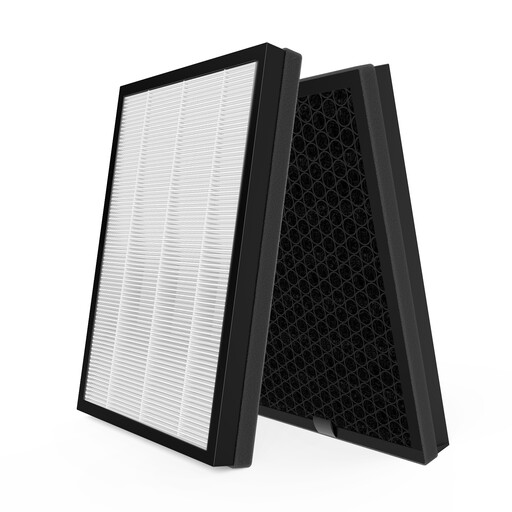
Why This Fits Their Persona: This isn't an air purifier, but a set of replacement filters. It's the perfect choice for those who already own a Jafanda JF260S or who plan ahead. It ensures the device continues to work effectively and the investment retains its value.
This product directly addresses the pitfall of hidden costs. By making the availability and price of the replacement filter transparent, you avoid the unpleasant surprise of an unusable device.
Maintains purification performance. Includes both a HEPA filter and an activated carbon filter.
We have compiled a complete, up-to-date list of products that meet these strict selection criteria and local regulations.
The lifespan of a filter depends on usage and the air quality in your environment. Generally, it is recommended to replace a HEPA filter and activated carbon filter every 6 to 12 months. Most modern air purifiers have an indicator that tells you when it's time for a replacement. Regular replacement is crucial for maintaining effective performance.
A HEPA filter is designed to capture solid particles from the air, such as dust, pollen, pet dander, and mould spores. An activated carbon filter is a porous material that absorbs gaseous pollutants, such as odours, smoke, and chemicals. For complete air purification, a combination of both filters is ideal.
Yes, an air purifier for allergies can certainly help. A model with a True HEPA filter is effective at removing pollen from indoor air. By using the device, especially in the bedroom, the symptoms of hay fever can be significantly reduced indoors.
