
Vandaag of morgen in huis

Kwaliteit gegarandeerd

Welkomstaanbiedingen ontgrendelen: GRATIS bezorging | Tot 80% korting | Gratis 30 dagen JoyPlus-proefperiode
Download de app
Buying a toothbrush seems simple, until you're standing in the aisle or browsing online. The shelves are packed with options, each promising the world. But which features are genuinely important, and which are pure marketing hype? Many people unknowingly make choices that aren't ideal for their teeth, leading to unnecessary expenses or even damage to teeth and gums.
As a Joybuy Product Recommendation Officer, I see the challenges consumers face daily. Let's look at the most common pitfalls so you can make an informed decision.
To avoid these pitfalls, it's helpful to focus on a few key specifications. These determine 90% of whether a toothbrush is right for you or your family.
The hardness of the bristles is perhaps the most important factor. Dentists and dental hygienists generally recommend a soft toothbrush (soft).
A smaller, more compact brush head can often manoeuvre better inside the mouth and more easily reach the back molars. A head that is too large can be clumsy and may miss certain spots. The shape—round, oval, or rectangular—is more a matter of personal preference, although round heads, like those on many Oral-B replacement heads, are designed to surround each tooth individually.
A toothbrush is not a 'one-size-fits-all' product.
Below is a selection of products that suit different needs, based on their specifications and how they address the pitfalls mentioned earlier.
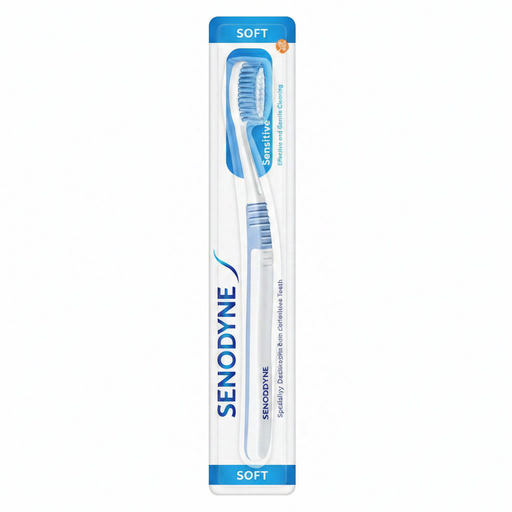
Why This Fits Their Persona: Specifically designed for people who suffer from sensitive teeth. The focus is on a gentle yet effective clean without exacerbating discomfort.
This product bypasses the "harder is better" pitfall by using soft, rounded bristles that clean effectively without irritating the gums or exposed dentin.
The Duoflex neck is designed to bend and absorb excess pressure. The oval head helps clean hard-to-reach areas.
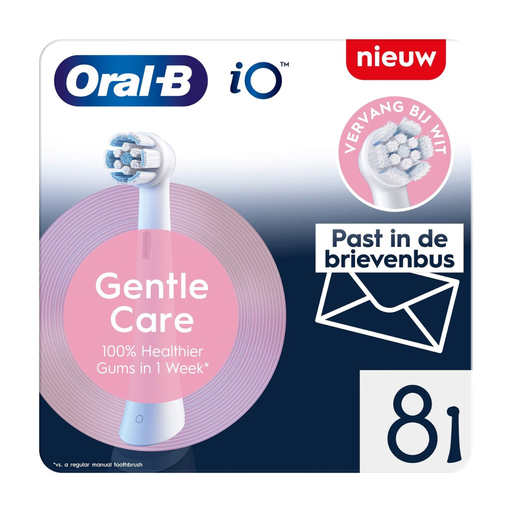
Why This Fits Their Persona: For owners of an Oral-B iO electric toothbrush who are looking for a gentle clean and want to reduce the cost-per-brush by buying in bulk.
This value pack of toothbrushes tackles the pitfall of high replacement costs. By purchasing 8 brush heads at once, you significantly lower the price per unit.
The Gentle Care brush head features up to 4000 soft bristles for a mild clean. The bristles fade in colour to indicate when it's time for a replacement.
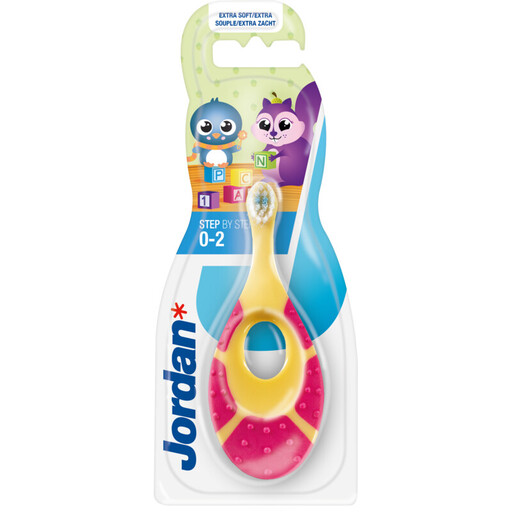
Why This Fits Their Persona: Ideal for parents looking for a safe and functional baby toothbrush for the first milk teeth. It helps to introduce a brushing routine from an early age.
This product isn't just a scaled-down adult toothbrush. It's specifically designed for babies, with a handle that doubles as a teether to soothe sore gums.
The combination of a toothbrush and teether in one is practical. The extra-soft bristles and small head are tailored to a baby's sensitive mouth.
Didn't find what you were looking for? We've curated a wider range of products that meet practical criteria for excellent oral care.
The general rule of thumb is to replace your manual toothbrush or brush head every three months. Replace it sooner if the bristles are visibly frayed or splayed, or after you've been sick. Worn bristles clean less effectively.
Both can be effective if used correctly. An electric toothbrush can make it easier to brush for the recommended two minutes and to clean consistently. However, a good manual toothbrush combined with the proper brushing technique can yield equally good results. The choice depends on your personal preference, budget, and any advice from your dentist.
Always choose a specific children's toothbrush that is appropriate for your child's age. These have a smaller head, soft bristles, and a handle that is easy to hold. For the very youngest, a baby toothbrush is essential. Make brushing fun with brushes that have bright colours or familiar characters to encourage a good habit.
