
Vandaag of morgen in huis

Kwaliteit gegarandeerd

Welkomstaanbiedingen ontgrendelen: GRATIS bezorging | Tot 80% korting | Gratis 30 dagen JoyPlus-proefperiode
Download de app
A toaster may seem like a simple kitchen appliance, but the differences between models quickly become apparent in everyday use. A slot that is too narrow can trap thick sourdough bread, an unclear browning control can produce uneven results, and a model without a crumb tray makes cleaning unnecessarily difficult.
When buying a toaster, it is therefore better not to focus only on colour or wattage. Pay particular attention to the slot size, controls, cleaning options and the features you will actually use.
Higher power does not automatically mean that bread will be toasted more evenly or quickly. The shape of the heating elements, the automatic centring system and the selected browning setting also play a part. So look at the full product specification sheet rather than just the wattage.
The term toaster with wide slots only tells you something useful when the dimensions are provided. Thick slices, bagels and English muffins will not fit in every 2-slot toaster. A model with slots measuring, for example, 3.8 cm offers more room than a standard opening, but you should also check the length of the slots.
A defrost function is practical if you toast bread straight from the freezer. A reheat function is useful when you want to warm toast again without browning it further. A bun-warming rack is handy for croissants and bread rolls, but it does require extra space above the appliance.
Also pay attention to safety. Do not use metal objects to remove stuck bread. Unplug the toaster and allow it to cool down first.
A 2-slot toaster is usually suitable for one or two people and takes up relatively little space. For a family, a 4-slot toaster may be more convenient, as it can toast several slices at once. Bear in mind that it will be a larger appliance and require more worktop space.
A model with one long slot, such as the Tefal TL365ETR, can be practical for long slices of baguette. For every model, check:
A toaster with adjustable browning levels gives you more control than an appliance with a single fixed setting. Six or seven settings provide a useful range, from lightly toasted to darker toast. However, the numbers are not universal: setting 4 on one brand does not necessarily produce the same result as setting 4 on another.
A high-lift function helps you remove small slices from the slot more safely. A separate cancel button is also useful when you want to stop the programme immediately.
A toaster with a crumb tray is easier to keep clean. Empty the tray regularly and do not use the appliance without it if the instructions advise against doing so. Crumbs can build up around the heating elements.
A stainless-steel toaster often has a smooth surface that is easy to wipe clean. A plastic housing may be lighter and can sometimes be a better choice for a limited budget. A black toaster shows small marks more readily than some lighter finishes, but it often complements modern kitchen appliances.
Always check the CE mark, Dutch-language safety information where available, and details of the statutory guarantee. This information tells you more than general advertising copy.
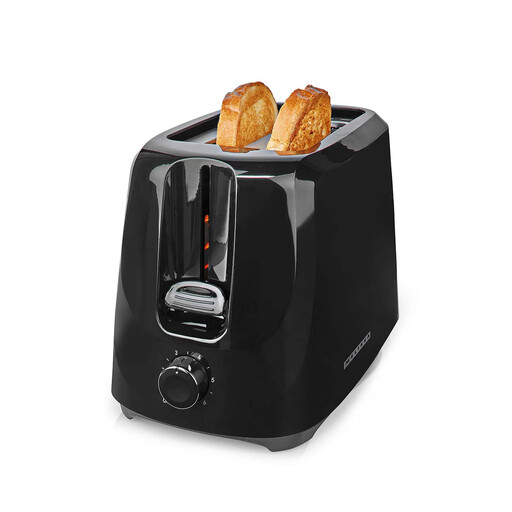
Why it suits this profile: This compact toaster is designed to toast two slices at once and takes up very little space, weighing just 0.87 kg. That makes it suitable for students, small households and holiday accommodation.
The six browning settings and cancel function give you more control than a basic model with one fixed setting. The product information also lists a removable crumb tray.
2 slots, 700 W, six browning levels, cord storage and non-slip feet.
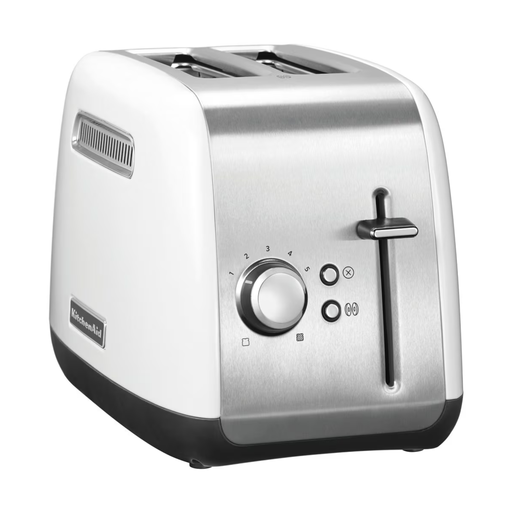
Why it suits this profile: The metal housing, extra-wide slots and five browning settings are well suited to households that use different types of bread and value a sturdy, well-built appliance.
According to the product description, the slots are 3.8 cm wide. This provides more room for thick bread and bagels than models with narrower openings.
Two wide slots, metal construction, bagel function, reheat function and extra-high lift.
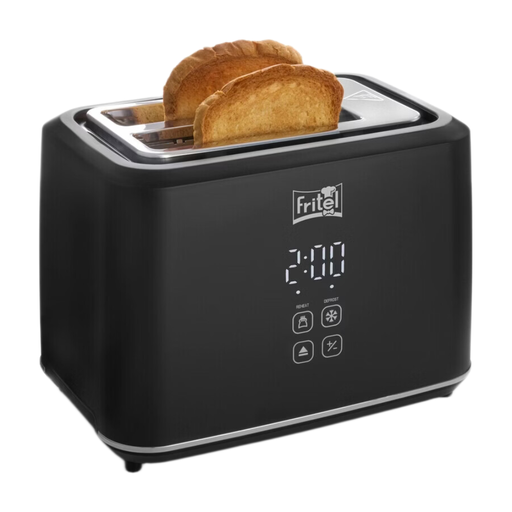
Why it suits this profile: This model combines a touch display with defrost, reheat and cancel functions. The included bun-warming rack is ideal for users who regularly warm bread rolls or croissants.
The seven settings are clearly shown on the display. The appliance also has a removable crumb tray and automatic shut-off, according to the product information.
850 W, seven browning levels, touch controls, bun-warming rack, defrost function and reheat function.
We have put together a complete, up-to-date list of products that fully meet these strict selection criteria and the applicable European safety regulations.
Use these points to compare models fairly:
First, unplug the toaster and allow it to cool completely. Remove the crumb tray, empty the crumbs and wipe the outside with a slightly damp cloth. Never immerse the toaster, plug or cable in water.
Its lifespan depends on how it is used, maintained and the quality of its components. Emptying the crumb tray regularly, using the slots correctly and avoiding metal objects can help limit wear and damage. When buying, also check the statutory guarantee and the manufacturer’s terms and conditions.
Consumption depends on the power rating and the length of each toasting cycle. A 700 to 1,000 W model only uses electricity while it is toasting. Higher wattage may allow for a shorter cycle, but actual consumption per use varies by appliance and setting.
