
Vandaag of morgen in huis

Kwaliteit gegarandeerd

Welkomstaanbiedingen ontgrendelen: GRATIS bezorging | Tot 80% korting | Gratis 30 dagen JoyPlus-proefperiode
Download de app
A toaster may seem like a simple kitchen appliance, but differences in slot width, capacity and features determine how convenient it is to use every day. A compact model can save space, for example, while families may benefit from a 4-slice toaster. If you only consider the colour or wattage, you may run into practical problems after a few weeks.
Pay particular attention to these common pitfalls:
A 2-slice toaster is generally suitable for a single-person household, a couple or a kitchen with limited space. However, check whether the slots are short or long. Two long slots may accommodate four smaller slices, but the actual capacity varies from one model to another.
A 4-slice toaster is more convenient for families or when several people have breakfast at the same time. Check whether the appliance has four separate slots or two extra-long slots. Some models allow the heating zones to be controlled independently, so check the product specifications before assuming this is the case.
If you regularly toast thick slices, bagels or bread rolls, a toaster with wide slots can be a good choice. KitchenAid Classic models, for example, specify slots measuring 3.8 cm and a self-centring system. This gives you a concrete indication of whether thicker bread will fit.
Automatic centring helps position a slice between the heating elements. However, this does not automatically mean that every type of bread will brown evenly. The thickness, moisture content and shape of the bread still affect the result.
Also check the power rating, but do not use wattage as your only selection criterion. A higher power rating alone says nothing about slot width, controls or ease of cleaning.
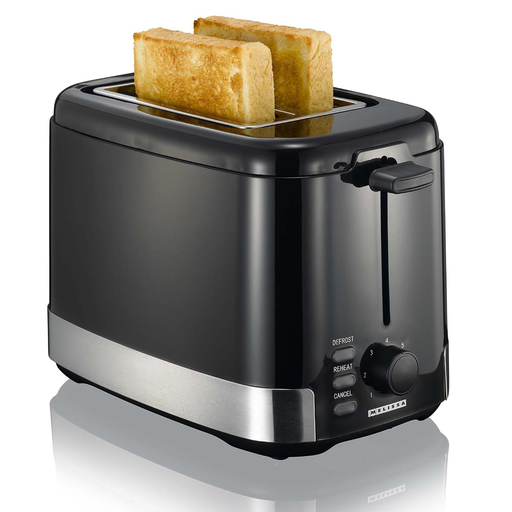
Why it suits this profile: This model has simple controls, two slots and seven browning settings. It is therefore suitable for everyday toasting without complicated additional settings.
The removable crumb tray means you do not need to turn the appliance upside down for routine maintenance. Automatic switch-off and a stop function are specifically listed features.
800 W, seven browning settings, defrost, reheat, bun warmer and cord storage.
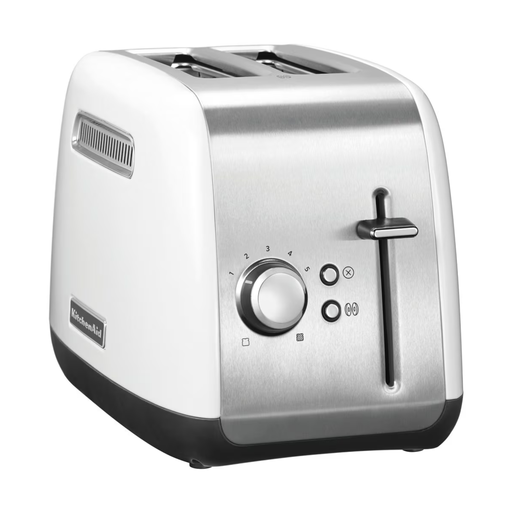
Why it suits this profile: The metal housing, extra-wide slots and separate bagel function are ideal for users who prepare different types of bread and appreciate a striking kitchen design.
The stated slot width of 3.8 cm reduces the chance of thicker slices or bagels not fitting. However, check the current product specifications before purchasing.
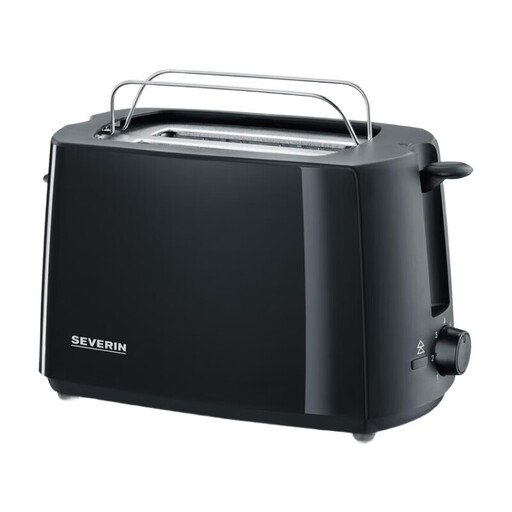
Why it suits this profile: According to the product description, this black toaster combines everyday toasting with a built-in baking accessory for small snacks, mini pizzas or pastries.
The seven browning settings, defrost and reheat functions make this appliance more versatile than a model with only a standard toast programme.
Two slots, baking tray with lid, high lift, removable crumb tray and black finish.
Choose a 2-slice toaster if you usually make one or two slices and need the appliance to fit on a small Dutch kitchen worktop. A model with long slots, such as the Tefal Ultra Mini TL330D, may be worth considering if you want to toast four smaller slices at the same time without using a wide appliance with four separate slots.
A 4-slice toaster is better suited to families or shared use. As well as capacity, consider the dimensions: additional capacity often means a longer or wider appliance. Measure the available space and check where the cord exits the appliance.
A stainless steel toaster or model with a metal housing can complement a kitchen with other stainless-steel appliances. A black toaster often works well with dark kitchen equipment, but fingerprints and crumbs may be more visible on a smooth finish. The material affects more than just the appearance; controls, slot size and ease of cleaning remain more important for everyday use.
We have put together a complete, up-to-date list of products that fully meet these strict selection criteria and the applicable European safety regulations.
Many compact models in this selection use around 720 to 900 watts. Models for four slices may use approximately 1,200 to 1,400 watts. Wattage affects power, but does not by itself indicate how quickly or evenly bread will be toasted. Also consider the slot layout, browning control and centring system.
The lifespan depends on how often it is used, how well it is cleaned and how it is handled. Removing crumbs regularly, avoiding tightly winding the cord and not overloading the appliance can help reduce wear. Stop using the toaster if you notice smoke, damage or an unusual noise.
That depends on your habits. If you often freeze bread, you may find the function useful. If you almost always use fresh bread, you may get more value from wide slots, a bun warmer or a simple reheat function. Compare your own usage with the product specifications first.
