
Vandaag of morgen in huis

Kwaliteit gegarandeerd

Welkomstaanbiedingen ontgrendelen: GRATIS bezorging | Tot 80% korting | Gratis 30 dagen JoyPlus-proefperiode
Download de app
Buying a projector can be overwhelming. The specifications come at you fast: ANSI lumens, 4K, throw ratio... What do you really need? As a Joybuy Product Recommendation Officer, I'm here to help you ignore the marketing jargon and focus on what's important for your situation. This guide offers practical advice for finding a projector that fits your needs, whether you're building a home cinema or planning a backyard movie night.
Before you make a choice, it's helpful to understand three key specifications. These largely determine the image quality and ease of use.
Resolution determines the sharpness of the image. A 1080p projector (Full HD) is an excellent choice for many situations, offering a sharp picture for movies and series. However, if you want the most detailed and lifelike viewing experience, a 4K projector is worth considering. These projectors have four times as many pixels, resulting in an unprecedentedly sharp and clear image, ideal for a serious home cinema projector.
The light source is also important. Traditional lamps are increasingly being replaced by LED or laser. A laser projector typically offers higher brightness, a wider colour gamut, and a significantly longer lifespan than a lamp-based projector.
A projector's brightness is expressed in ANSI lumens. This is a standardised measurement that indicates how much light the projector can produce. The higher the lumen count, the more visible the image will be in a room that isn't completely dark.
Modern projectors are much more than just projection devices. A smart projector often has a built-in operating system (like Google TV), allowing you to use apps like Netflix and YouTube directly without connecting an external device. A WiFi projector makes it easy to stream wirelessly from your phone or laptop.
For those who need flexibility, a portable projector or mini projector is a great solution. Models with a built-in projector with a battery give you the freedom to host a movie night anywhere, from the bedroom to the backyard.
Based on specifications and features, we have highlighted some interesting models for different users.
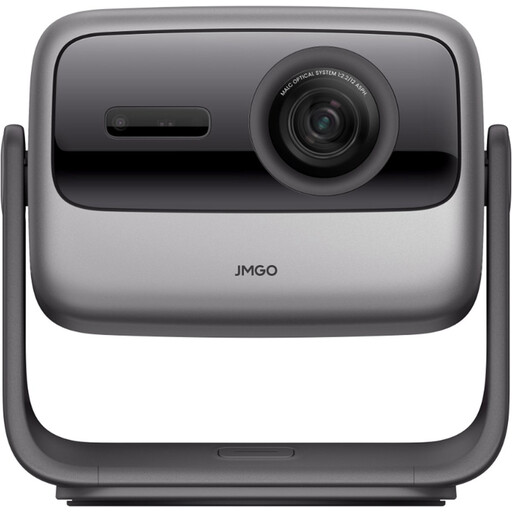
Why It Stands Out: This model uses triple-colour laser technology, which, according to the manufacturer, ensures highly accurate colour reproduction. The combination of 4K UHD resolution and a high brightness of 3000 ANSI lumens makes it a powerful projector for a premium home cinema experience. The unique gimbal stand also offers great placement flexibility.
Pros:
Who is it for: The home cinema enthusiast and gamer looking for outstanding image and sound quality who wants to create a premium viewing experience.
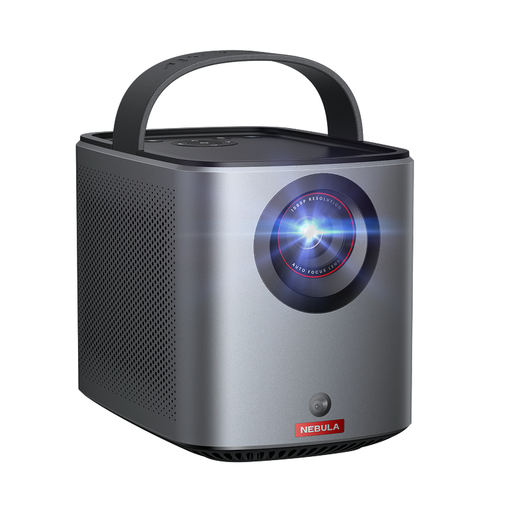
Why It Stands Out: The Soundcore Nebula Mars 3 Air (model N2325212) is designed for convenience and mobility. As a portable projector with a built-in battery that lasts up to 2.5 hours, you can take it anywhere. With Google TV built-in and powerful speakers, this is a complete entertainment solution in a compact package.
Pros:
Who is it for: The traveller, the family, or anyone looking for a flexible, all-in-one solution for movie nights in the garden, on a camping trip, or in various rooms.
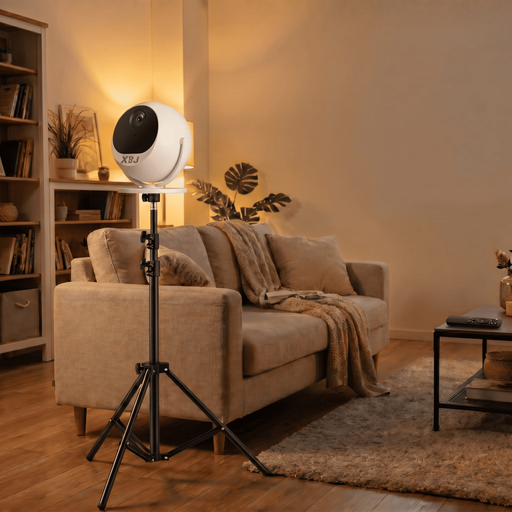
Why It Stands Out: This mini projector is notable for its 360° rotating design, allowing you to effortlessly project onto any surface, even the ceiling. The combination of a native 1080p resolution, fast WiFi 6, and automatic image correction makes setup incredibly simple. The bundle with a tripod completes the package.
Pros:
Who is it for: The tech-savvy user seeking a versatile and smart projector for both entertainment and presentations, with a focus on ease of installation and flexibility.
The world of projectors is vast and diverse. If the models above don't perfectly match your specific needs, don't worry. Many more options are available, from specialised short-throw projectors to models with unique features.
Discover a wider range and compare more models on our Color Projectors page.
Both laser and LED are durable light sources that last longer than traditional lamps. A laser projector generally offers higher brightness, better colour reproduction, and an even longer lifespan. LED projectors are often more compact and energy-efficient, making them ideal for a portable projector.
This depends on the viewing environment. For a dark home cinema room, 800-1,500 lumens is often sufficient. For a living room with some ambient light, aim for 1,500-3,000 lumens. For an outdoor projector or use in a brightly lit room, 3,000 lumens or more is recommended for a clearly visible image.
Yes, you can, but the result heavily depends on the projector's brightness (in ANSI lumens) and the amount of ambient light. A model with a high light output (e.g., 3,000 ANSI lumens or more) combined with light-blocking curtains or a special projection screen can provide a good image even during the day.
