
Vandaag of morgen in huis

Kwaliteit gegarandeerd

Welkomstaanbiedingen ontgrendelen: GRATIS bezorging | Tot 80% korting | Gratis 30 dagen JoyPlus-proefperiode
Download de app
Buying a mop might seem straightforward, until you have to choose between a microfibre mop, a steam mop, a mop with bucket or a robot vacuum with a mopping function. A cheap model can be tempting in the short term, but a mop that doesn't suit your floor often leaves streaks, makes the floor too wet, or leads to high costs for disposable pads.
The main pitfalls to watch out for:
A microfibre mop is suitable for many smooth surfaces, such as tiles, PVC, laminate and certain treated wooden floors. Microfibre picks up dirt and moisture without needing much cleaning product. Always check your floor's care instructions first.
For a mop for a wooden floor, a pad that wrings out well is essential. Use little water and don't leave puddles behind. On tiles, you can usually work with more moisture, especially on dried-on stains or grout. A flat mop for tiles also gets under furniture and along skirting boards more easily.
When it comes to the pad, look for:
A wide mop head cleans faster in large rooms, but is less manoeuvrable between chair legs. A head of around 30 to 50 cm is practical for most homes. Also look at the height of the mop head when you want to clean under a sofa or bed.
A mop with bucket is useful when you're cleaning a large floor area in one go. A system with separate clean and dirty water compartments stops you from rinsing in the same dirty water over and over. A compact microfibre cloth, on the other hand, is handy for a quick clean.
A steam mop uses water and heat, meaning you often need less cleaning product. Only use steam on surfaces that the manufacturer says are suitable. Untreated wood, delicate coatings and some plastics can be damaged by heat or moisture.
A steam cleaner with accessories can do more than just clean floors. Some models have attachments for windows, grout, kitchen surfaces or upholstery. Check the heat-up time, tank capacity, cable length and available accessories beforehand. A steam cleaner isn't a replacement for a window squeegee on large glass surfaces, but it can help with edges and stubborn dirt.
A robot vacuum with a mopping function is mainly suitable for regular maintenance. Look at suction power, navigation, map management, water reservoir, mop maintenance and how the device handles carpets. A robot isn't designed to pick up spilled liquids or standing water.
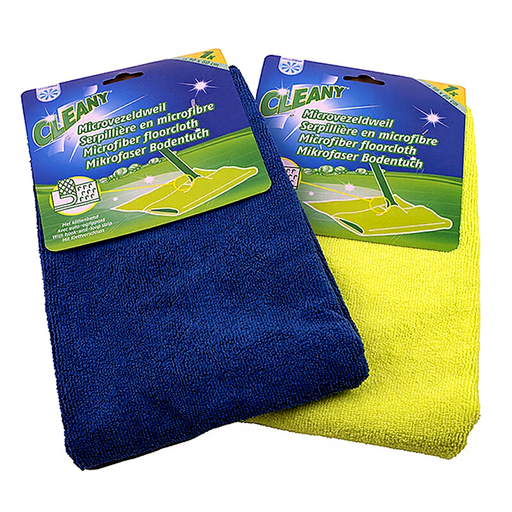
Why this fits the profile: The set includes three microfibre mops measuring 50 x 60 cm. That's practical for households that want a spare pad while another one is in the wash.
The Velcro fastening is designed to hold the mop in place during use. The pads are washable at 60 °C according to the product information; do not use fabric softener.
Microfibre material, 50 x 60 cm, three pieces per pack and suitable for smooth surfaces according to the product description.
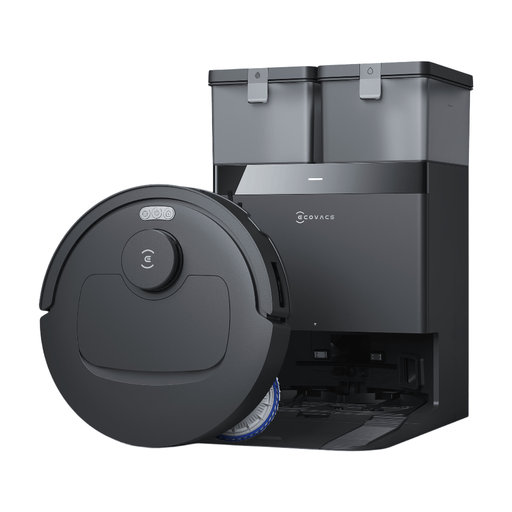
Why this fits the profile: This robot vacuum with mopping function is aimed at households with hard floors, carpets and pets that want as much automated cleaning as possible.
The product information mentions automatic dust emptying, mop washing at 75 °C, warm air drying and carpet detection. Check beforehand whether the dimensions and maintenance costs suit your home.
20,000 Pa stated suction power, OZMO Turbo 2.0 mopping system, TrueMapping 2.0 and a station with 4 litre clean water capacity according to the product specifications.
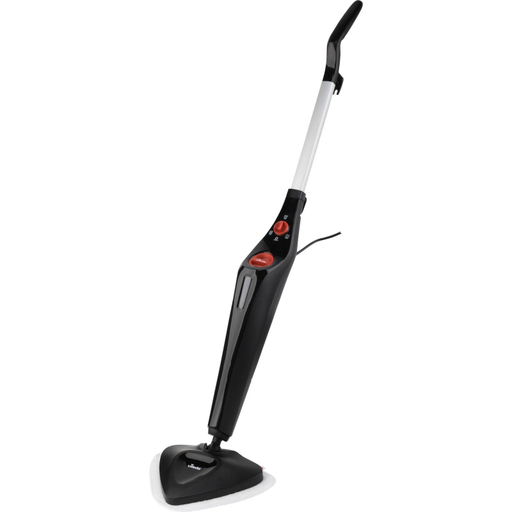
Why this fits the profile: This model suits those who regularly clean hard floors and carpets and prefer to work with water rather than strong cleaning products.
The 0.4 litre water capacity limits the number of interruptions. Only use the appliance on surfaces that are suitable according to the manual, such as sealed hard floors.
1550 W power, 0.4 litre tank, a supplied carpet glider and a weight of 2.3 kg according to the product description.
We've put together a full, up-to-date list of products that fully meet these strict selection criteria and comply with current European safety regulations.
A window squeegee is more efficient for glass than a regular floor mop, because the rubber strip removes water in a controlled way. For cars, it's better to use a soft car wash brush or chenille wash mitt. Rinse off sand and dirt first to avoid scratching the paintwork. Don't use a floor pad with cleaning product residue on car paint.
For a robot, replacement parts are important. The Eureka E20 Plus HEPA MOP (2-pack), for example, is only intended for the Eureka E10s/E20 Plus. So always check the exact model before ordering reusable mop pads. The wrong pad may not fit properly or could affect the device's performance.
Choose a microfibre mop that wrings out well and use very little water. Steam is only suitable if the floor manufacturer explicitly allows it. Let the floor dry quickly after mopping and avoid standing moisture.
That depends on usage, material and washing instructions. Wash reusable pads after use and replace them once the fibres are worn, less absorbent, or no longer stay firmly attached to the holder. For robot mops, the manufacturer sometimes gives a guideline; with the Eureka replacement pads, for example, replacement every two to three months is recommended.
In addition to the purchase price, you need to factor in electricity, water, filters, pads and any cleaning fluid. A manual microfibre mop generally has low running costs. A steam mop uses electricity and pads, while a robot requires extra maintenance and compatible parts. So don't just compare the price of the device itself, but also the costs of normal use.
