
Vandaag of morgen in huis

Kwaliteit gegarandeerd

Welkomstaanbiedingen ontgrendelen: GRATIS bezorging | Tot 80% korting | Gratis 30 dagen JoyPlus-proefperiode
Download de app
A kettle seems like a simple purchase—until your model starts leaking after a few months, affects the taste of your tea, or unexpectedly drives up your energy bill. Many kettles are sold with clever marketing that distracts from what truly matters: durability, functionality, and efficiency. Before you buy a new kettle, it's wise to look beyond the shiny exterior.
Here are the most common pitfalls:
To avoid buyer's remorse, focus on the specifications that matter in practice. Here are the three most important points to consider.
The material of the jug determines not only its appearance but also its durability and the taste of the water.
Do you drink green tea, white tea, or use hot water for instant coffee in addition to black tea? Then a kettle with temperature control is a worthwhile investment. Green tea tastes bitter when brewed with boiling water; a temperature of 70-80°C is ideal. A lower temperature can also be useful for baby formula or other applications. Models with preset temperatures (e.g., 70, 80, 90, and 100°C) offer the most convenience.
In many regions, we deal with hard water, which leads to limescale buildup. A kettle with a filter at the spout prevents limescale particles from ending up in your cup. This filter is usually removable and washable.
For an even better taste and to extend the life of your kettle, you might consider filtering the water beforehand. Some kettles have a built-in filtration system, such as from BRITA. An alternative is to use a separate water filter jug before filling the kettle.
Based on these practical criteria, we have selected a few models that suit different user profiles.
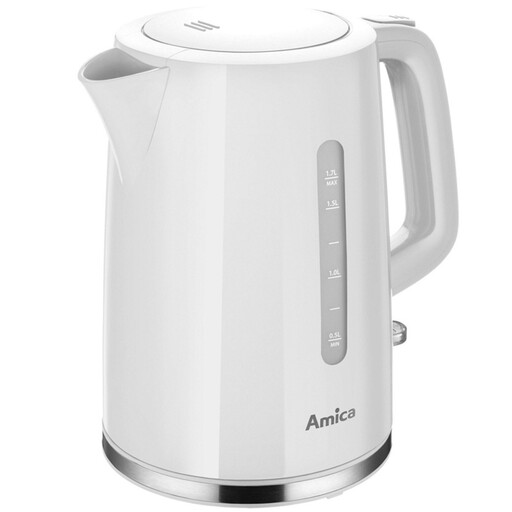
Why This Fits Their Persona: Ideal for students or single-person households looking for a reliable and affordable appliance without unnecessary frills. It does what it's supposed to do: boil water quickly.
This model doesn't focus on flashy design, but on functionality. According to the manufacturer, it's equipped with a Strix controller, a component known for its durability and safety, which reduces the risk of premature failure.
1.7-litre capacity: Large enough for multiple cups of tea or filling a pot. Clear water indicator: Prevents you from boiling too much water and wasting energy.
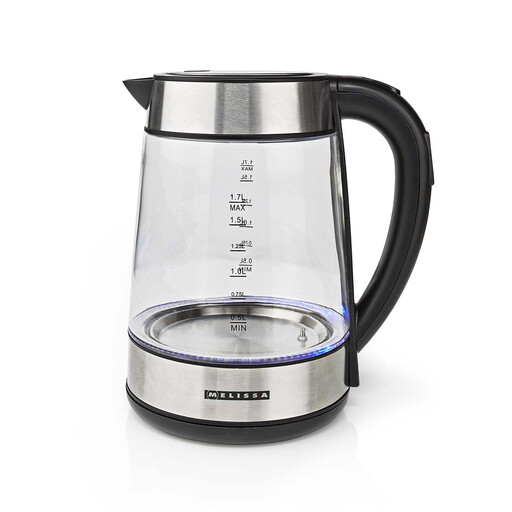
Why This Fits Their Persona: For those who take their tea seriously. The different temperature settings ensure that every type of tea, from delicate white tea to robust oolong, is prepared correctly for optimal flavor.
This isn't a "smart" kettle with a superfluous app. The functionality is direct and practical: you select the desired temperature with buttons on the appliance itself. You're paying for a useful feature, not a gimmick.
Five temperature settings (50-100°C): Precise control for various beverages. Keep-warm function: Keeps the water at the set temperature for 30 minutes, which is handy if you get distracted.
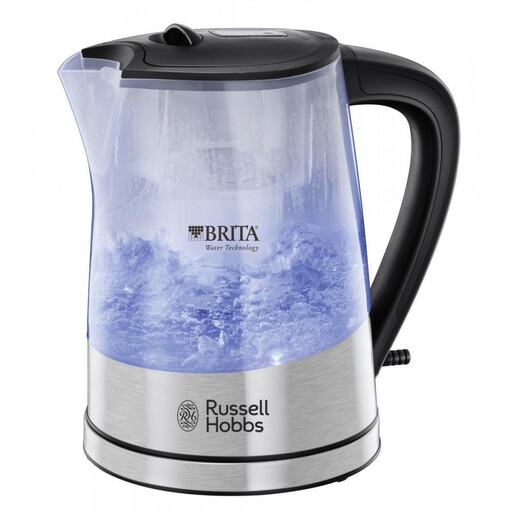
Why This Fits Their Persona: Combines a sleek, transparent design with the functionality of water filtration. Perfect for those who value both kitchen aesthetics and the purity of their water for tea or coffee.
This model proves that design and function can go hand in hand. Instead of a fragile construction, it offers a combination of a glass jug with a practical, built-in filter system that extends the appliance's lifespan by reducing limescale buildup.
Built-in BRITA water filter: Reduces limescale and chlorine for a better taste, according to the manufacturer. Blue illumination: Provides a visual cue when the water is boiling and adds a modern touch to the kitchen.
A good water filter not only improves the taste of your drinks but also extends the life of your kettle. Check out suitable filters for various systems here.
The frequency depends on the water hardness in your area and how often you use the kettle. A good rule of thumb is to do it once every one to three months. As soon as you see a white deposit on the bottom or the heating element, it's time to descale. You can use special descaling tablets or a mixture of water and white vinegar for this.
If you mainly boil water for black tea or to fill a pot, a basic model without temperature control is sufficient. For enthusiasts of different types of tea (green, white, oolong) or specialty coffee, it is definitely worth the investment. The correct temperature prevents a bitter taste and brings out the best aroma from the leaves.
Energy consumption is determined by the power (wattage) and the boiling time. A kettle with a high wattage (e.g., 3000W) boils faster but consumes more power at that moment than a model with a lower wattage (e.g., 2200W). The most efficient way to save energy is to not boil more water than you need. A clear water level indicator helps with this.
