
Vandaag of morgen in huis

Kwaliteit gegarandeerd

Welkomstaanbiedingen ontgrendelen: GRATIS bezorging | Tot 80% korting | Gratis 30 dagen JoyPlus-proefperiode
Download de app
A tickle in your throat that just won't go away, dry skin despite all the creams, or a restless night's sleep. The cause is often simpler than you think: air that's too dry in your home. Especially in well-insulated modern homes with the heating on, humidity levels can drop significantly. A humidifier seems like the logical solution, but the market is flooded with models that promise more than they deliver.
Before you make a purchase, it's important to recognise the common pitfalls. Many devices end up as unused dust collectors due to design flaws that only become apparent after a few weeks.
By paying attention to a few key specifications, you can avoid wasting money on a device that doesn't suit your needs.
Marketing terms can be confusing. Instead, focus on the technical specifications that truly matter. These determine performance, ease of use, and hygiene.
You will mainly encounter two technologies:
Pay attention to two numbers: the humidification capacity and the tank size.
A humidifier that isn't cleaned properly can actually worsen air quality. Pay attention to:
Based on these criteria, we have selected several popular choices that fit different needs and situations.
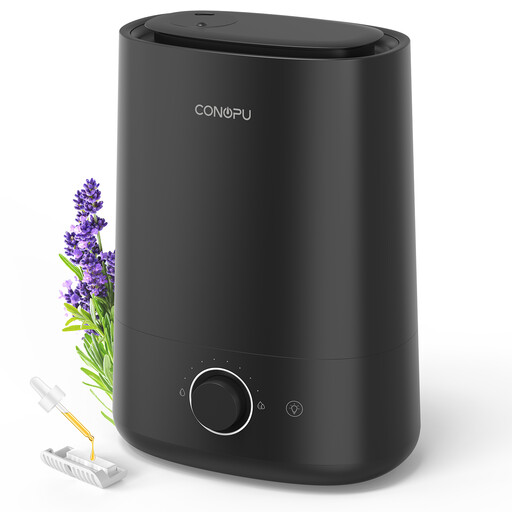
Why This Fits Their Persona: Ideal for those who seek tranquillity. This model is designed for the bedroom or nursery, where silence is essential. The combination of a low noise level and a long runtime ensures an undisturbed night's sleep.
The 28 dB noise level is a constant, soft hum without disruptive gurgling. The top-fill design makes refilling and cleaning simple, avoiding the 'hidden cleaning chore'.
The large 5L tank provides a runtime of up to 50 hours, so you don't have to refill it every day. The auto-shutoff feature when the tank is empty provides extra safety.
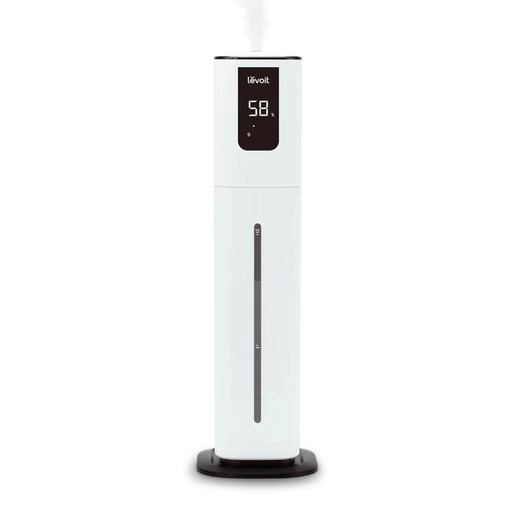
Why This Fits Their Persona: Perfect for large living rooms, open-plan areas, or plant enthusiasts with an extensive collection. This model is built for maximum capacity and reach, without constant refilling.
This model tackles the 'overstated capacity' pitfall with a realistic coverage of up to 55 m? and a massive 10-litre tank. The specifications are tailored for actual use in a large space.
The runtime of up to 100 hours is exceptional. Additionally, smart control via the VeSync app and voice assistants (Alexa/Google) offers complete control over humidity levels.
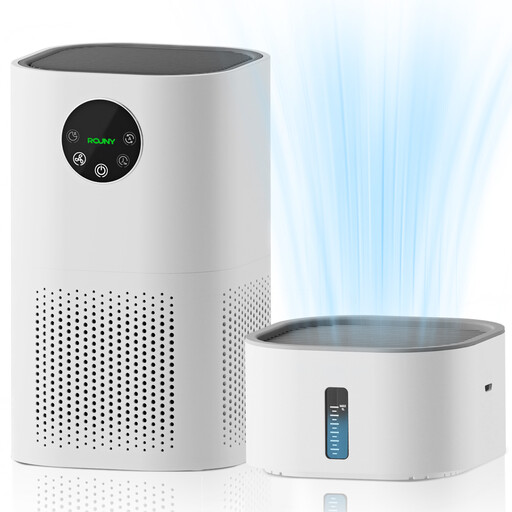
Why This Fits Their Persona: For those who want to improve not just humidity, but also air quality. This device combines two functions in one, saving space and money. Ideal for people with allergies or pets.
Many 2-in-1 devices perform poorly on both fronts. This model stands out with a H13 True HEPA-filter, a serious specification for air purification that can filter up to 99.97% of particles.
This is a humidifier and air purifier in one. The built-in sensor with a colour indicator provides instant insight into air quality, while the quiet sleep mode (≤25dB) allows for undisturbed use at night.
We have compiled a complete, up-to-date list of products that fully meet these strict selection criteria and safety regulations.
Ideally, you should change the water daily and perform a thorough cleaning weekly. Use a solution of water and white vinegar to remove limescale and bacteria. Always empty and dry the unit if you won't be using it for an extended period. Follow the manufacturer's specific instructions for the best results.
You can, but it's not always recommended. Especially with an ultrasonic humidifier, tap water can cause a white, powdery residue (limescale) on furniture. Distilled or demineralised water prevents this. Evaporative humidifiers are less prone to this issue, as the minerals are captured in the filter.
A humidifier is primarily designed to increase the humidity in a room and has a larger water tank and capacity for that purpose. An aroma diffuser is mainly intended to disperse a scent using a small amount of water and essential oil. Many modern humidifiers offer a humidifier with aromatherapy function, usually via a separate tray or pad, so the oil does not damage the internal components of the device.
