
Vandaag of morgen in huis

Kwaliteit gegarandeerd

Welkomstaanbiedingen ontgrendelen: GRATIS bezorging | Tot 80% korting | Gratis 30 dagen JoyPlus-proefperiode
Download de app
Buying a fridge seems straightforward until you find that it won’t fit through the door, doesn’t have enough usable space or is noisier than you expected. Product titles can also be confusing: a “mini fridge” isn’t always suitable for your weekly shop, and a “fridge with freezer compartment” may have only a small section for short-term use.
When choosing, watch out for these three common pitfalls:
With the right checks, you can compare an under-counter fridge, compact fridge or spacious freestanding fridge using the details that really matter.
For a student room, studio flat or office, a small fridge for a student room is often enough. A capacity of around 40 to 90 litres gives you space for drinks, snacks and a few everyday essentials. Do check the freezer function, though. In some mini fridges, the small compartment is only intended to keep frozen food cold for a short time.
An under-counter fridge of around 100 to 130 litres will usually fit under or beside a worktop. This size works well for one person, a small household, an office or a holiday home. A fridge with a freezer compartment offers extra flexibility, but check the volume and freezing capacity separately.
For families or anyone who does a larger weekly shop, a large freestanding fridge or fridge freezer makes more sense. Models from 260 to over 400 litres offer more fridge and freezer space, but also need more floor space and a suitable route for delivery.
Measure not only the alcove or space available, but also:
A fridge with a reversible door gives you more flexibility when deciding where to place it. Check that the door can be reversed according to the instructions and that you have enough room to do so. A door that hits a wall or cupboard can make everyday use awkward.
Place the fridge on a level surface, away from radiators, ovens and direct sunlight. Keep the ventilation openings clear. The exact clearance required varies by model, so follow the manufacturer’s installation instructions.
The total capacity doesn’t tell you everything. Check how the space is divided between the fridge, freezer, door shelves and salad crisper. Adjustable glass shelves are handy if you want to store tall bottles or large dishes.
For an office, a compact fridge with a large door shelf may be enough. For a household, a separate salad crisper, several shelves and a usable freezer compartment are more important. So a fridge for an office doesn’t necessarily need the same layout as one for a family.
The European energy label runs from A to G. Always compare both the energy rating and the stated annual consumption in kWh. A larger appliance might have a good rating, for example, but still use more electricity than a small fridge because of its size.
The noise level is given in dB. A figure of around 37 to 41 dB is worth considering for an open-plan kitchen, bedroom or home office. How loud it seems can vary depending on the surface it stands on, its surroundings and when the compressor is running.
A fridge with No Frost uses air circulation to reduce ice build-up. Check the product details to see whether No Frost applies to the whole appliance or just the freezer compartment. Low Frost or automatic defrosting reduces maintenance, but doesn’t always mean you’ll never need to defrost it manually.
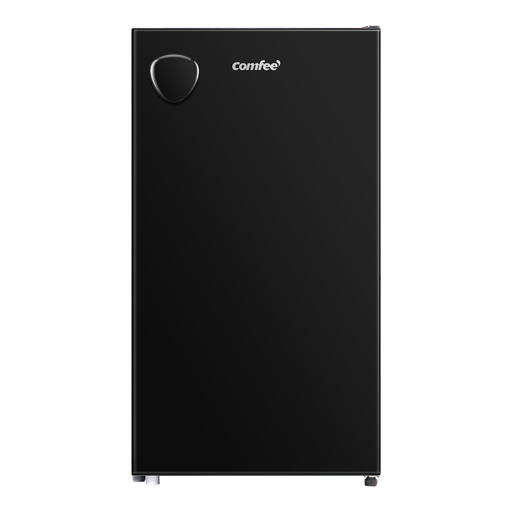
Why it suits this profile: At 44.5 × 47 × 82.7 cm, this compact model is suitable for a studio flat, bedroom, office or small kitchen. The product details state a capacity of 88 litres and an E energy rating.
The dimensions and net capacity are clearly stated. The reversible door means you’re not restricted to one opening direction when deciding where to place it.
88-litre capacity, adjustable glass shelves, salad crisper, interior light and reversible door.
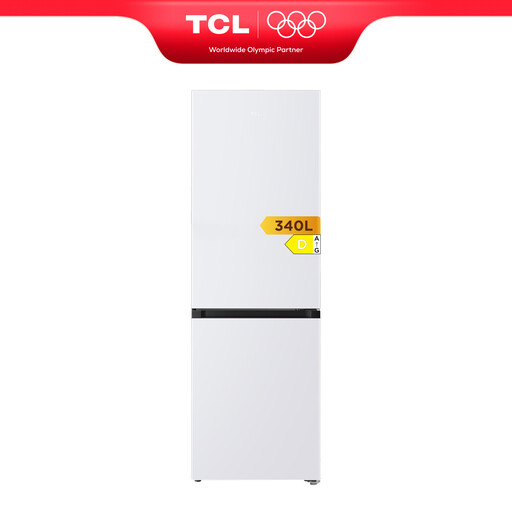
Why it suits this profile: With 223 litres of fridge space and 117 litres of freezer space, this model is designed for households that want room to store a larger shop.
The fridge and freezer capacities are listed separately. According to the product details, Total No Frost helps prevent ice build-up, so you don’t need to defrost it manually.
340 litres in total, electronic controls, flexible door shelf and Total No Frost according to the product description.
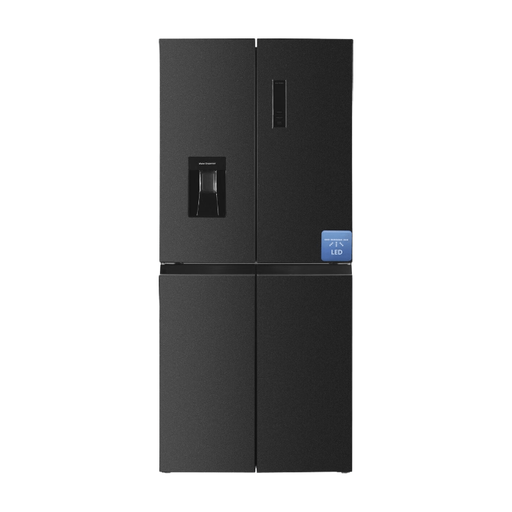
Why it suits this profile: With 269 litres of fridge space and 150 litres of freezer space, this model is suitable for larger households, storing supplies or heavy use.
The spacious compartments make it clear how much room is available for chilled and frozen food. Before buying, check the 180 cm height and the dimensions for delivery.
419 litres in total, Total No Frost according to the product details, digital temperature control and a water dispenser.
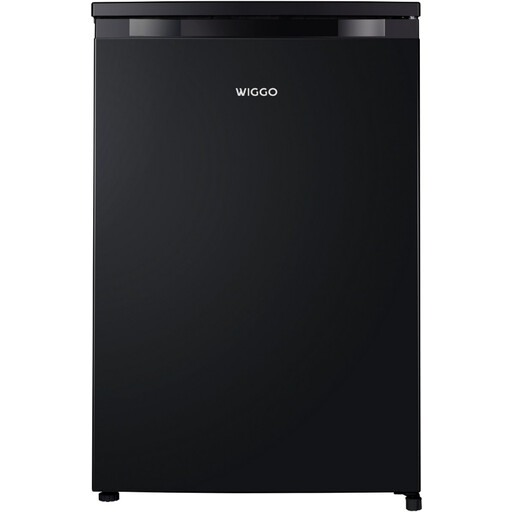
Why it suits this profile: This under-counter model offers more space than a mini fridge without taking up as much room as a large fridge freezer.
The product details state a capacity of 126 litres, a noise level of 39 dB and a reversible door. That means you can quickly compare some of the key details.
126 litres of fridge space, two shelves, salad crisper, LED lighting and mechanical temperature control.
We’ve put together a complete, up-to-date list of products that meet these strict selection criteria and the applicable European safety regulations.
For one person, 40 to 90 litres may be enough, depending on how often you shop. A small household often needs around 100 to 150 litres. Families usually need more space, especially if they also want a freezer compartment or separate freezer drawers. Look at the layout as well as the capacity in litres.
Make sure there’s enough ventilation around the appliance and don’t block any ventilation openings. The required clearance varies by model, so check the installation manual. Also measure the doorway and take the direction the door opens into account.
That depends on the annual consumption in kWh, the price of electricity, the room temperature and how you use it. For an estimate, multiply the stated annual consumption by your current electricity tariff. When buying a fridge, always compare both the energy rating and the kWh consumption.
