
Vandaag of morgen in huis

Kwaliteit gegarandeerd

Welkomstaanbiedingen ontgrendelen: GRATIS bezorging | Tot 80% korting | Gratis 30 dagen JoyPlus-proefperiode
Download de app
Buying a fridge seems simple until you realise how many models look alike. A low price, for example, might come with limited usable capacity, a high noise level or manual defrosting. And the dimensions on paper don’t always account for the route through your home, the alcove or the doorway.
The most common pitfalls are:
Don’t just measure the available width. Check the height, depth, ventilation clearance and route to the kitchen too. A fridge needs space around it to dissipate heat. Also consider the balance between fridge and freezer space.
Pay attention to the difference between total capacity and the separate fridge and freezer capacities. A 260-litre model, for example, might offer 187 litres of fridge space and 73 litres of freezer space.
The European energy label shows the energy rating and annual consumption. Compare the kWh per year figures, especially for models with a similar capacity. A lower purchase price may be less appealing if annual consumption is significantly higher.
The noise level is given in dB(A). For an open-plan kitchen, bedroom or home office, a model at around 35 to 39 dB may be more comfortable than an appliance rated at 40 dB or above. The noise class on the energy label provides extra context, but the specific decibel rating is still important.
A small freezer compartment is enough for ice, bread or a few frozen meals, but not for a large household. Check the freezing capacity in kilograms per 24 hours if you regularly freeze fresh food.
No Frost refers to a system that, according to the product description, limits or prevents ice build-up in the freezer compartment. Check whether this applies to all compartments. If the fridge requires manual defrosting, you’ll need to remove the ice yourself from time to time.
A fridge with a reversible door can be useful in a small kitchen. Check whether you’re allowed to switch the door hinges yourself and how much space the open door takes up.

Why it suits this type of buyer: This model combines 95 litres of fridge space with a 14-litre freezer compartment. At 85 cm high, it fits under or alongside many worktops.
The fridge and freezer capacities are listed separately. The annual consumption of 89 kWh and noise level of 37 dB are also specified.
C energy rating, reversible door, glass shelves and a separate salad drawer.
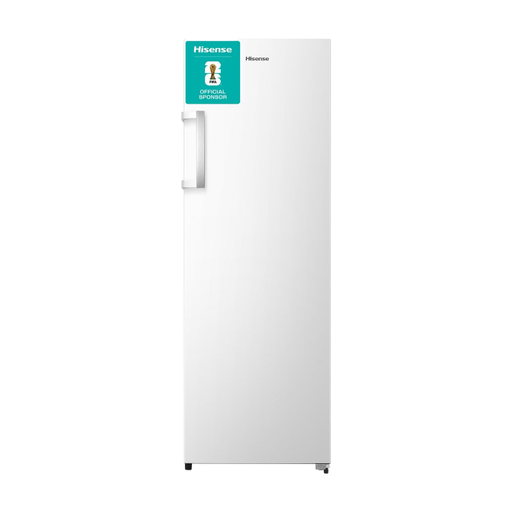
Why it suits this type of buyer: With five shelves and two salad drawers, its spacious layout is designed for households that store plenty of fresh food.
The external dimensions of 172 × 59.5 × 60 cm, annual consumption of 87 kWh and noise level of 35 dB are all clearly listed.
C energy rating, digital temperature control, 322 litres of capacity and a noise level of 35 dB, according to the product information.
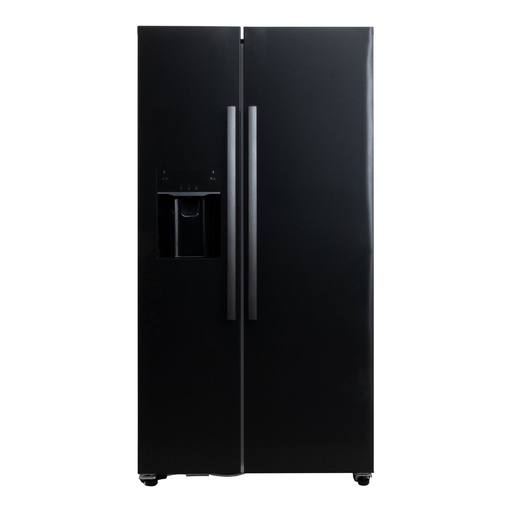
Why it suits this type of buyer: Its 513-litre capacity, No Frost system and water and ice dispenser are designed for large households and frequent use.
The product information clearly states that the dispenser needs a fixed water connection. The dimensions are 177 × 90 × 66 cm.
513 litres in total, No Frost, digital controls and a freezing capacity of 12 kg per 24 hours.

Why it suits this type of buyer: At 47.4 cm wide, this model is designed for small kitchens, offices, hotel rooms or use as a second fridge.
The dimensions, lack of freezer space and annual consumption of 85 kWh can all be checked in advance. The door is reversible.
Chill drawer, adjustable glass shelves, seven temperature settings and a noise level of 39 dB according to the product specifications.
We’ve put together a complete, up-to-date list of products that meet these strict selection criteria and current European safety regulations.
It depends on the size of your household and your shopping habits. For one person or as extra fridge space, 80 to 120 litres may be enough. Families usually benefit more from a fridge freezer with separate compartments. Don’t just compare capacities in litres; also look at the number of shelves, drawers and door compartments.
Check the kWh per year figure on the energy label and multiply it by your current electricity tariff. For example, a model using 90 kWh per year consumes less than a similar model using 230 kWh per year, but the final cost depends on your tariff and contract.
Lifespan varies depending on the model, how it’s used and how well it’s maintained. Make sure the appliance is level, keep the ventilation openings clear, and clean the door seals and condenser according to the instructions. When buying, check the statutory guarantee and any additional manufacturer’s warranty. Always refer to the official warranty terms when looking at brand claims; a longer compressor warranty doesn’t automatically mean that all parts are covered for the same length of time.
