
Vandaag of morgen in huis

Kwaliteit gegarandeerd

Welkomstaanbiedingen ontgrendelen: GRATIS bezorging | Tot 80% korting | Gratis 30 dagen JoyPlus-proefperiode
Download de app
Buying a new fridge seems simple. You measure the alcove, pick a colour, and you're done. But in reality, it's easy to get lost in marketing jargon, unclear specifications, and models that over-promise and under-deliver. Before you know it, you're stuck with an appliance that consumes too much power, makes an irritating noise, or has a completely impractical layout.
As a Joybuy Product Recommendation Officer, I see the common issues consumers face every day. Two frequent pitfalls when buying a fridge are:
This guide will help you sidestep these pitfalls and choose a fridge that truly suits your needs.
Before you choose a model, there are a few specifications you cannot ignore. These determine the ease of use, long-term costs, and your home comfort.
Since 2021, the energy label for fridges has been updated, running from A (most efficient) to G (least efficient). Today, a model with a C or D rating is considered a very energy-efficient fridge. So, don't be deterred if you don't see an A-label. A more efficient model is often more expensive to buy, but it pays for itself through a lower energy bill. Pay attention to the annual consumption in kWh on the label; this gives the most concrete indication of the costs.
The noise level, expressed in decibels (dB), is crucial, especially in an open-plan kitchen. A difference of a few decibels may seem small, but it is clearly audible in practice.
The type of fridge depends on your household and space. A freestanding fridge offers flexibility. A fridge-freezer is popular with families, while a table-top fridge or mini fridge is sufficient for a student room or office. For those seeking ample freezer space and luxury, an American-style fridge is an option.
A commonly mentioned term is No Frost. This technology prevents ice build-up in the freezer compartment, meaning you'll never have to manually defrost again. A No Frost fridge not only saves time but also ensures a more consistent temperature and more efficient operation.
To help you choose, we've highlighted a few models that suit different needs and budgets.
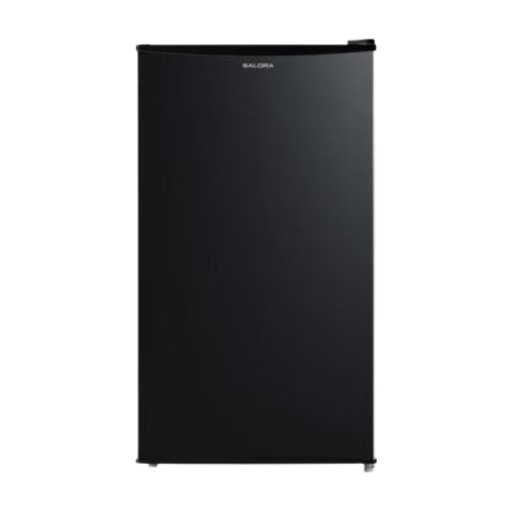
Why This Fits Their Persona: Ideal for those looking for a compact and affordable solution. This table-top model fits into any small kitchen, student room, or office, yet offers enough space for basic groceries, including a small freezer compartment.
You're not paying for unusable space (the capacity trap). The 68 litres of net fridge space and 12 litres of freezer space are practical and efficient for one or two people.
Compact footprint (47.2 cm wide) with a usable layout and a 4-star freezer compartment. The door is reversible for flexible placement.
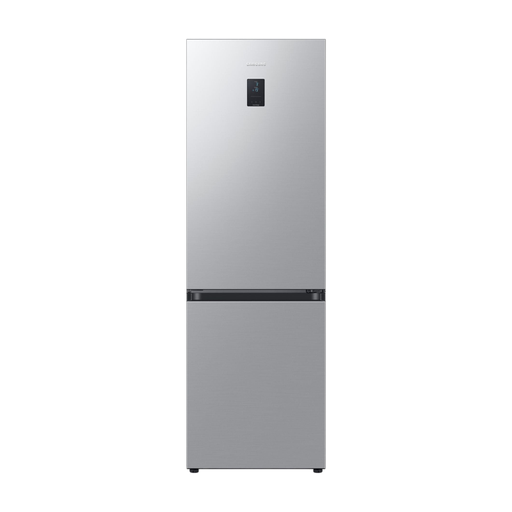
Why This Fits Their Persona: Spacious and flexible storage for the weekly shop, with modern technology that makes life easier. Perfect for a family living in a home with an open-plan kitchen.
At 35 dB, this is a truly quiet fridge, helping you avoid the noise trap. The No Frost technology saves you the tedious task of defrosting and keeps energy consumption stable.
Large capacity (344 litres) in a standard footprint thanks to Samsung's SpaceMax technology. The appliance can also be controlled via an app.
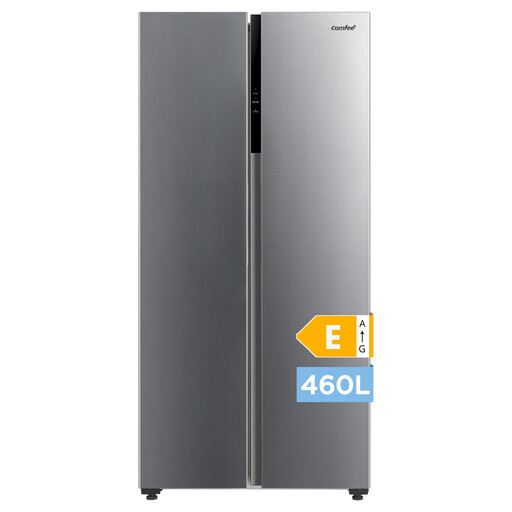
Why This Fits Their Persona: Enormous storage capacity for bulk shopping, parties, and large families who always want to have everything on hand. The side-by-side layout provides a clear overview of both the fridge and freezer sections.
This model offers a huge, well-organised net capacity of 460 litres. This helps you avoid the 'capacity trap' of smaller models with impractical layouts.
Very spacious capacity (271L fridge, 189L freezer), No Frost technology, and independent temperature control for the fridge and freezer sections.
We have compiled a complete, real-time list of products that fully satisfy these strict selection criteria and UK safety regulations.
A fridge is considered quiet at a noise level of 38 decibels (dB) or lower. This is comparable to a whisper or the sound in a library. Models around 35 dB are virtually silent and ideal for open-plan kitchens or studios.
No Frost completely prevents ice build-up by continuously circulating cold, dry air. You never need to defrost the freezer compartment. Low Frost significantly reduces ice formation, but you will still need to manually defrost the freezer compartment occasionally (about once a year).
This depends on the energy class and size. A modern, energy-efficient fridge-freezer with energy class C consumes about 140-170 kWh per year. A model with class E consumes around 220-250 kWh. The energy label always states the specific annual consumption of the model, which gives a good indication of the yearly costs.
