
Vandaag of morgen in huis

Kwaliteit gegarandeerd

Welkomstaanbiedingen ontgrendelen: GRATIS bezorging | Tot 80% korting | Gratis 30 dagen JoyPlus-proefperiode
Download de app
Choosing a new fridge-freezer seems simple—until you dive into the specifications. Manufacturers use terms that confuse more than they clarify, making it easy to pick a model that doesn't suit your needs. As a Joybuy Product Recommendation Officer, I'm here to help you cut through the marketing jargon. We'll focus on the facts so you can make a purchase you'll be happy with for years to come.
Before we look at specific models, let's discuss three common pitfalls that many people fall into:
To make the right choice, we'll focus on three objective criteria. These specifications directly impact your daily convenience, your energy bill, and the peace and quiet in your home.
Since 2021, the energy label has been updated and now runs from A (most efficient) to G (least efficient). Don't just focus on the letter. The annual energy consumption in kilowatt-hours (kWh) is the most important indicator of your running costs. An energy-efficient fridge with a C rating can save you a significant amount of money annually compared to a model with an E or F rating. This is a saving you'll see directly on your energy bill.
The noise level is crucial, especially in an open-plan living space. A quiet fridge produces less than 38 dB. Models around 35 dB are whisper-quiet and barely audible. The energy label also displays a noise class (A to D), which gives a quick indication of how quiet the appliance is compared to other models.
A No Frost fridge-freezer is the standard for modern convenience. A fan circulates cold, dry air, preventing ice from forming in the freezer compartment. This means you never have to manually defrost again. Not only is this convenient, but it also ensures a more consistent temperature and more efficient operation. 'Low Frost' systems still require defrosting once or twice a year.
Based on these objective criteria, we have selected a few models that suit different types of households.
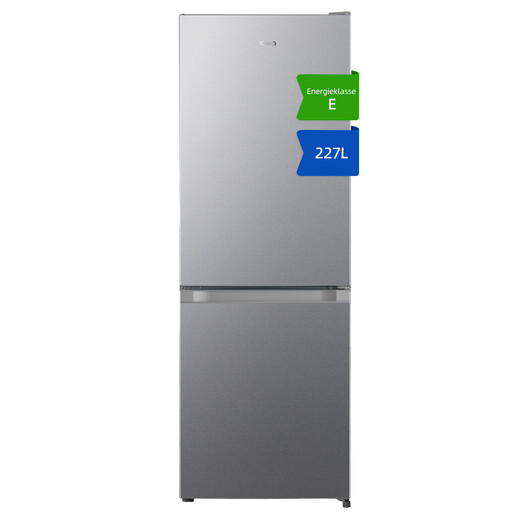
Why This Fits Their Persona: Ideal for those seeking a practical and well-priced solution for a smaller kitchen. This slimline fridge-freezer, at 54 cm wide, fits into niches where standard models are too large.
The 227-litre capacity is practical for one or two-person households. The model is transparent about its Low Frost system, so you know that periodic defrosting is required, without any false promises.
Compact dimensions and a reversible door offer maximum placement flexibility. The adjustable shelves make it possible to efficiently organise the relatively small space.

Why This Fits Their Persona: With a total capacity of 330 litres, this model offers ample space for a family's weekly groceries. The combination of space, convenience, and a low noise level makes it a solid choice for a bustling household.
This model features a true No Frost system, delivering on the promise of 'never defrost again'. The noise level of 35 dB is objectively very quiet, ensuring it won't be a disturbance in an open-plan kitchen.
A generous 330-litre capacity combined with whisper-quiet operation. The electronic temperature control ensures stable and efficient cooling.
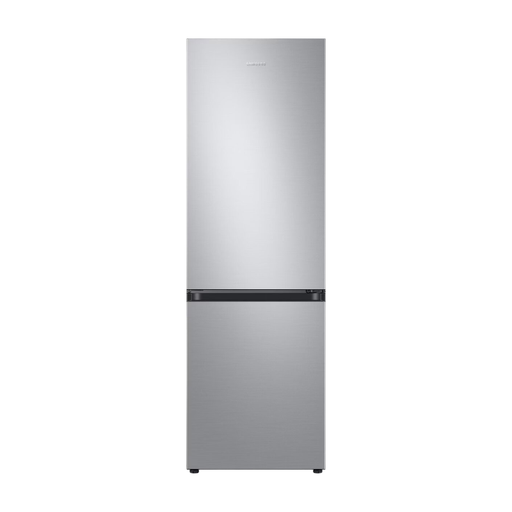
Why This Fits Their Persona: This Samsung fridge combines a sleek silver finish with excellent performance. It's perfect for those who value both aesthetics and a low energy bill, with the added bonus of smart technology.
The C energy rating and a consumption of just 163 kWh/year are objectively very efficient. Its smart features are practical: according to Samsung, the AI Power Mode helps reduce energy consumption by up to 15%, which is more than just a gimmick.
Exceptionally energy-efficient and quiet (35 dB). The SpaceMax technology provides more interior space without increasing the external dimensions. Features full No Frost and connectivity via SmartThings.
Buying a fridge is an important decision. We've curated a complete list of models that meet our strict selection criteria and the practical demands of modern households.
A model with a noise level of 38 dB or lower is generally considered quiet. Appliances that produce around 35 dB are virtually inaudible and an excellent choice for open-plan kitchens or studio apartments.
It's not an absolute necessity, but it offers significantly more convenience. You never have to manually defrost the freezer compartment, which saves time and effort. Moreover, the absence of ice ensures a more stable temperature and more efficient operation, which in turn benefits your energy bill.
A good rule of thumb for the required capacity is:
An American-style fridge often provides 400 litres or more and is especially suitable for large families who need a lot of freezer and cooling space. However, don't just look at the litre capacity; also consider the flexibility of the layout.
