
Vandaag of morgen in huis

Kwaliteit gegarandeerd

Welkomstaanbiedingen ontgrendelen: GRATIS bezorging | Tot 80% korting | Gratis 30 dagen JoyPlus-proefperiode
Download de app
Choosing a new fridge seems like a simple task, until you dive into the specifications. You're faced with a maze of energy labels, decibels, and technical jargon. Many marketing promises sound appealing but, in practice, lead to a purchase you'll regret. As a Joybuy Product Recommendation Officer, I'll help you make the right choices based on facts, not hype. Let's look at the most common pitfalls.
Pitfall 1: Getting lost in the energy label maze The energy label was updated in 2021. An old A+++ label is no longer comparable to the current A to G scale. Many consumers mistakenly think that a model with a D or E label isn't efficient, when in fact, under the new, stricter standards, it can be a very efficient choice.
Pitfall 2: The "quiet" fridge that keeps you up at night Manufacturers love to advertise a quiet fridge, but what does that really mean? The difference between 37 dB and 41 dB may seem small, but in an open-plan kitchen or studio apartment, it can be the difference between peace and constant irritation. The noise level is a specification that is often overlooked, leading to regret.
Pitfall 3: Paying for features you don't need A No Frost fridge sounds like a dream: never defrosting again. But is it always necessary? Sometimes, a model with Low Frost is sufficient, which can save you a significant amount of money. It's important to know which technology suits your needs so you don't pay for unnecessary luxuries.
To avoid a bad purchase, focus on the specifications that truly matter. These are the three most important points to check before you make a decision.
Current energy labels range from A (most efficient) to G (least efficient). Today, an energy-efficient fridge is a model with a C or D label. These consume significantly less power than older models, which you'll see directly on your energy bill. So don't be deterred by a D label; it's often an excellent, efficient choice.
The noise level of a fridge is expressed in decibels (dB). For an open-plan kitchen or a small home, a quiet fridge is essential.
The capacity of a fridge is measured in litres. A fridge that's too large consumes unnecessary energy, while one that's too small causes frustration.
In terms of style, a black fridge is a popular choice for a modern look, but functionality remains the most important factor.
Based on objective specifications, we have selected a number of models that suit different households.
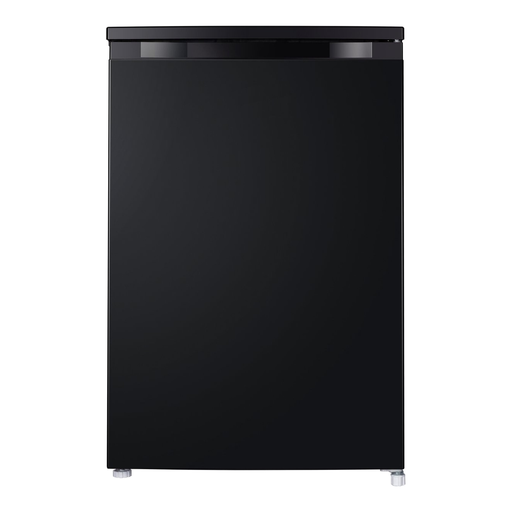
Why This Fits Their Persona: Perfect for a student room or first apartment. This compact tabletop model fits anywhere and, with 107 litres (including a 13-litre freezer compartment), offers enough space for one or two people's groceries. The black finish provides a modern look.
At 37 dB, this is a very quiet fridge, so you won't be bothered by noise in a small studio. The C energy label is excellent for a tabletop model and keeps the energy bill low.
Combines a compact size with a very efficient energy label and a low noise level. The separate freezer compartment is a practical addition.
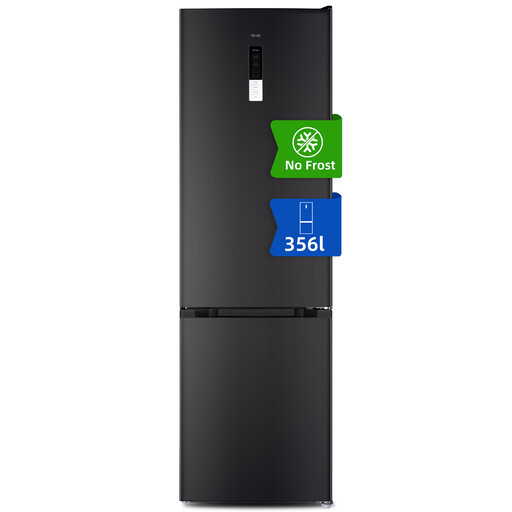
Why This Fits Their Persona: With 356 litres, this fridge-freezer offers plenty of space for a family's weekly groceries. The Total No Frost technology prevents ice build-up in the freezer, saving a lot of time and effort.
At 35 dB, this model is exceptionally quiet, perfect for an open-plan kitchen where the family gathers. The D-label is a solid, energy-efficient choice for a fridge of this size, and the Total No Frost feature is a real asset, not an unnecessary luxury.
The combination of a very low noise level, large capacity, and Total No Frost technology makes this a highly practical choice for families.
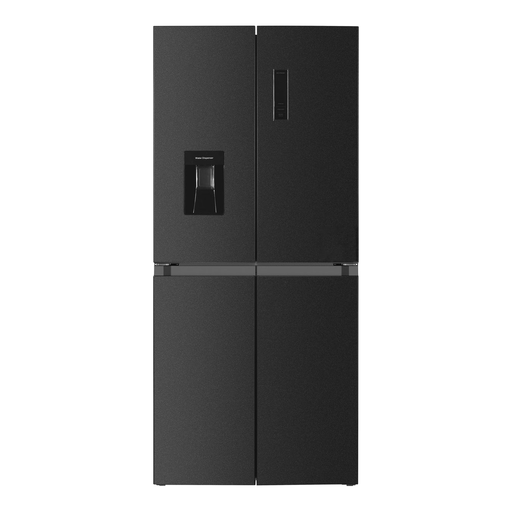
Why This Fits Their Persona: For those seeking maximum space and luxury. This four-door American-style fridge with a 419-litre capacity is a statement piece in the kitchen. The water dispenser provides instantly chilled water without needing a water line connection.
Large fridges are known for being energy hogs, but this model proves otherwise with a C energy label. The Total No-Frost technology is a must-have for this size, not an unnecessary luxury, and prevents the hard work of defrosting.
Enormous capacity, a refillable water dispenser for extra convenience, and a highly efficient energy label for its class.
We have compiled a complete, up-to-date list of products that fully meet these strict selection criteria and local regulations.
No Frost completely prevents ice formation by circulating cold, dry air through the freezer section. This means you never have to defrost it manually. Low Frost significantly reduces ice build-up (by up to 80%), but you will still need to defrost the freezer about once a year. Low Frost models are often slightly more energy-efficient and quieter.
A good rule of thumb is:
Yes. With the introduction of the new, stricter energy labels in 2021, the requirements have been significantly tightened. A fridge that previously had an A+++ label might now have a C, D, or even E label. Therefore, a model with a D label is an energy-efficient choice compared to older appliances and most models on the market.
