
Vandaag of morgen in huis

Kwaliteit gegarandeerd

Welkomstaanbiedingen ontgrendelen: GRATIS bezorging | Tot 80% korting | Gratis 30 dagen JoyPlus-proefperiode
Download de app
Choosing a new freezer seems simple—until you dive into the specifications. You're bombarded with marketing terms, making it difficult to determine what really matters. Many people fall into two common traps: they fixate on a low purchase price and ignore the energy costs, or they pay extra for a "No Frost" feature that isn't always worth it. As a Product Recommendation Officer at Joybuy, I'm here to help you avoid these mistakes and choose a freezer that perfectly suits your needs.
Before you choose a model, there are a few fundamental principles you should know. These determine not only the ease of use but also your long-term costs.
The first question is what type of freezer you need. This depends on your household and the space you have available.
Rule of thumb for capacity:
Since 2021, freezers have a new energy label ranging from A (very efficient) to G (very inefficient). A model with an old A+++ label might now have a C or D rating. Don't be deterred by this; an efficient freezer with a C label is an excellent choice today.
The purchase price is one thing, but the running costs are just as important. A cheap freezer with an E or F label can cost you hundreds of euros more in electricity over its 15-year lifespan than a slightly more expensive but more efficient model. Always check the annual energy consumption in kWh on the label to make a realistic estimate.
A no frost freezer prevents ice build-up, meaning you never have to defrost the appliance manually. This is convenient, but there are some trade-offs. The technology uses a fan to circulate cold, dry air, which can consume slightly more energy and produce more noise than a model without this feature.
Models without No Frost (static freezers) need to be defrosted about twice a year. If you don't, ice will build up, causing energy consumption to increase significantly. There are also variants like "Low Frost," which reduce ice formation but don't prevent it completely.
Below are a few models that score well on key specifications, matched to different user profiles.
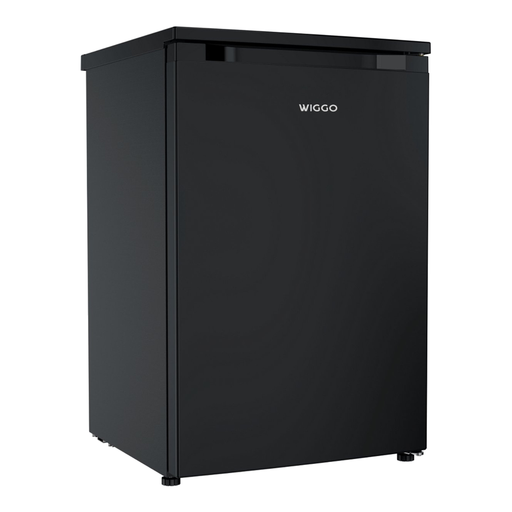
Why This Fits Their Persona: Ideal for those living in a compact space or needing extra freezer capacity without paying a premium. With 85 litres and three compartments, this tabletop model offers enough room for the weekly groceries of one or two people.
This model bypasses the pitfall of high running costs. It has a C energy label, which is very efficient for a compact freezer and keeps the electricity bill low.
Low annual energy consumption (105 kWh) and a reversible door for flexible placement. At 39 dB, it is relatively quiet.
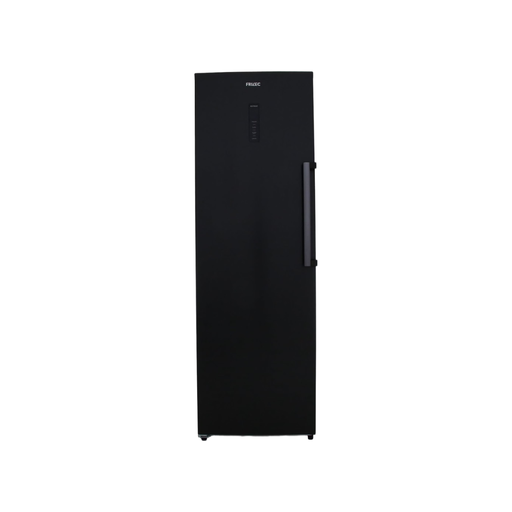
Why This Fits Their Persona: Families need space and convenience. With 274 litres of capacity and an organised layout, there's room for everything. The No Frost technology means you'll never waste time defrosting again.
This model offers a full-fledged No Frost feature, allowing you to completely avoid the downsides of ice build-up (higher energy use, less space). No vague promises, just real convenience.
Very spacious capacity, a good C energy label, and a digital display for precise temperature control. The freezing capacity is very high at 17 kg/24h.
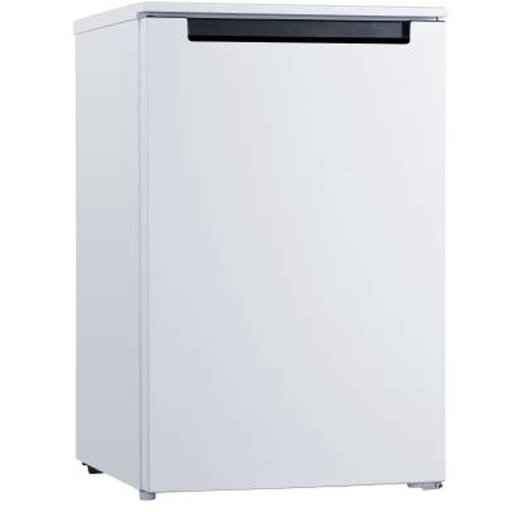
Why This Fits Their Persona: For those who count every euro on their energy bill. This model focuses on maximum efficiency. It's also very quiet, making it ideal for an open-plan kitchen or studio apartment.
This model proves you don't have to sacrifice performance for a low energy bill. Its B energy label is exceptionally good and ensures minimal running costs.
Extremely low energy consumption (84 kWh/year) and a very low noise level of just 37 dB. A smart investment that pays for itself.
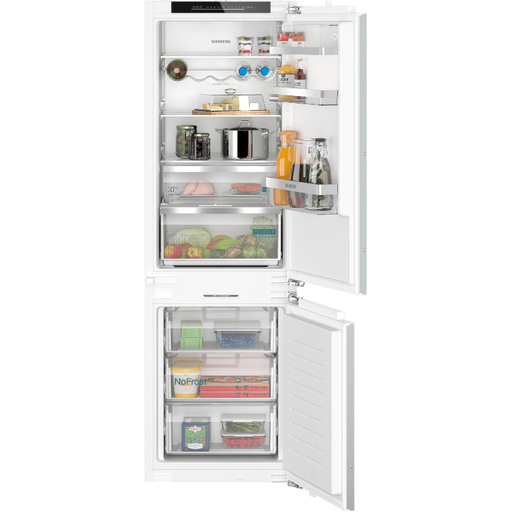
Why This Fits Their Persona: For those seeking a freezer that blends completely into their kitchen design. This integrated model combines an invisible placement with modern technology like NoFrost and a soft-close door.
You don't have to compromise on functionality for a sleek appearance. This model offers premium features in an integrated freezer, so you don't have to choose between style and convenience.
Fully integrable, NoFrost technology, and an extremely low noise level of 35 dB, making it inaudible in the kitchen.
We have compiled a complete, up-to-date list of products that fully meet these strict selection criteria.
A freezer with static cooling should ideally be defrosted twice a year, or as soon as the ice layer is about 5 millimetres thick. A thick layer of ice acts as an insulator, forcing the motor to work harder and significantly increasing energy consumption. Regular defrosting keeps your freezer running efficiently.
A freezer lasts for 10 to 15 years on average. The lifespan depends on the brand's quality, the intensity of use, and maintenance. A well-maintained, energy-efficient model from a reputable brand has the best chance of meeting or even exceeding this lifespan.
Always place a freezer in a dry, cool, and well-ventilated area. Avoid direct sunlight or a spot next to a heat source like an oven, radiator, or refrigerator. Also, check the appliance's climate class. This indicates the ambient temperature range in which the freezer functions optimally. This is especially important if you plan to place the freezer in an unheated shed or garage.
