
Vandaag of morgen in huis

Kwaliteit gegarandeerd

Welkomstaanbiedingen ontgrendelen: GRATIS bezorging | Tot 80% korting | Gratis 30 dagen JoyPlus-proefperiode
Download de app
Choosing a new desk seems simple—until you start looking online. The options are overwhelming, and marketing terms are thrown around constantly. Whether you're looking for a space for remote work, studying, or gaming, the goal is the same: a functional and durable workspace. Unfortunately, a few common pitfalls can lead to a disappointing purchase.
As a Joybuy Product Recommendation Officer, I see where things go wrong every day. These are the three most important things to watch out for to avoid buyer's remorse:
To make the right choice, it's helpful to look past the marketing and focus on the specifications that truly matter.
Before you fall in love with a design, measure your available space accurately. Consider not only the width and depth of the desk itself but also the room you'll need for your chair and to move around comfortably.
Think about how you will use the desk. This will determine which type is most suitable.
The material determines the durability and stability of your desk. A steel frame is almost always a solid foundation. For the tabletop, particleboard is a common and affordable material. However, its quality can vary.
A crucial specification is the maximum static load capacity. This indicates how much weight the desk can support. A simple computer desk might handle 50 kg, while a sturdier model can support 70 kg or more. This is especially important if you plan to place multiple heavy monitors, a computer tower, and other equipment on your desk.
To help you with your choice, we have highlighted a few products that suit different needs and situations.
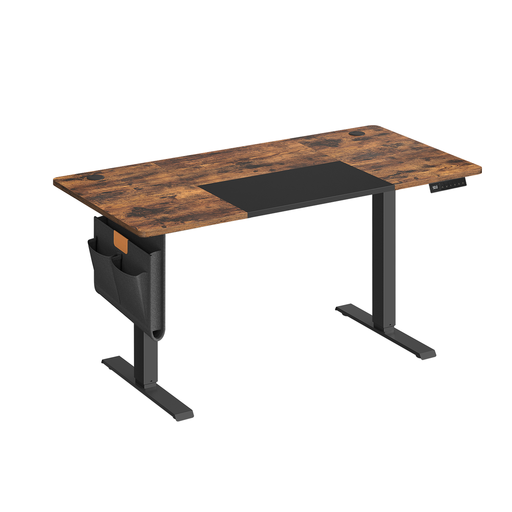
Why This Fits Their Persona: Ideal for those who spend long days at the computer. This sit-stand desk makes it easy to change posture, contributing to a more comfortable workday.
This desk focuses on functional ergonomics. The sturdy steel frame prevents instability, and the quiet motor and memory functions are practical extras rather than unnecessary gimmicks.
Electric height adjustment (71-120 cm) with 4 memory presets and a convenient USB-C port. The maximum load capacity is 70 kg.
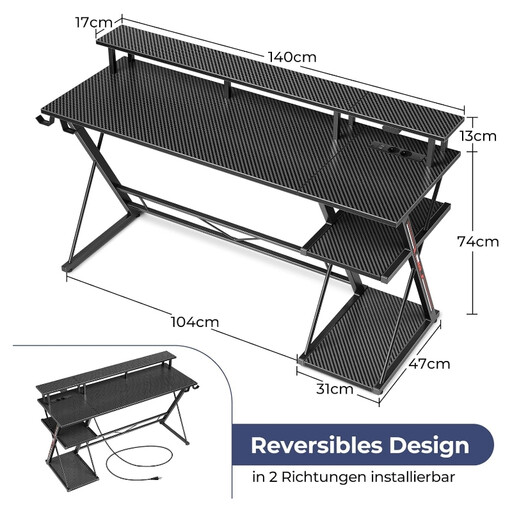
Why This Fits Their Persona: This gaming desk is designed as an all-in-one station. It offers space and features specifically aimed at an extensive gaming setup, including ambient lighting.
The extras here are functional. The built-in power outlets and USB ports are practical for charging devices. The robust metal frame provides the stability needed during gaming.
Built-in charging station (2 power outlets, 2 USB ports), app-controlled RGB lighting, and a monitor stand for a better viewing height.
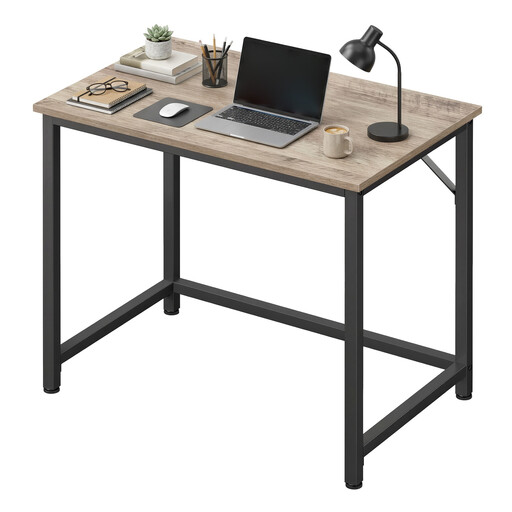
Why This Fits Their Persona: This compact and affordable desk is perfect for a student room or a small workspace. It provides a solid foundation without unnecessary frills.
This desk avoids the pitfall of overpaying for features you don't need. The focus is on a stable steel frame and adjustable feet for a wobble-free experience, even on an uneven floor.
Compact size (80x50 cm) that fits in almost any room. The load capacity is 50 kg, sufficient for a laptop and textbooks.
We have compiled a complete, up-to-date list of products that meet these selection criteria and comply with current safety regulations.
The standard height for a desk is typically between 70 and 80 cm. For good ergonomic posture, your elbows should form an angle of about 90 degrees when your arms are resting on the desk. A sit-stand desk offers the most flexibility here, as you can adjust the height precisely to your body and chair.
This varies greatly by model. A small desk or a simpler model often has a load capacity of around 50 kg. Sturdier desks, especially those with a robust steel frame, can support 70 kg or more. Always check the maximum static load capacity specification if you plan to place heavy equipment on it.
For people who spend many hours a day at their desk, such as with a home office desk, an electric desk can be a worthwhile investment. The ability to alternate between sitting and standing can significantly increase comfort. If you only use the desk occasionally, a standard computer desk will likely suffice. It depends on your personal needs and budget.
