
Vandaag of morgen in huis

Kwaliteit gegarandeerd

Welkomstaanbiedingen ontgrendelen: GRATIS bezorging | Tot 80% korting | Gratis 30 dagen JoyPlus-proefperiode
Download de app
Buying a new coat seems simple—until you get lost in a sea of marketing jargon and technical specifications. Many coats promise warmth and protection but fail after just one season. This is often due to a few common pitfalls: design flaws and exaggerated claims that buyers fall for. Before you invest in a new coat, it's helpful to know what to look for.
The most common problems are:
puffer jacket looks warm but sometimes offers less insulation than a thinner, technical coat. The thickness says nothing about the quality of the filling.To find a coat that's worth the money, it's best to focus on a few objective specifications. These determine the actual performance, regardless of the marketing.
For unpredictable climates, a good balance between waterproofing and breathability is crucial. A completely sealed jacket keeps rain out but also traps sweat, leaving you damp from the inside.
waterproof coat that can handle a serious shower, look for a value of at least 5,000 mm. For intensive use in heavy rain, such as with outdoor jackets, 10,000 mm or more is recommended.The filling determines how warm a coat is. The choice between down and synthetic depends on your use case.
men's winter coats and women's parkas.The lifespan of a coat depends on the quality of its construction. Pay attention to zippers (YKK is often a sign of quality), the durability of the outer fabric (ripstop weaves prevent tearing), and the finishing of the cuffs and hood. A comfortable zip-up hoodie for daily use has different requirements than protective motorcycle gear, where abrasion resistance and impact protection are paramount.
Based on functionality and target audience, we have selected a few coats that suit different needs.
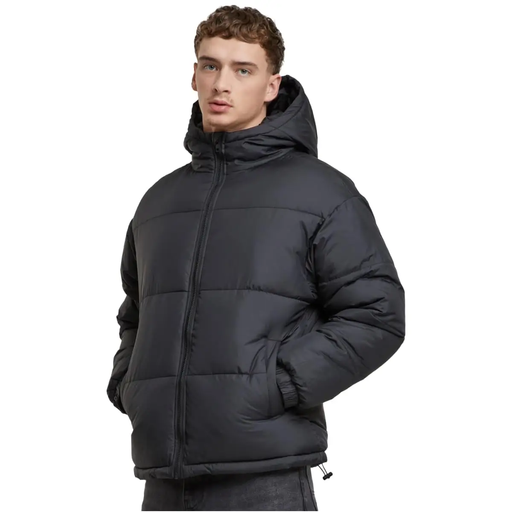
Why This Fits Their Persona: Perfect for those seeking a functional and fashionable coat for daily city use. This puffer jacket provides enough warmth for the average winter without compromising on style.
This coat sidesteps the "illusion of warmth." It doesn't pretend to be an extreme outdoor jacket. The polyester filling offers reliable, predictable warmth for urban use—exactly what you'd expect.
The combination of a sleek design and functional insulation makes it a versatile choice. The polyamide outer shell is durable for everyday wear.
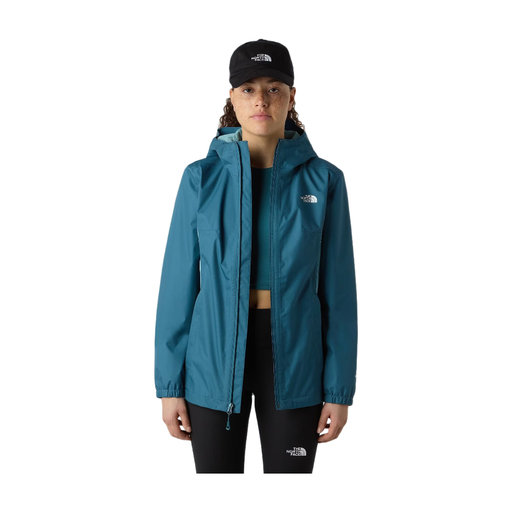
Why This Fits Their Persona: This women's The North Face jacket is designed for hikers and outdoor lovers who demand technical performance. Ideal for those seeking protection from wind and rain during active pursuits.
This jacket avoids the "waterproof lie" by using specific technology. According to the manufacturer, its DryVent technology provides guaranteed waterproof, windproof, and breathable performance.
The jacket is part of a zip-in compatible system, allowing you to combine it with other layers for extra warmth. This offers versatility for changing weather conditions.
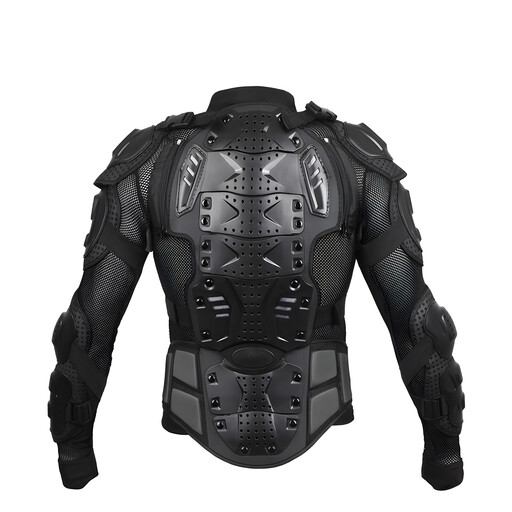
Why This Fits Their Persona: For motorcyclists and participants in other high-risk sports, protection isn't a luxury—it's a necessity. This jacket is pure, functional protective motorcycle gear.
This product doesn't fall into the trap of vague promises. Its value lies in its objective, visible protection: a PE outer shell, shock-absorbing EVA pads, and removable protectors for the back, shoulders, and elbows.
The multi-layer protection system is designed for impact absorption. The adjustable straps and flexible construction ensure a snug fit without restricting freedom of movement.
A good coat is an investment in comfort and protection. If the options above aren't exactly what you're looking for, check out our full range.
Look beyond the marketing term and search for two concrete specifications: the waterproof rating (expressed in mm) and whether the coat has taped seams. A waterproof rating of 5,000 mm is suitable for most rain showers, but for serious protection, 10,000 mm or more is better. Without taped seams, even the best fabric can still leak at the stitches.
The price difference is usually in the materials, insulation, and construction. More expensive coats often use advanced, patented fabrics (like GORE-TEX or DryVent) that are both highly waterproof and breathable. The insulation might be high-fill-power down or high-performance synthetic filling. Details like YKK zippers, reinforced panels, and a durable water-repellent (DWR) coating also contribute to the price and lifespan.
Always follow the care label. Use a special detergent for technical apparel and avoid fabric softener, as it can impair breathability. The water-repellent layer (DWR) on the outside wears off over time. You can often reactivate it by putting the coat in the dryer on a low temperature (if the label permits). If that no longer works, you can restore the layer with a special DWR spray.
